Specialist Tip
Argentina’s distances are vast, so plan domestic flights carefully or focus on two key regions, such as Buenos Aires and Patagonia, or Mendoza and the northwest around Salta.
Central and South America
Luxury holidays in Argentina
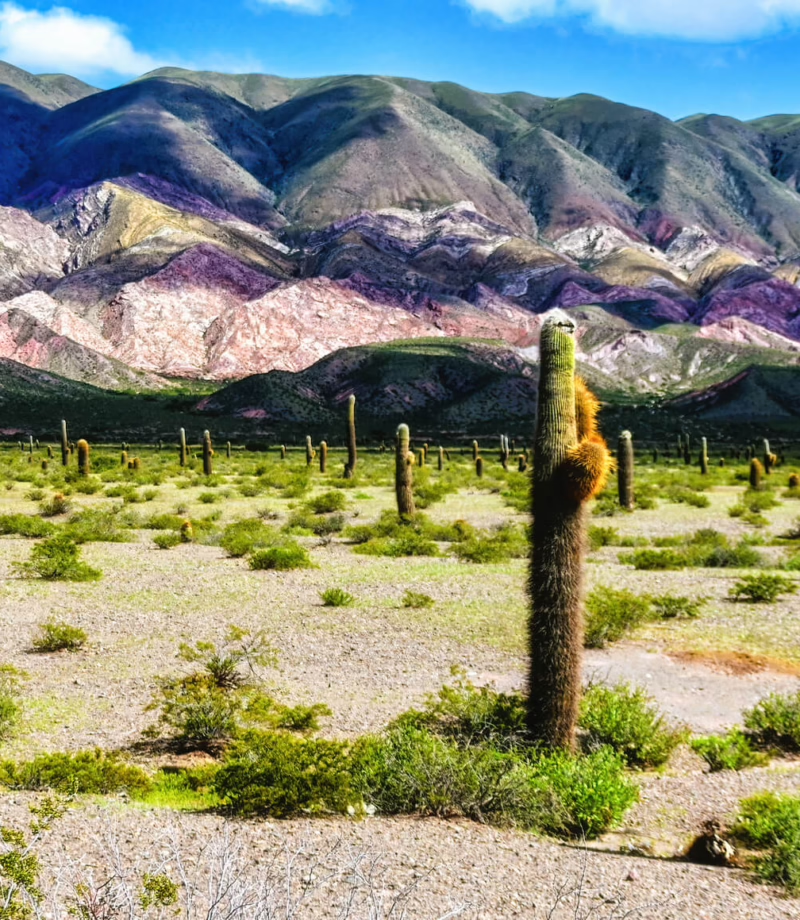
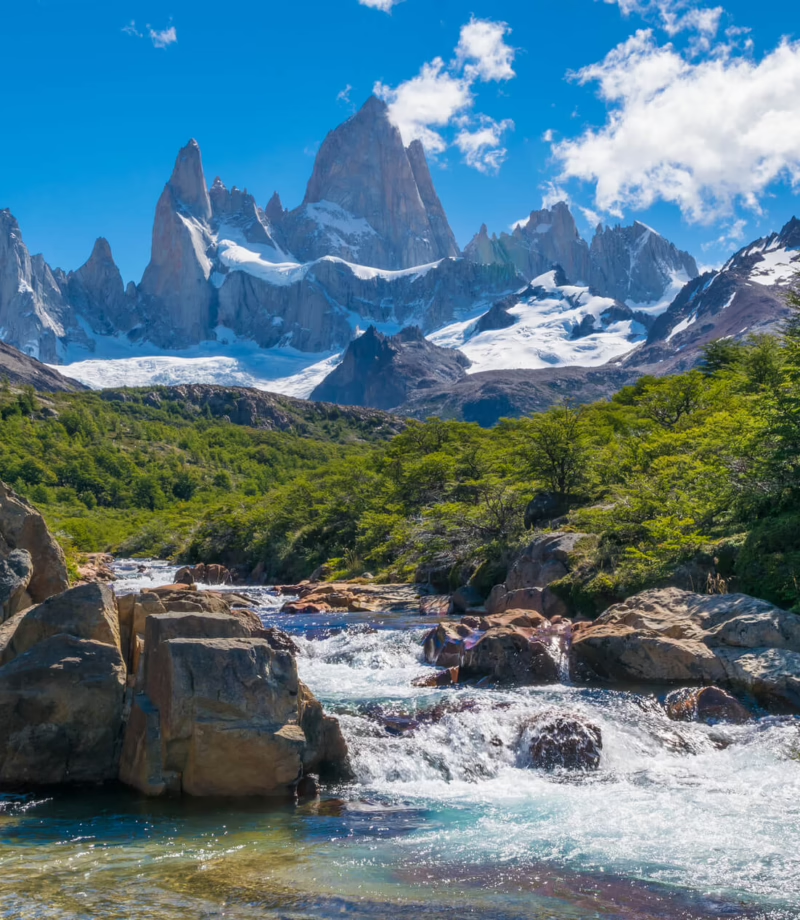
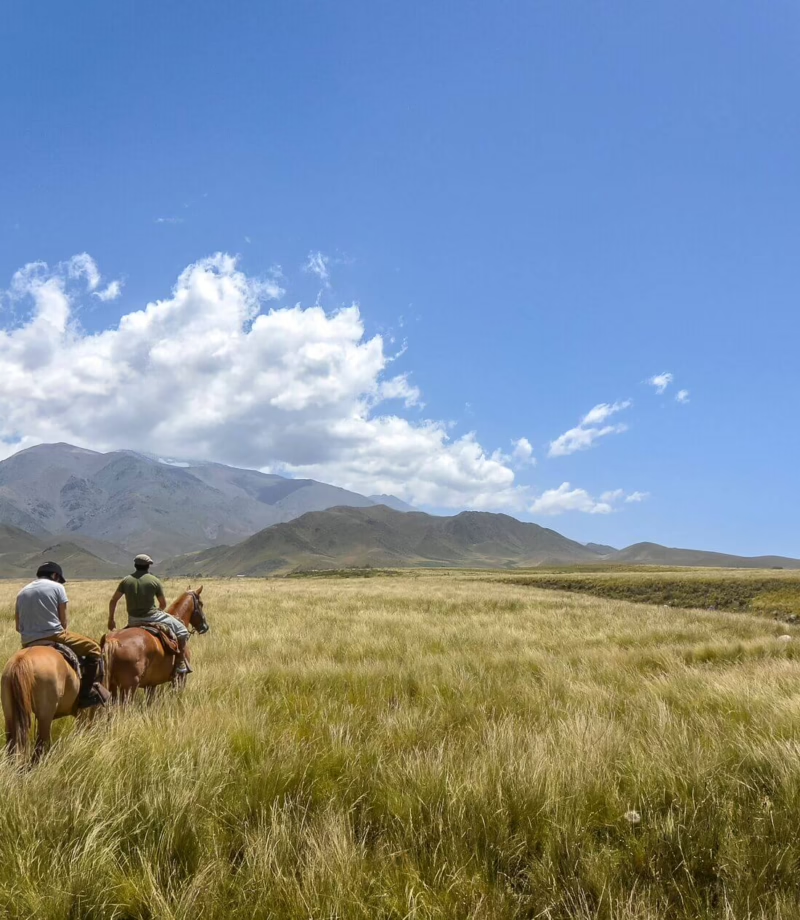
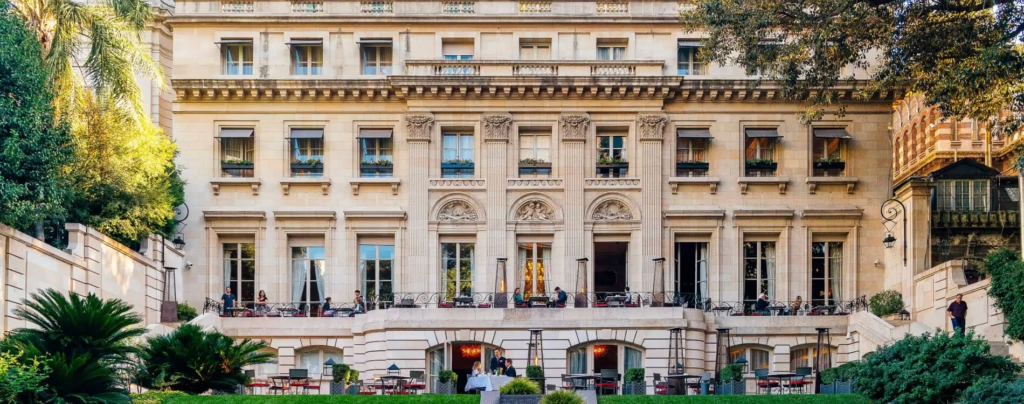
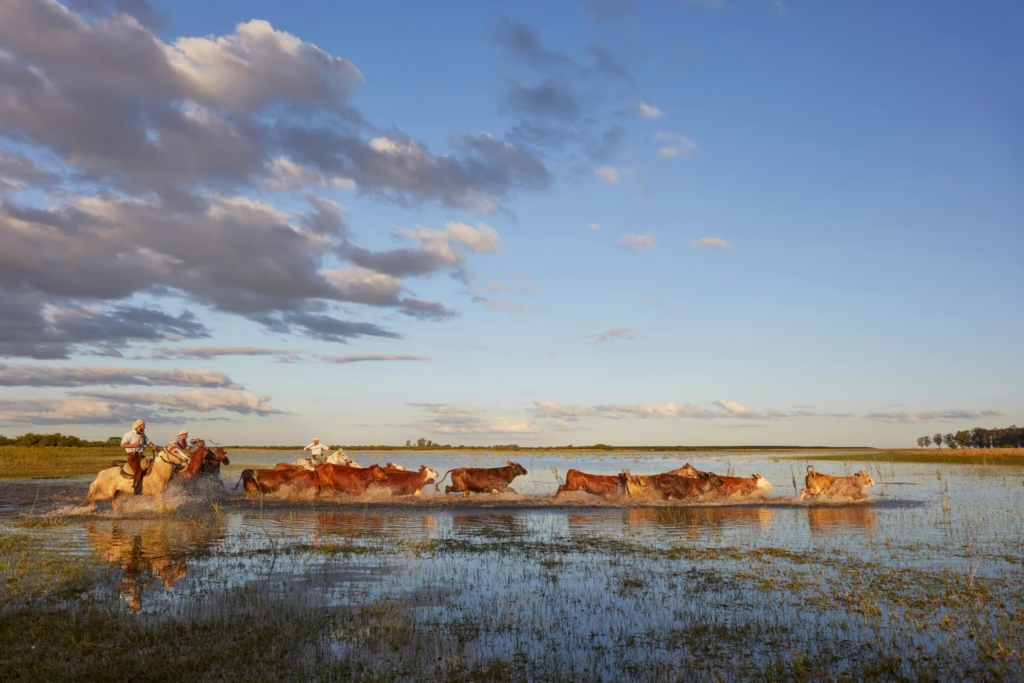
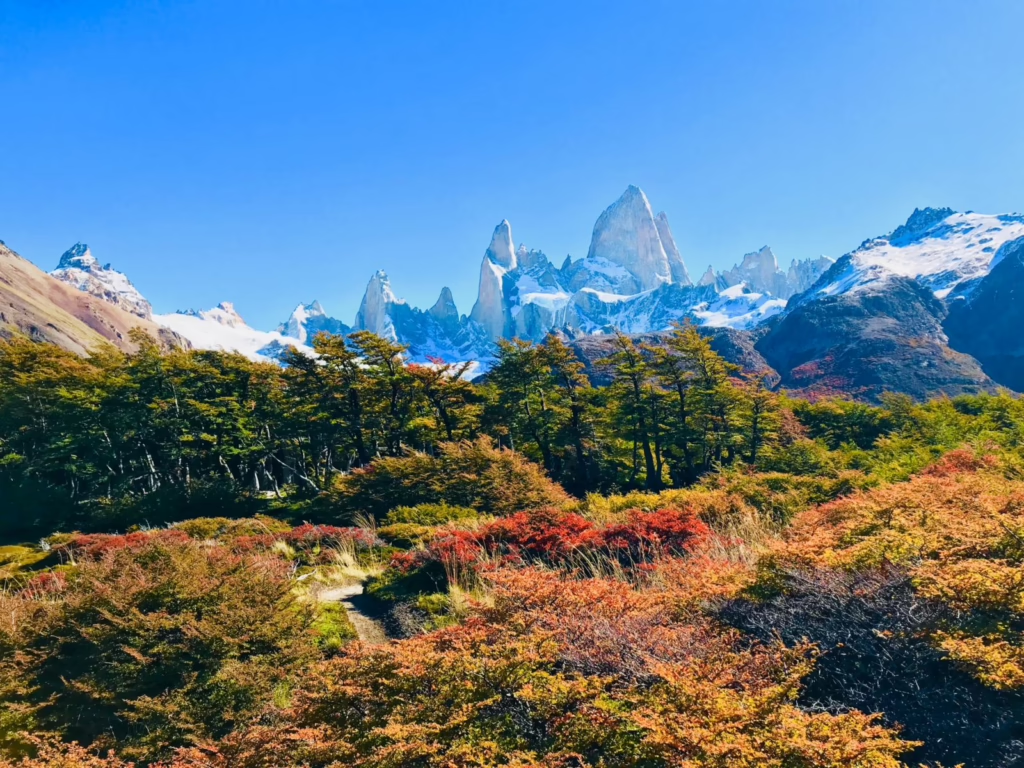
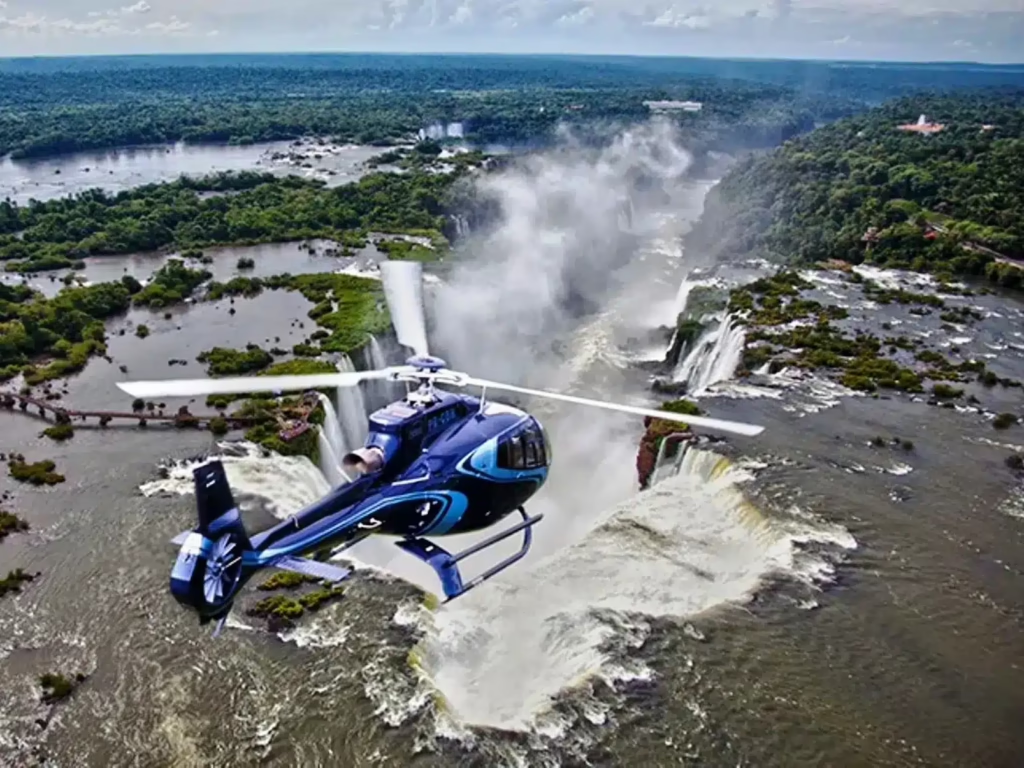
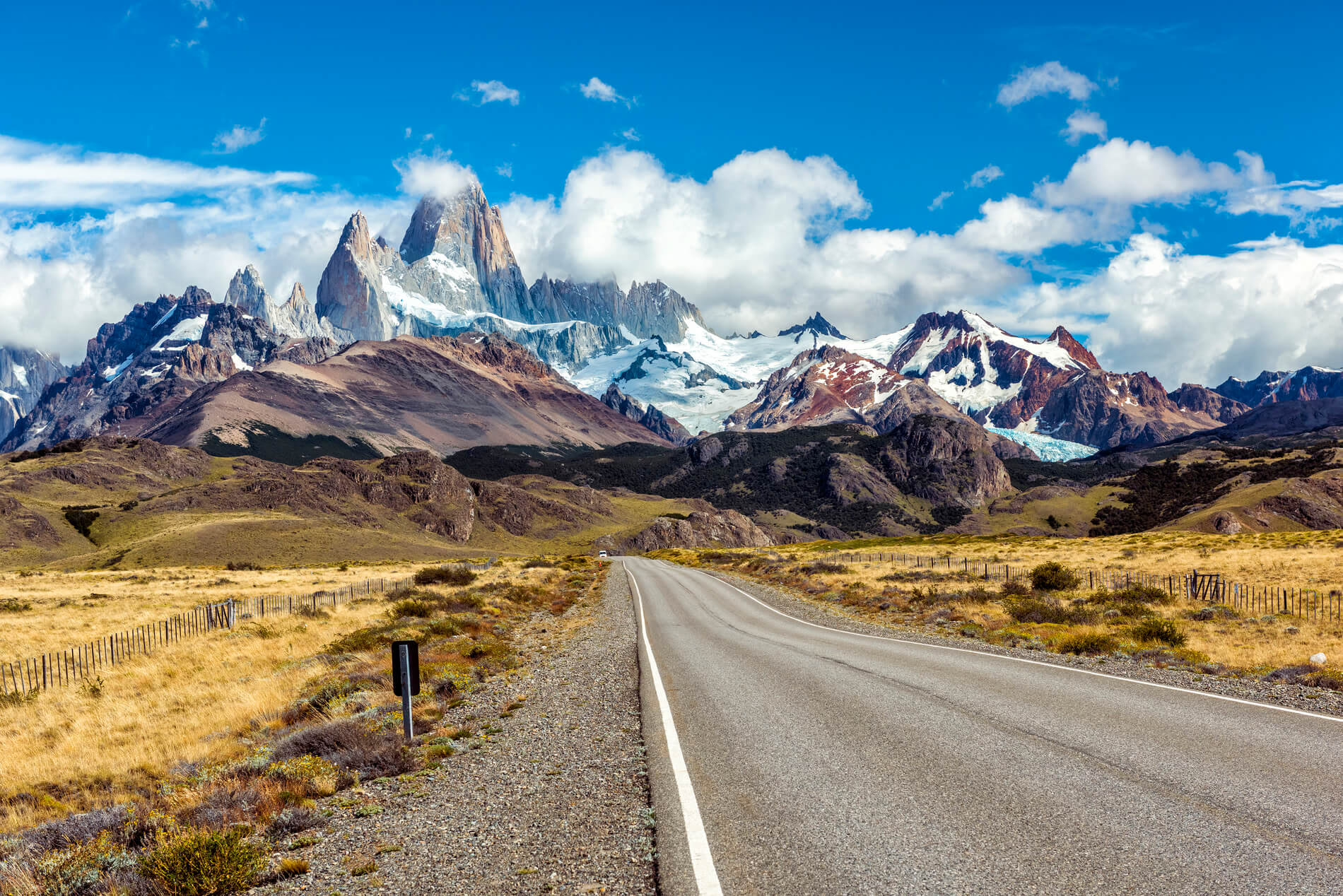
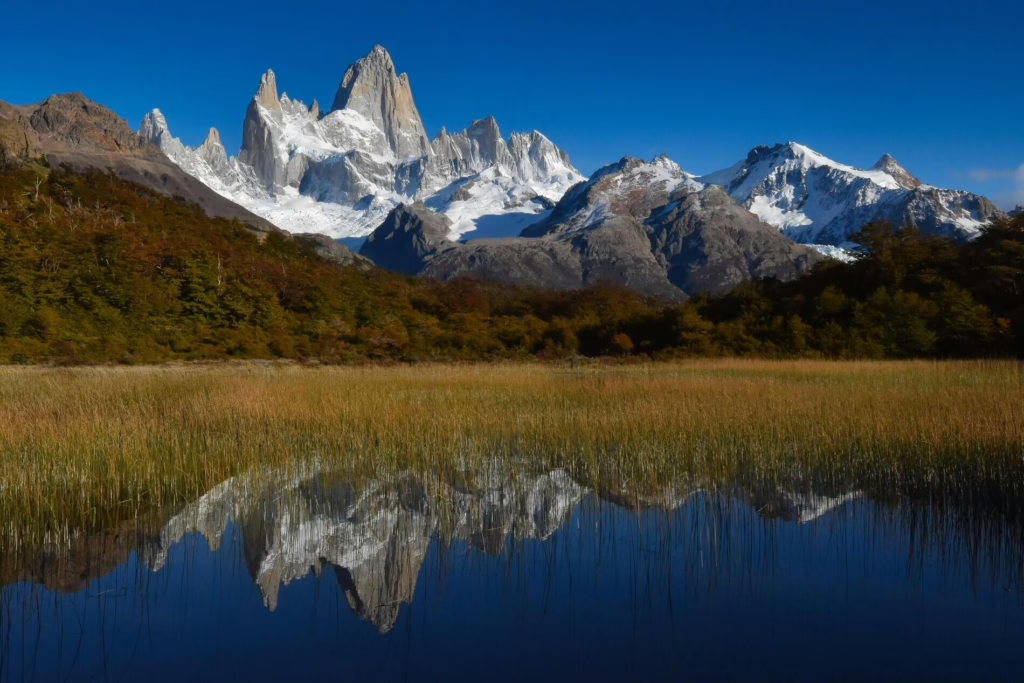
Argentina is a country of contrasts; gigantic glaciers, high-altitude vineyards, vast open grasslands and bustling barrios. From its capital, Buenos Aires, where passionate milongas (spontaneous tango dances) spill onto charming continental streets, to nearby Córdoba where you can experience life as a gaucho on a working estancia, Argentina’s allure is undeniable. Visit natural wonders such as the Iguazu Falls and Perito Moreno Glacier, sample wines in lively Mendoza and venture into Patagonia – the original final frontier – where jagged massifs and fjords shaped by the elements stand as enduring symbols of Earth’s last great wilderness.
Start planning your tailor-made holiday to Argentina or speak to a specialist 0203 930 3998
Specialist Tip
Argentina’s distances are vast, so plan domestic flights carefully or focus on two key regions, such as Buenos Aires and Patagonia, or Mendoza and the northwest around Salta.
Where we’ve been
Map Filters
Explore the region
Journeys we love
Each of our journeys starts from a conversation. Every detail, from the route to the hotels, is built and rebuilt around you until it fits. To provide you a taste of what True Travel can create, our team of global destination specialists have created a selection of suggested journeys, from our recent travels. Get in touch to start planning your next adventure.
EXPLORE ARGENTINA
Our Favourite Places
Lake District
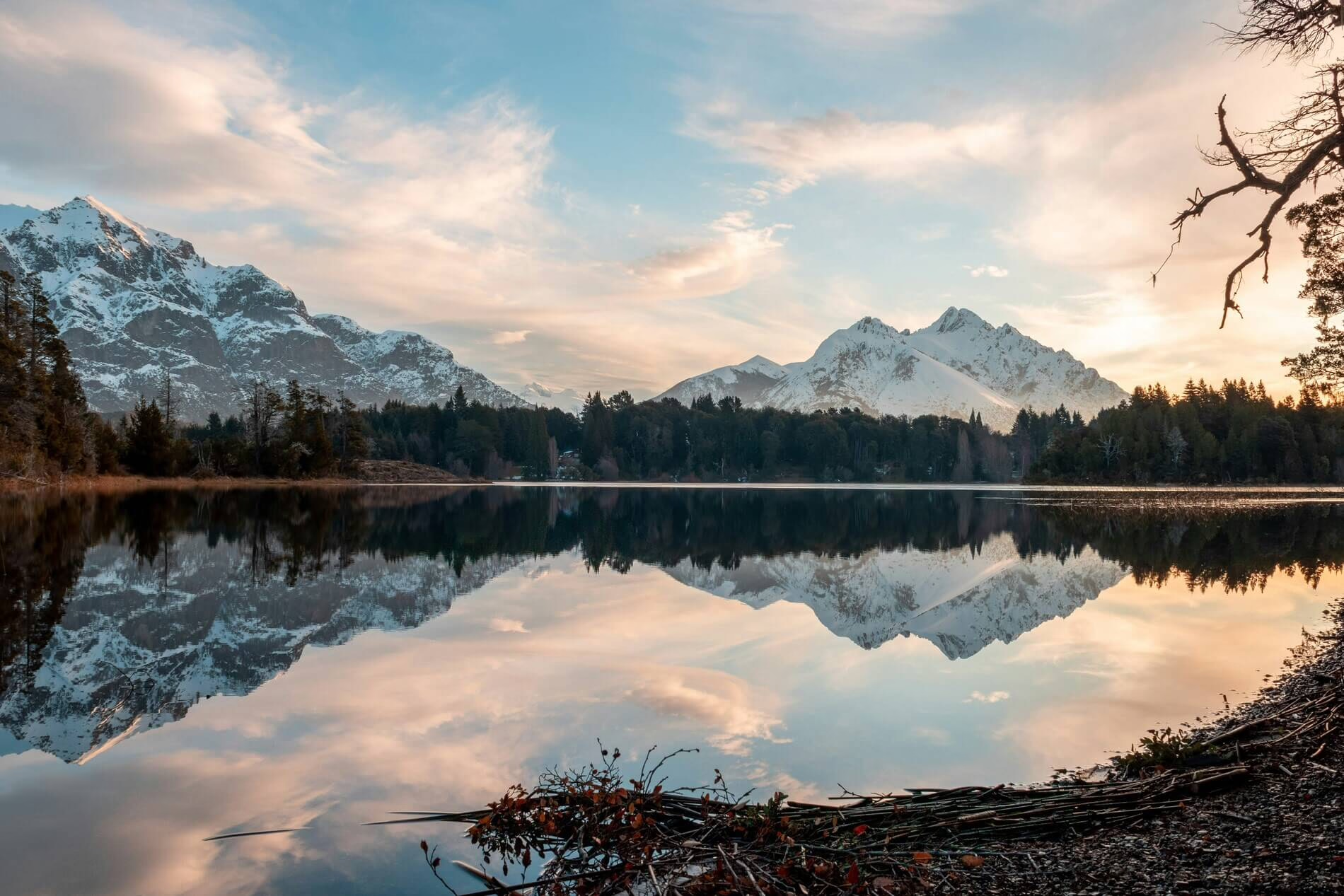
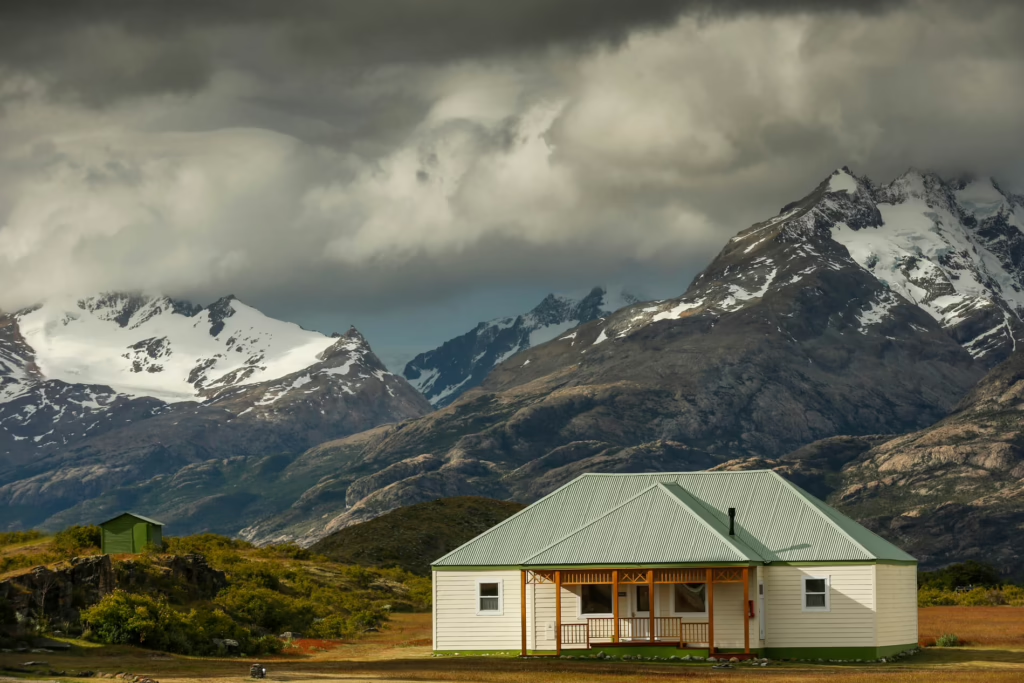
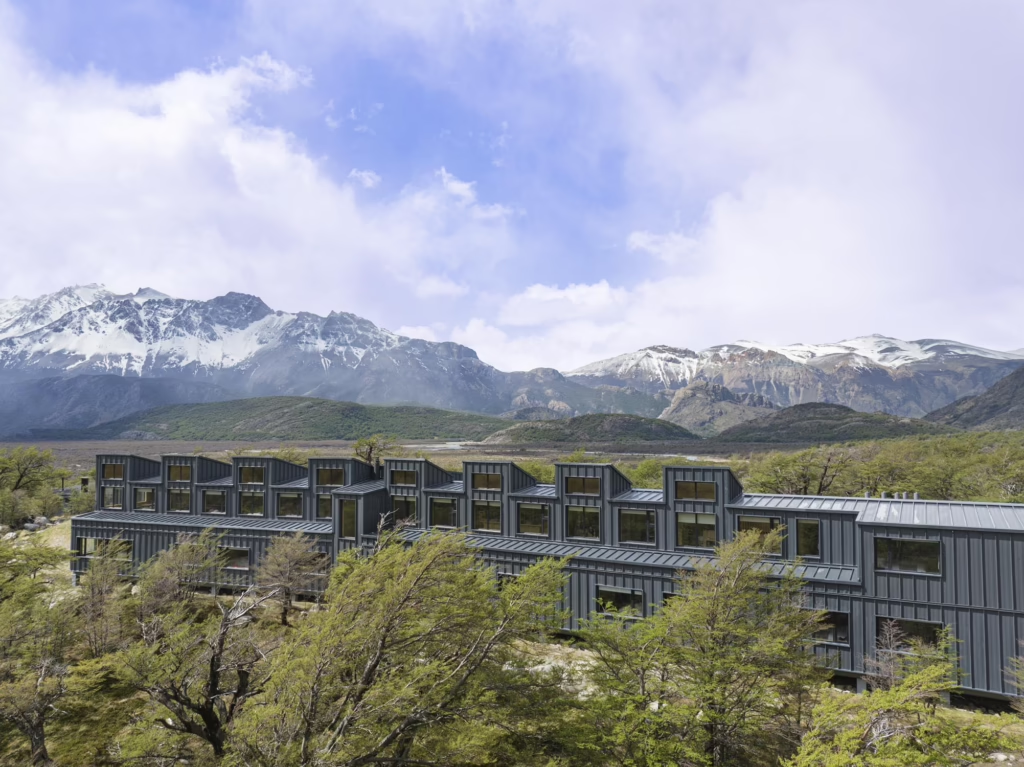
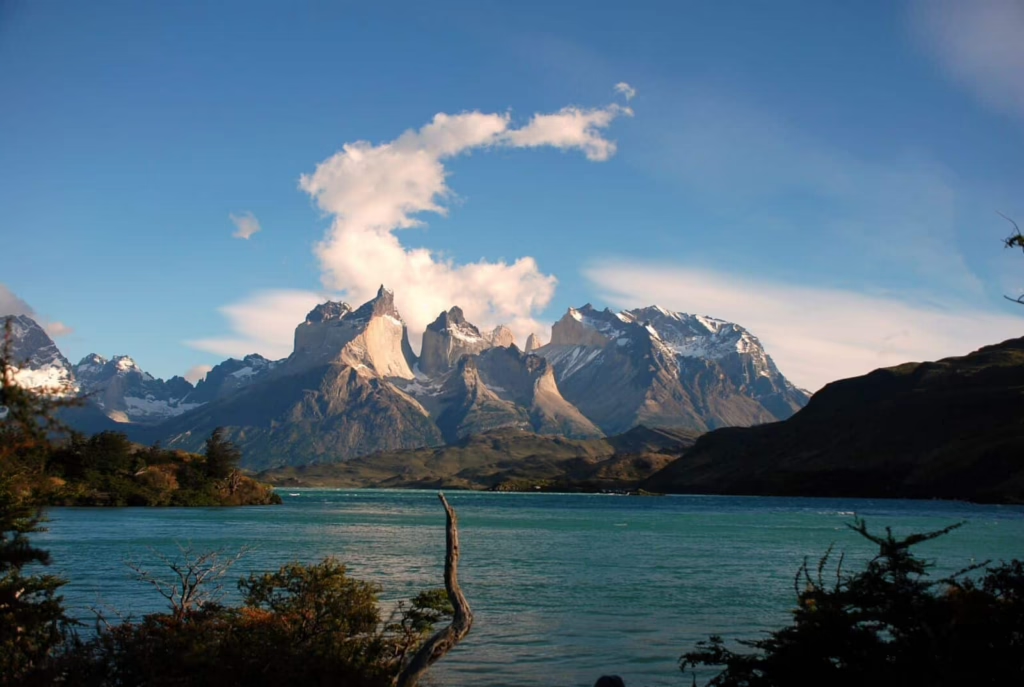
The Argentine Lake District is where Patagonia truly begins, the first stretch of a wild region that runs south all the way to Tierra del Fuego at the southernmost tip of South America. Glacial lakes sit beneath forested slopes here, the same slopes that push upward into the Andes further south. It is a landscape shaped over millennia by ocean and ice, and one best explored slowly, by boat across the lakes and on foot along forest trails that few visitors bother to walk.
HOW WE TRAVEL DIFFERENTLY
Explore a selection of our hand-picked experiences our Travel Designers can build into your holiday, from a private polo lesson to a private guided ice trek on the Perito Moreno glacier.
Argentina
Argentina
Argentina
Argentina
True Travel Journal
From finding the right guide to unlocking hidden doors along Rome’s cobbled streets, to knowing which room offers a front-row view of Patagonia’s mountains at first light, or where to find Kyoto’s best counter seat, our journals are filled with the kind of insight that comes from years of travelling, planning and exploring.
Explore destination guides, travel news and stories from our specialists’ travels around the world, from new hotels and destinations to the experiences worth seeking out. Discover fresh ideas and insider knowledge to inspire your next trip.
Quick Answers
Argentina has historically operated multiple effective exchange rates, and bringing US dollars in cash to exchange informally, often at a noticeably better rate than an ATM or card transaction gives you, has been a genuinely significant way to get more value from your money here. This changes periodically as economic policy shifts, so confirming the current, most favourable way to exchange money with your specialist shortly before departure is worth doing rather than assuming last year’s advice still applies.
The Argentine Peso (ARS) is the official currency, though given its history of significant inflation, prices can shift noticeably even within the course of a single trip. US dollars are widely useful to carry as cash specifically because of the exchange rate dynamics mentioned above, more so than in most destinations where local currency alone would suffice.
Spanish is the national language, though Argentine Spanish has a genuinely distinct accent and vocabulary from European Spanish, including using “vos” instead of “tú” for the informal “you,” which can catch out visitors with some Spanish who learned it elsewhere. English is spoken confidently in Buenos Aires’ tourist areas, but becomes considerably less reliable once you’re in Patagonia or rural provinces.
Argentina operates on Argentina Time (ART, UTC-3) year-round, with no daylight saving changes. Buenos Aires dinner reservations often start considerably later than a UK or US visitor expects, so adjusting your body clock’s sense of “evening” is worth doing early in the trip.
Yes, tap water in Buenos Aires and other major Argentine cities is safe to drink. In more remote parts of Patagonia, water sources can vary, and your specialist or lodge will flag specifically if bottled water is the safer choice for any particular stretch of the trip.
Cards are increasingly accepted in Buenos Aires’ restaurants and hotels, but given the currency dynamics already discussed, carrying US dollars in cash genuinely matters more here than simply being a backup option. Smaller establishments and much of Patagonia still lean heavily on cash for everyday transactions.
Yes, tipping around 10 percent in restaurants, known locally as “propina,” is customary and genuinely appreciated, generally given in cash rather than added to a card payment. This is a more consistent expectation than in some neighbouring South American countries.
Argentina uses a Type I socket, similar in shape to the one used in Australia but wired the opposite way round, meaning an Australian Type I plug won’t necessarily fit an Argentine socket despite the visual resemblance. A universal adapter genuinely earns its place here rather than assuming a plug from a similarly shaped destination will simply work.
Asado, Argentina’s traditional slow-cooked barbecue, is a genuinely unhurried social occasion that can stretch across an entire afternoon or evening rather than a quick meal, with different cuts of meat served in sequence over several hours. Pacing yourself rather than filling up on the first course, and settling in for genuine conversation between servings, gets far more out of the experience than treating it as a fast meal.
The cabeceo is a subtle nod-and-eye-contact invitation used to ask someone to dance at a traditional milonga, allowing either party to decline gracefully by simply looking away, rather than a verbal request made across the room. Observing a few dances before attempting to participate helps pick up this unwritten system, which locals take seriously as proper etiquette rather than an old-fashioned formality.
Patagonia’s wind is genuinely extreme by most travellers’ standards, capable of making hiking trails difficult or temporarily closed and affecting flight schedules into smaller regional airports. Building flexibility into a Patagonia itinerary, rather than planning tightly back-to-back activities, accounts for a hazard that’s a routine part of the region’s climate rather than an unusual weather event.
Fill out our trip finder form and find inspiration for your perfect holiday
Trip FinderWhy choose True Travel
Every destination, expertly understood
We only recommend what we know
Truly bespoke, never off-the-shelf
Every itinerary is built around your pace and interests
One specialist, start to finish
The same person from first call to flight home
Trusted for over 13 years
B Corp certified, ATOL protected, Award-winning
Map Filters
Explore everywhere we go
Guided Discovery
Select as many as you like. We'll use your choices to surface ideas from across the world.
Ideas selected for you
·