Specialist Tip
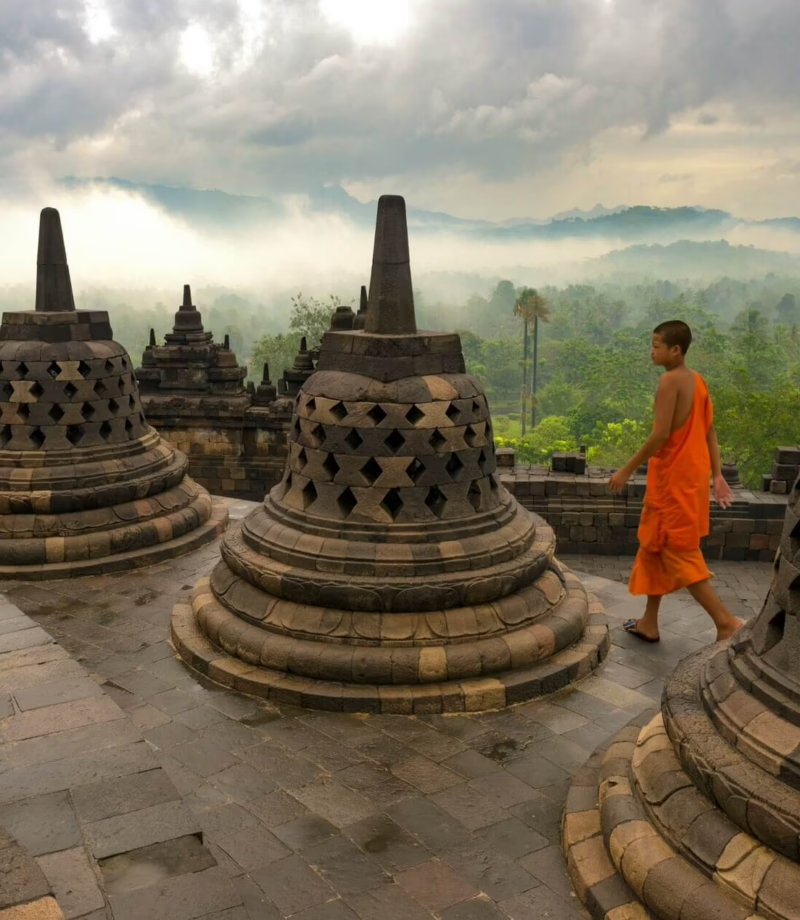
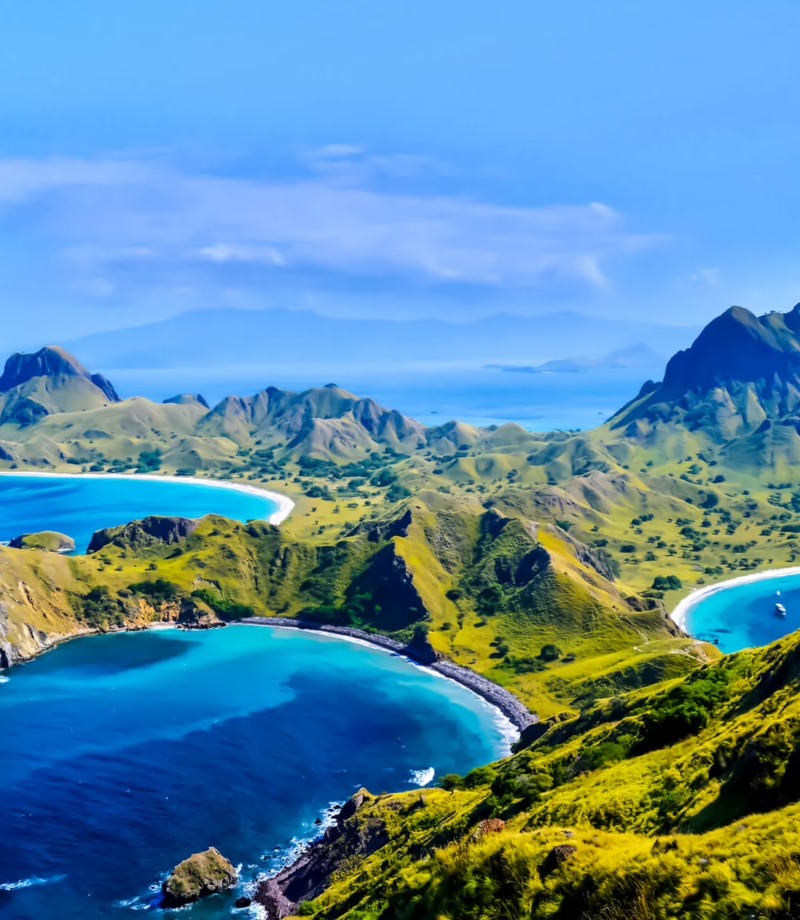
Indonesia is far more than just Bali. Combine the island’s culture and beaches with the dragon-inhabited islands of Komodo, the ancient temples of Java, or a private boat expedition through the marine wilderness of Raja Ampat.
Luxury holidays in Indonesia
Indonesia with True Travel
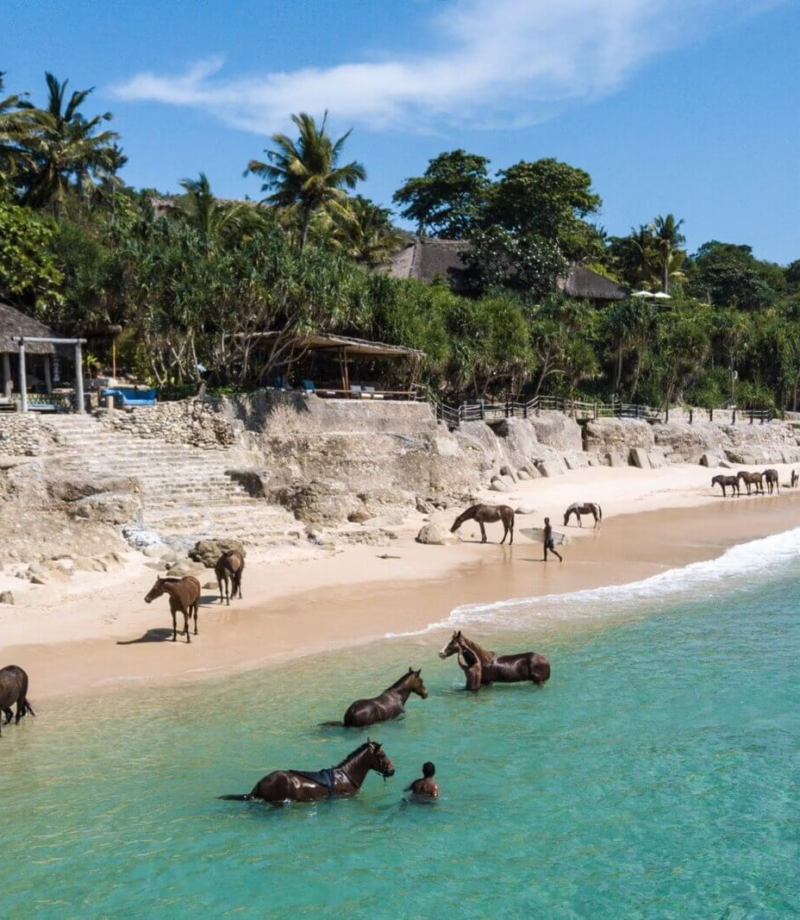
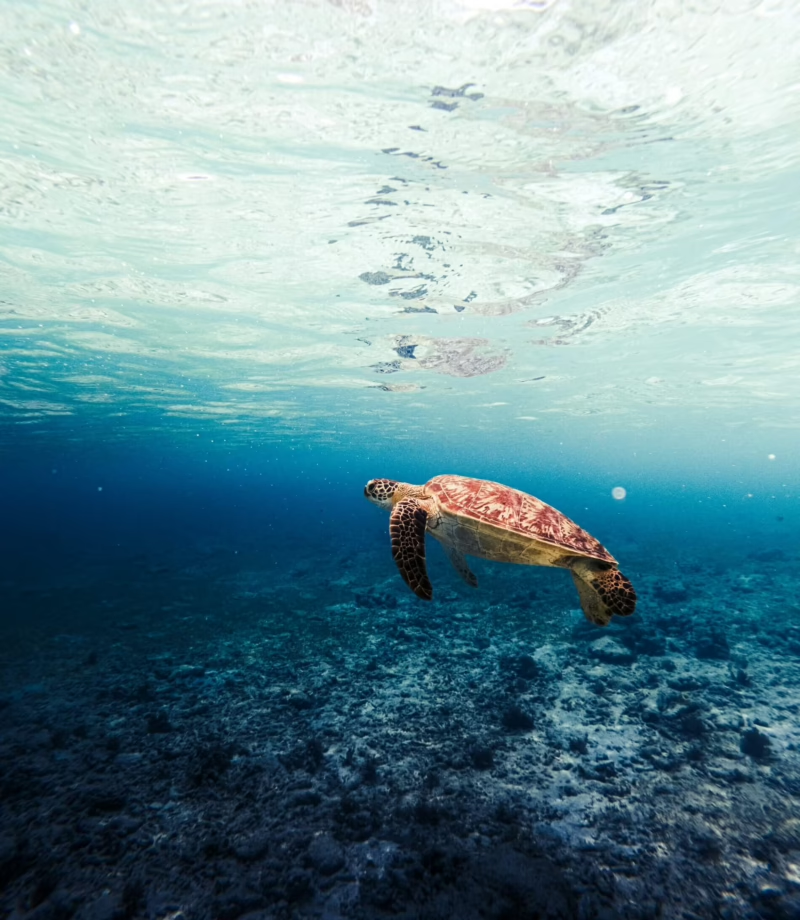
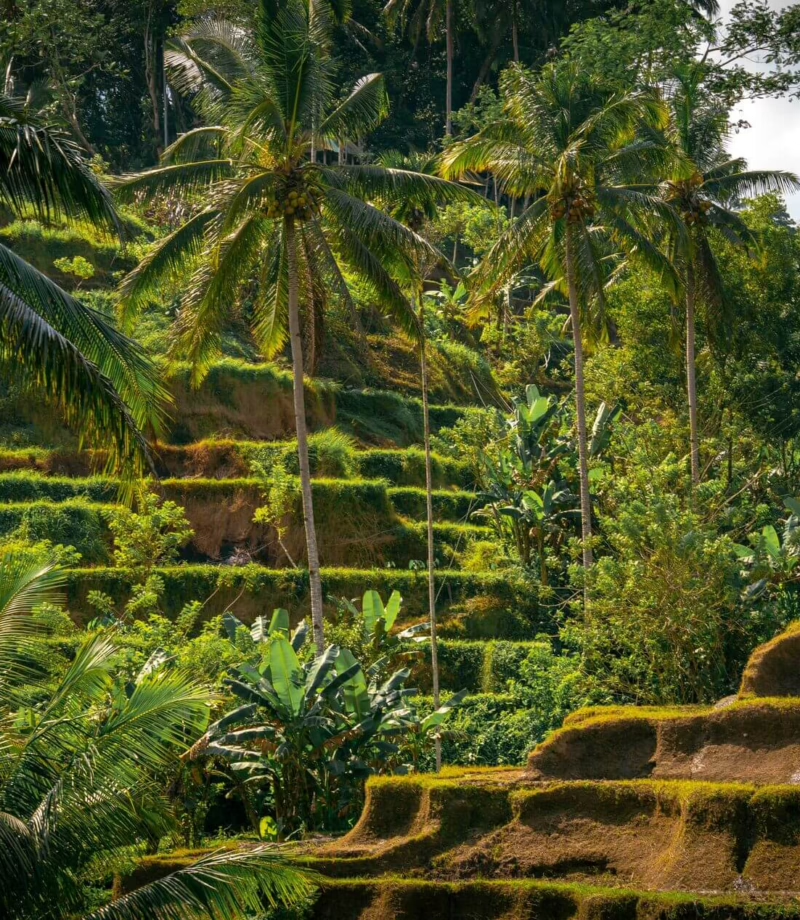
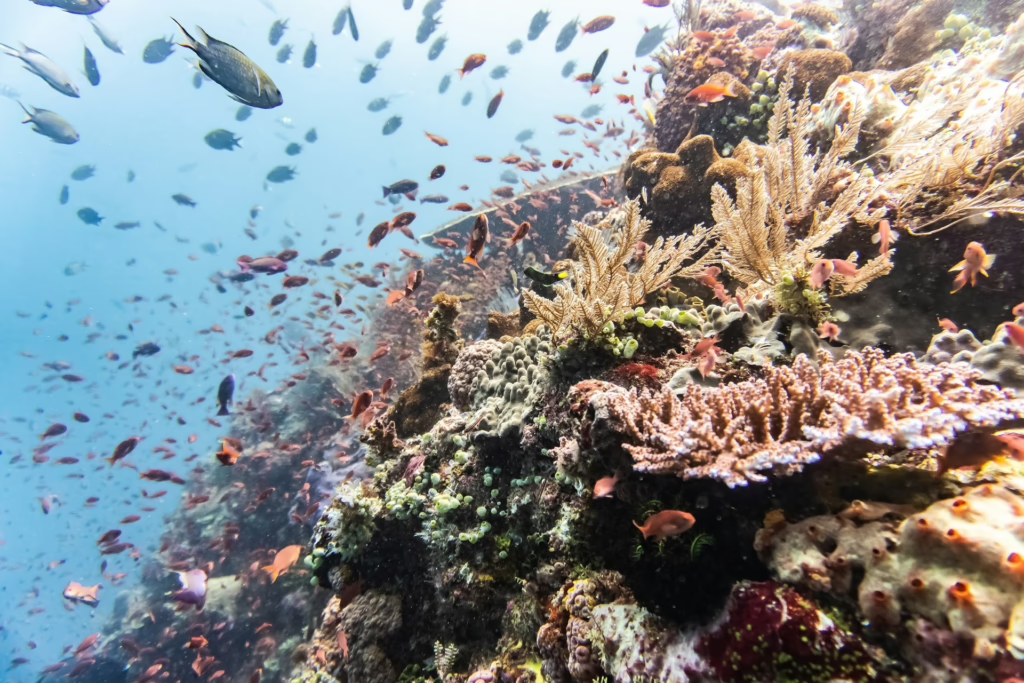
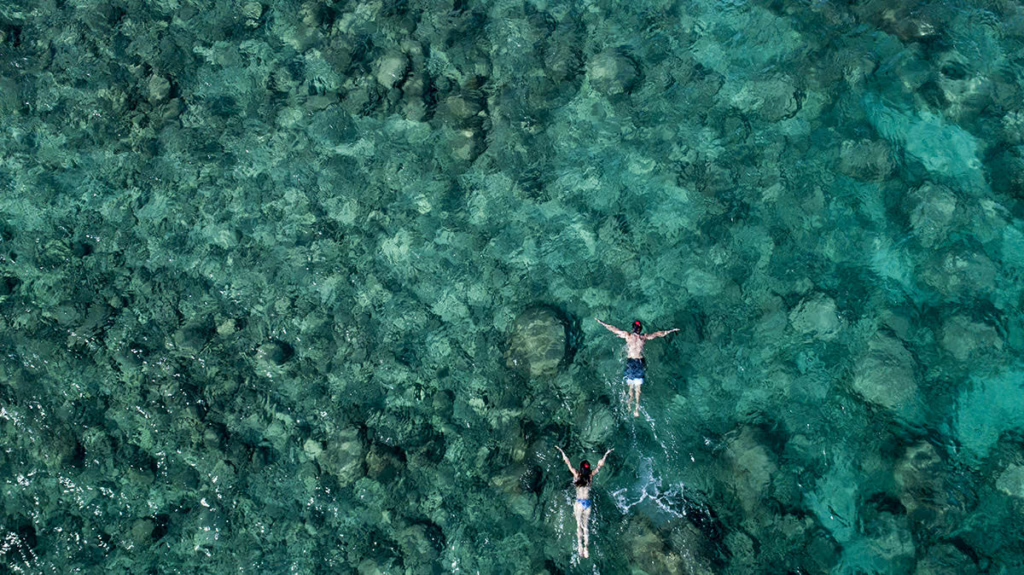
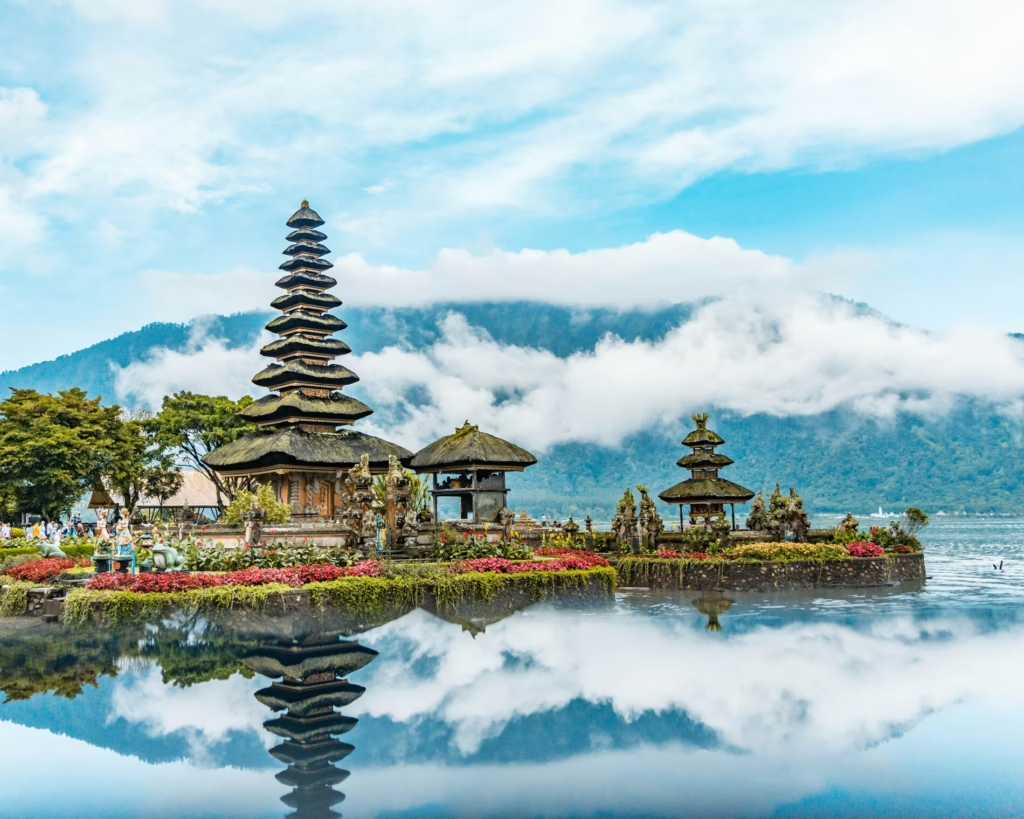
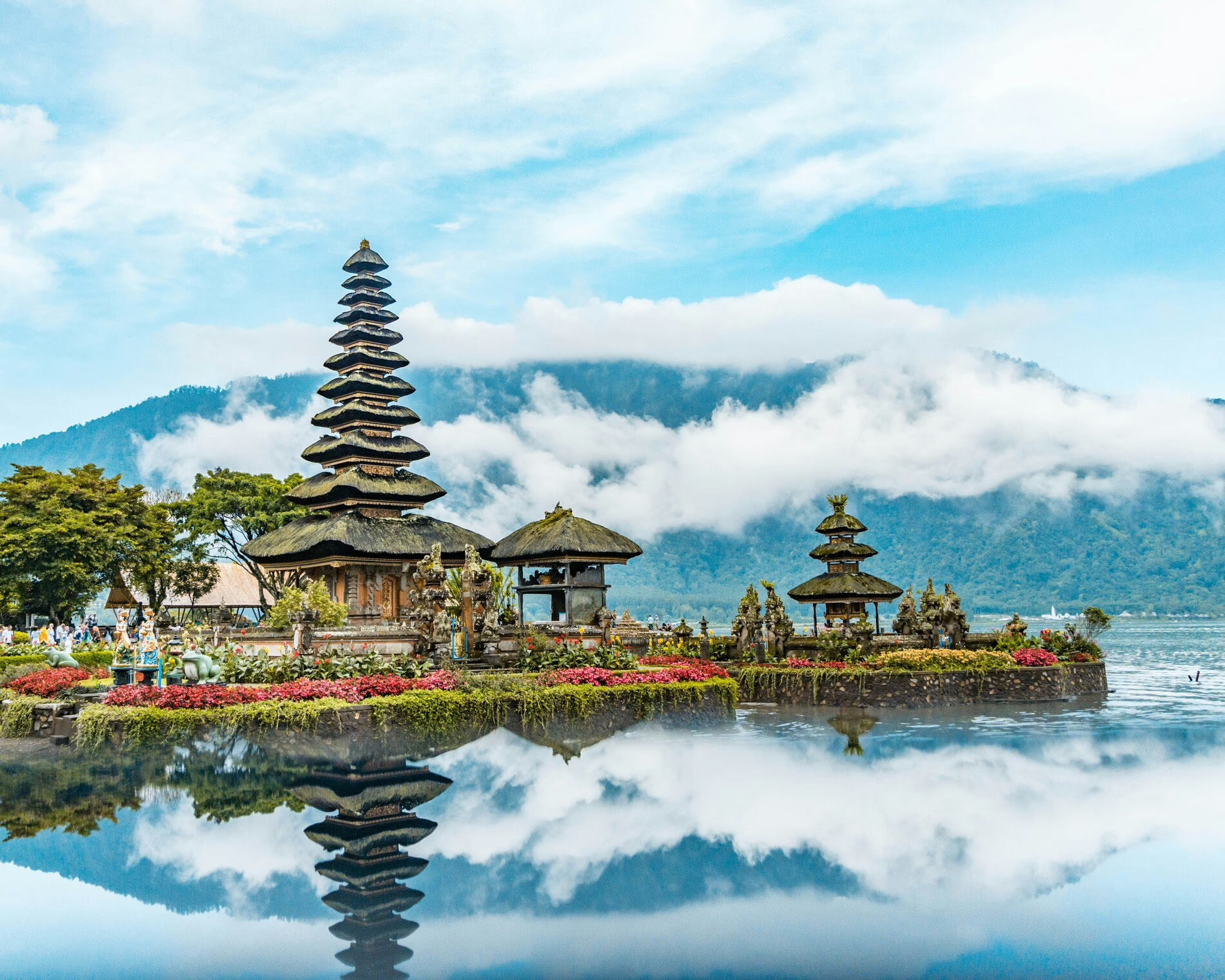
Indonesia is less country and more world of its own. Scattered across thousands of islands, it’s a place where volcanic peaks rise above emerald rice terraces, jungle gives way to white-sand beaches, and ancient temples sit quietly beneath tropical canopies. Dive into turquoise waters, trek through misty highlands, or lose yourself in the incense-scented streets of Bali’s laid-back cultural capital, Ubud, where spirituality runs deep. Beyond Bali, some 17,000 islands offer worlds of their own. Explore Java, home to eight UNESCO World Heritage sites; venture into Sumatra’s orangutan dense forests; track seemingly prehistoric Komodo dragons across their eponymous Komodo National Park; or set sail through the sun-drenched waters of Raja Ampat, a diver’s dream of remote islands, pristine reefs and extraordinary marine life.
Start planning your tailor-made holiday to Indonesia or speak to a specialist 0203 930 3998
Specialist Tip
Indonesia is far more than just Bali. Combine the island’s culture and beaches with the dragon-inhabited islands of Komodo, the ancient temples of Java, or a private boat expedition through the marine wilderness of Raja Ampat.
Where we’ve been
Map Filters
Explore the region
EXPLORE INDONESIA
Our Favourite Places
Moyo
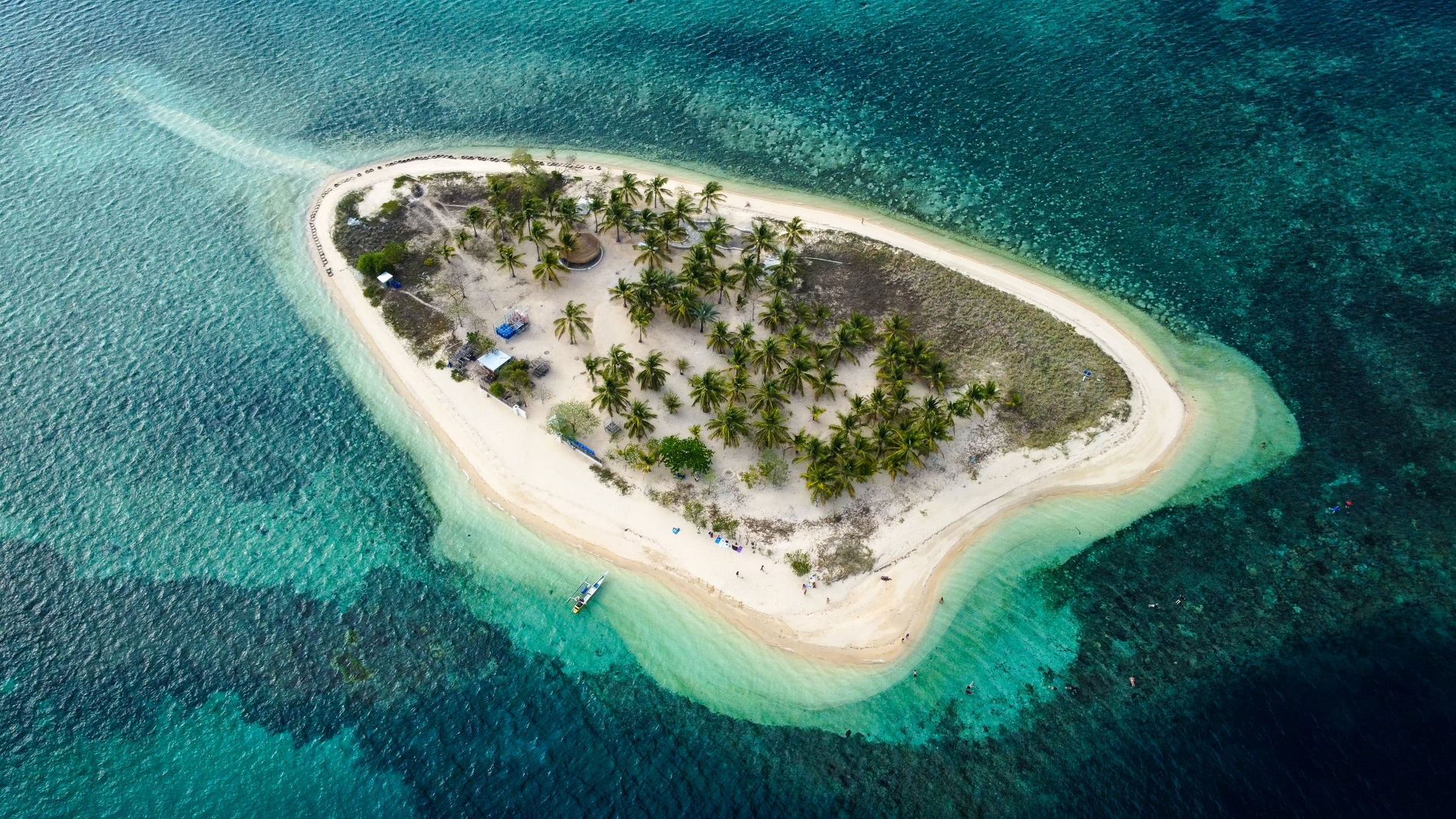
Moyo Island sits off the north coast of Sumbawa, a small, largely uninhabited island ringed by coral reef and known for waterfalls that cascade through jungle down to natural swimming pools, a spot Princess Diana famously visited in the 1990s. Diving and snorkelling here rank among the best in Indonesia, with manta rays a regular sighting, while the island's single lodge keeps numbers low. It works well paired with Komodo or Lombok as part of a wider island-hopping itinerary.
Indonesia
Indonesia
Indonesia
Indonesia
Indonesia
Indonesia
True Travel Journal
From finding the right guide to unlocking hidden doors along Rome’s cobbled streets, to knowing which room offers a front-row view of Patagonia’s mountains at first light, or where to find Kyoto’s best counter seat, our journals are filled with the kind of insight that comes from years of travelling, planning and exploring.
Explore destination guides, travel news and stories from our specialists’ travels around the world, from new hotels and destinations to the experiences worth seeking out. Discover fresh ideas and insider knowledge to inspire your next trip
Quick Answers
The Indonesian Rupiah (IDR) is the local currency, and its large denominations, often running into hundreds of thousands or millions for everyday purchases, take a little mental adjustment for first-time visitors. ATMs are widely available in Bali and major cities, and it’s worth requesting a mix of note sizes rather than only large bills, which smaller vendors sometimes struggle to change.
Bahasa Indonesia is the official language across the archipelago, though Indonesia is home to several hundred regional languages, including Balinese, which remains distinct from national Indonesian and central to local ceremony and daily life in Bali specifically. English is used confidently throughout Bali’s tourism industry, though less consistently on more remote islands.
Indonesia spans three time zones: Western Indonesia Time (WIB, UTC+7), covering Java and Sumatra, Central Indonesia Time (WITA, UTC+8), covering Bali and Komodo, and Eastern Indonesia Time (WIT, UTC+9), covering Papua. A trip combining Jakarta with Bali involves a genuine one-hour adjustment, which is easy to overlook when booking connecting flights or scheduling calls home.
Tap water is not safe to drink anywhere in Indonesia, including at Bali’s resorts. Bottled or filtered water is provided as standard at all reputable hotels and should be used for drinking and brushing teeth throughout your stay, including on more remote islands like Komodo or in the Raja Ampat archipelago.
Cards are widely accepted at Bali’s resorts, restaurants and larger shops, but local markets, smaller warungs and more remote islands typically expect cash. Rupiah in a mix of denominations covers day-to-day spending comfortably, particularly once you’re away from the main tourist areas.
Tipping isn’t a deeply rooted local tradition, and many hotels and restaurants already include a service charge on the bill, so it functions more as a genuine thank-you for excellent service than an obligation. A small cash amount for guides, drivers and spa staff is appreciated where service has stood out, rather than being an automatic expectation at every turn.
Indonesia uses Type C and Type F sockets, the two-pin European standard, running at 230V. Most Bali resorts have sockets suitable for charging in every room, though a compact adapter is worth packing for smaller guesthouses or more remote island properties where standards can vary.
Mobile coverage across Bali is strong, and a local SIM is inexpensive and easy to arrange on arrival for calls and data. Coverage becomes considerably patchier on remote islands like Komodo or in Raja Ampat, where many resorts rely on satellite connections and wifi is limited to communal areas.
Modest, breathable clothing that covers shoulders is worth packing for temple visits across Bali, alongside quick-dry gear if your itinerary includes diving or snorkelling around Komodo or Raja Ampat. A sarong is genuinely useful to have of your own, even though most temples provide one on loan at the entrance for a small donation.
Indonesia’s religious makeup varies significantly by island, with Bali predominantly Hindu while much of the rest of the country, including Java and Sumatra, is majority Muslim, so dress expectations and customs shift noticeably if your itinerary spans multiple regions. A warm, unhurried greeting before any request is valued island-wide regardless of local religion.
Yes, covering the legs, typically from the waist to below the knee, is required to enter Bali’s temples, and a sarong is almost always available to borrow or rent at the entrance for a small donation if you haven’t brought your own. Shoulders don’t always need covering at every temple, but a light scarf is worth carrying in case a specific site asks for it.
These are canang sari, daily Hindu offerings of flowers, rice and incense placed outside homes, shops and temples as part of ordinary religious practice rather than decoration or litter. Stepping on one, even accidentally, is considered disrespectful, so watching your footing on Bali’s pavements is a small but genuinely appreciated habit to get into quickly.
Fill out our trip finder form and find inspiration for your perfect holiday
Trip FinderWhy choose True Travel
Every destination, expertly understood
We only recommend what we know
Truly bespoke, never off-the-shelf
Every itinerary is built around your pace and interests
One specialist, start to finish
The same person from first call to flight home
Trusted for over 13 years
B Corp certified, ATOL protected, Award-winning
Map Filters
Explore everywhere we go
Guided Discovery
Select as many as you like. We'll use your choices to surface ideas from across the world.
Ideas selected for you
·