Specialist Tip
Iceland’s natural wonders are popular, but visiting early in the morning or later in the evening during the long summer days allows you to experience waterfalls, geysers and glaciers with far fewer people.
Luxury holidays in Iceland
The land of fire and ice
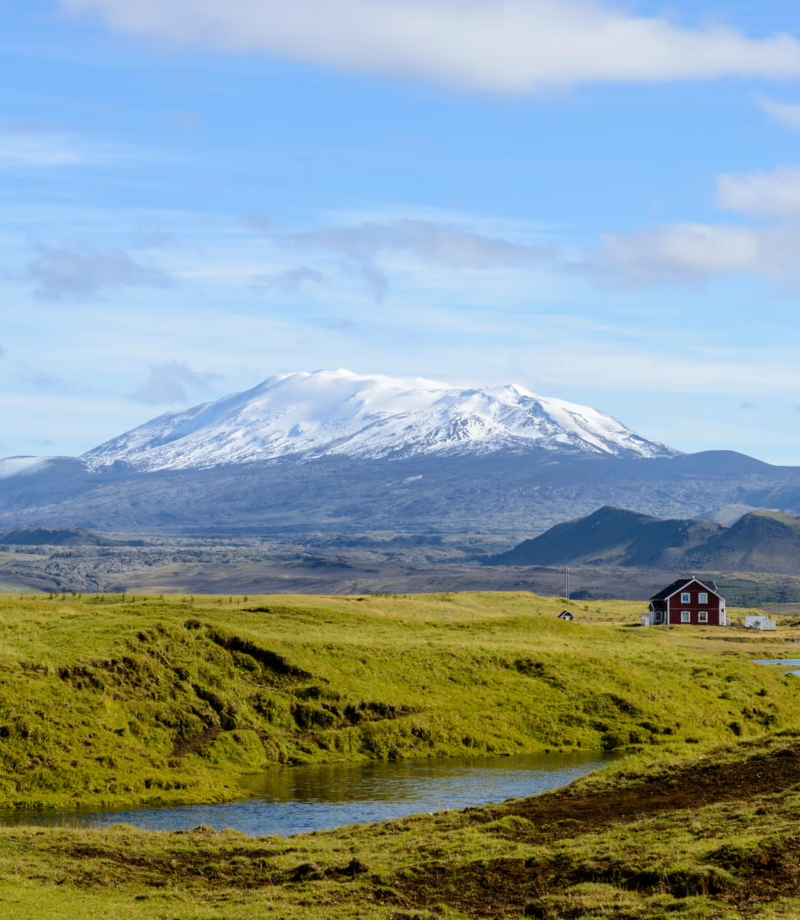
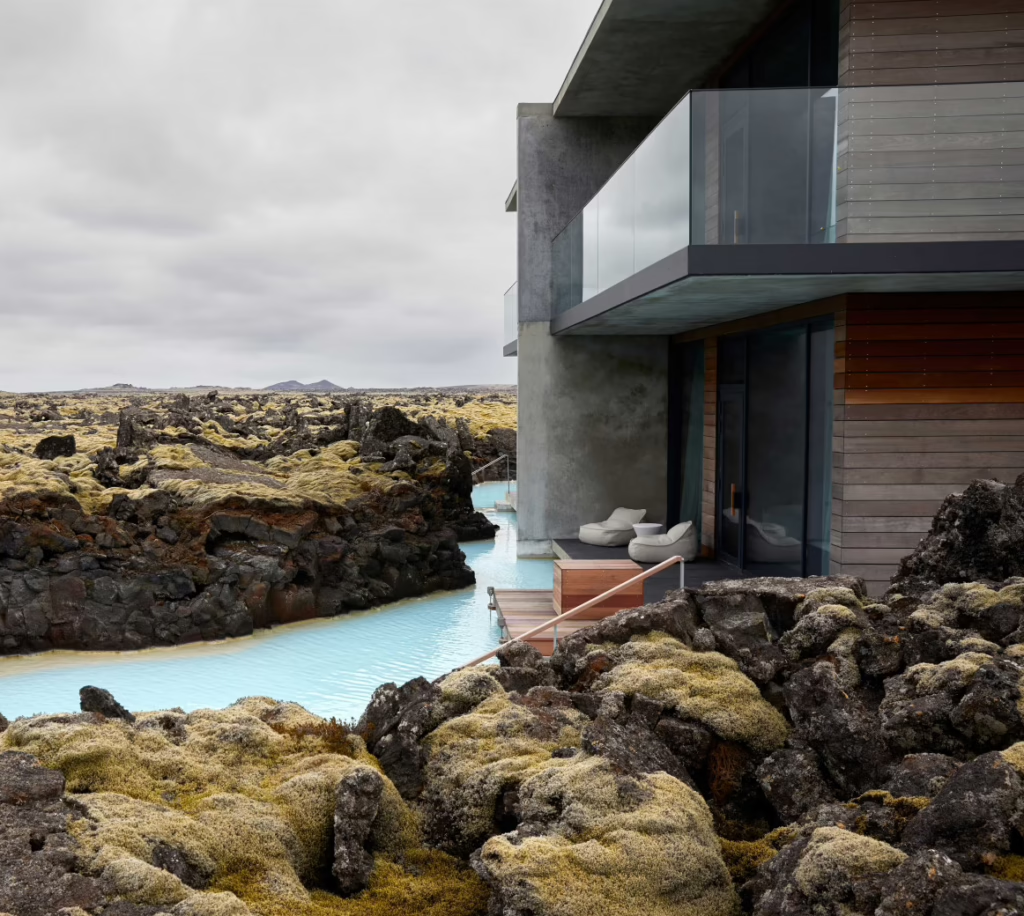
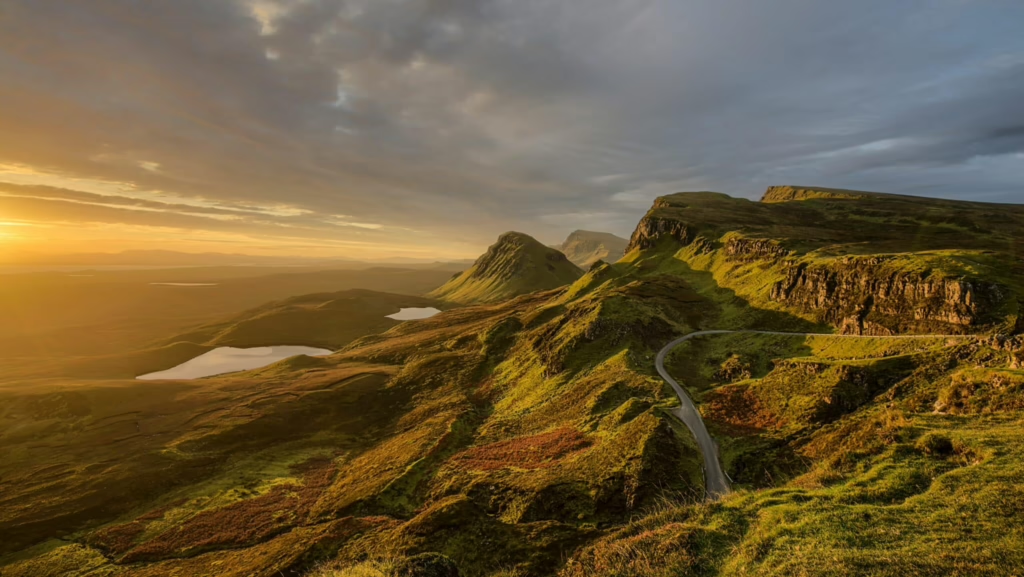
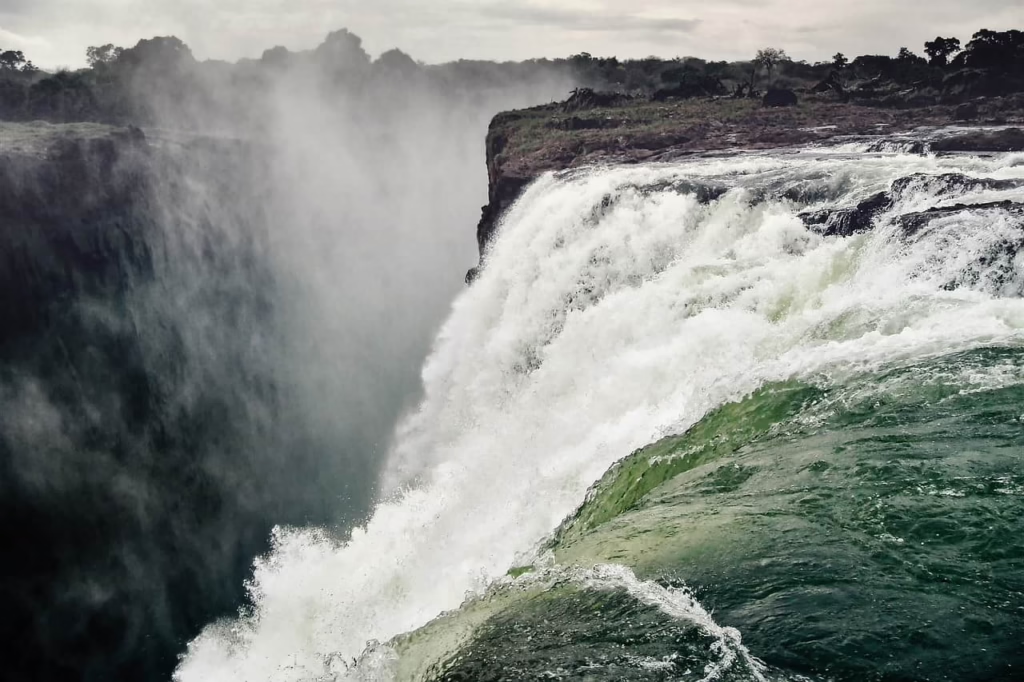
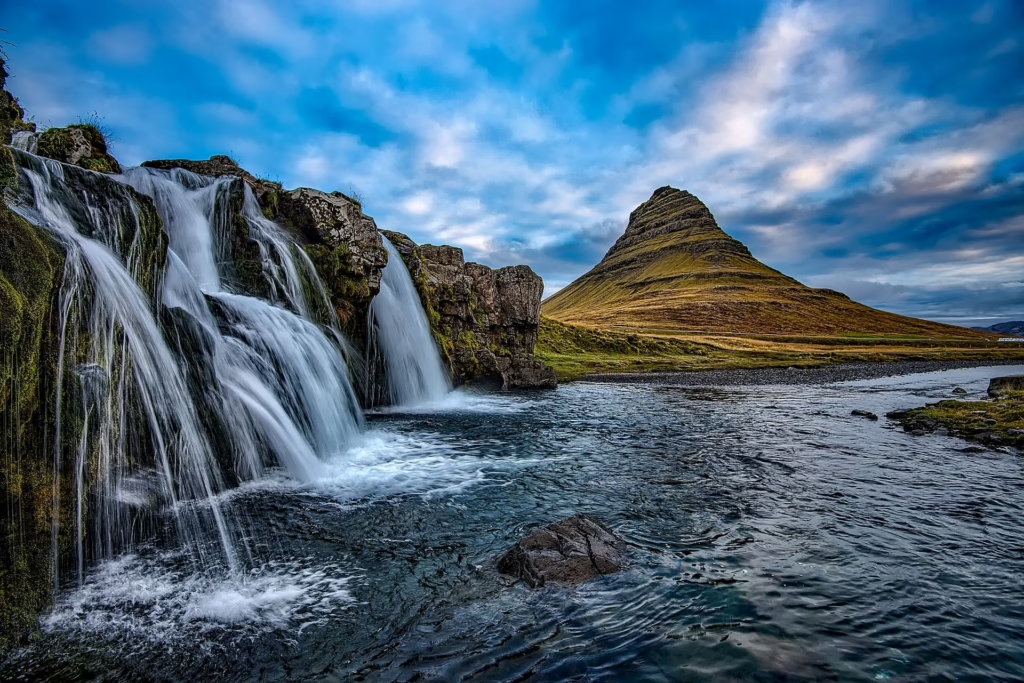
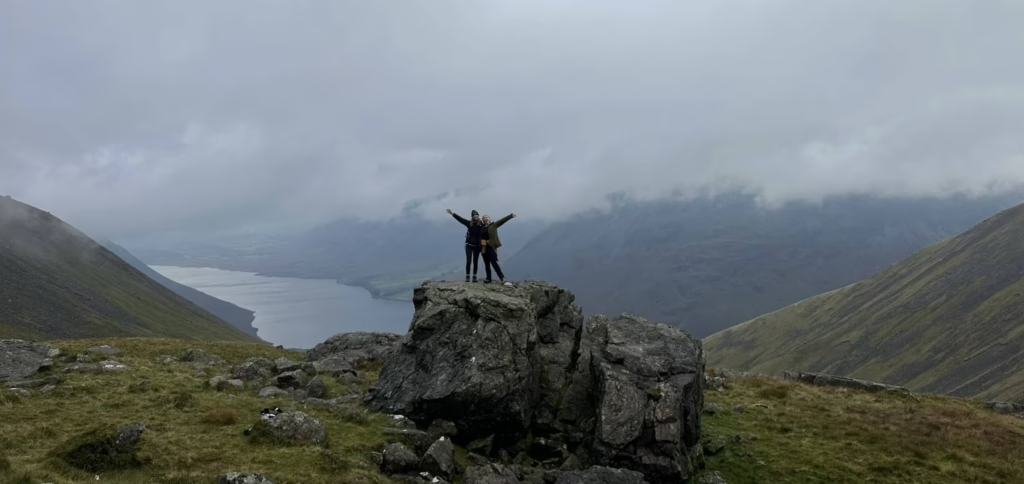
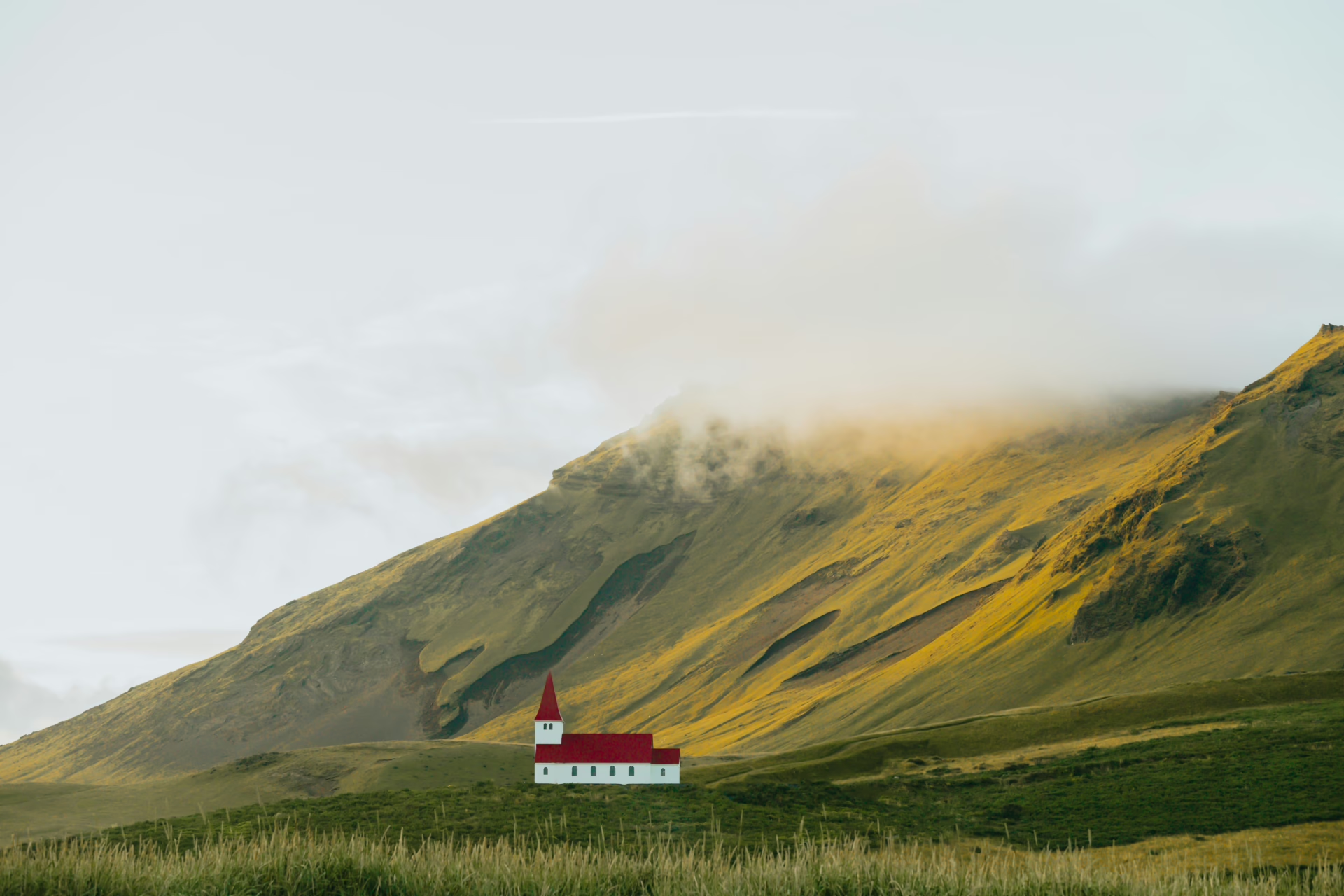
Nowhere does Mother Nature show off her skillset more than Iceland. Glaciers creep across volcanic peaks, waterfalls plunge into mossy valleys and steaming rivers wind through black lava fields. Most journeys begin in Reykjavík, the world’s most northerly capital, where colourful streets, Nordic design and a buzzing food scene provide a lively contrast to the wild landscapes beyond. From here, follow the Golden Circle to geysers, waterfalls and the ancient landscapes of Thingvellir, or hit the open road and venture further into Iceland’s remote corners. Drive along black-sand beaches, hike across ancient glaciers and soak in steaming geothermal waters, all while witnessing a landscape still being shaped by the forces beneath it. Come winter, the Northern Lights add another layer of magic, illuminating the island’s otherworldly scenery.
Start planning your tailor-made Iceland holiday
Speak to a Europe specialist: 0203 930 3998
Iceland is made for road trips, with a landscape that changes around every bend. Start your Iceland holiday in Reykjavík, with its excellent restaurants, Nordic design and colourful streets, before heading out along the South Coast, where black-sand beaches, waterfalls and glaciers make the journey as memorable as the destination. Follow the Golden Circle for some of Iceland’s best-known sights or take the road less travelled into the country’s quieter corners.
There’s plenty to do beyond sightseeing. Hike across a glacier, ride Icelandic horses through volcanic landscapes, snorkel between tectonic plates or soak in a geothermal pool surrounded by wilderness. For winter holidays to Iceland, time your trip around the Northern Lights, while summer brings long days for hiking, wildlife watching and exploring the dramatic coastline.
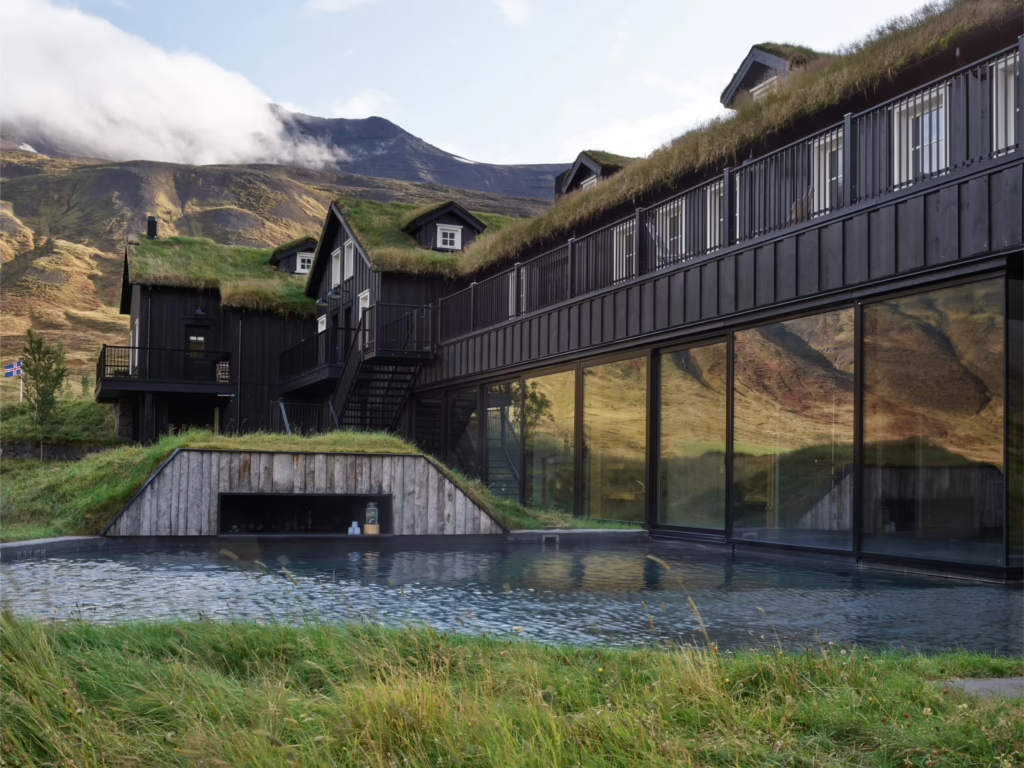
Our tailor-made holidays to Iceland are designed around how you want to experience the country. Take an adventurous road trip, combine Reykjavík with Iceland’s wild landscapes, or plan a luxury Iceland holiday centred around exceptional hotels, private experiences and time in the great outdoors. Our Travel Designers will bring the route, stays and experiences together around you.
Specialist Tip
Iceland’s natural wonders are popular, but visiting early in the morning or later in the evening during the long summer days allows you to experience waterfalls, geysers and glaciers with far fewer people.
Where we’ve been
Map Filters
Explore the region
EXPLORE ICELAND
Our Favourite Places
South Coast & Westman Islands
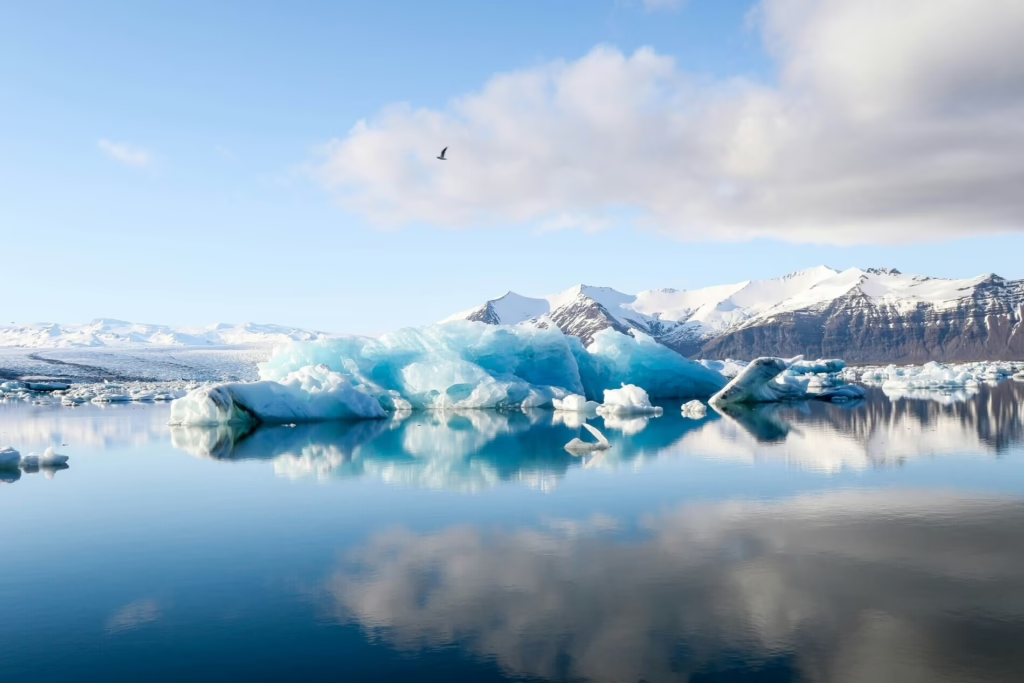
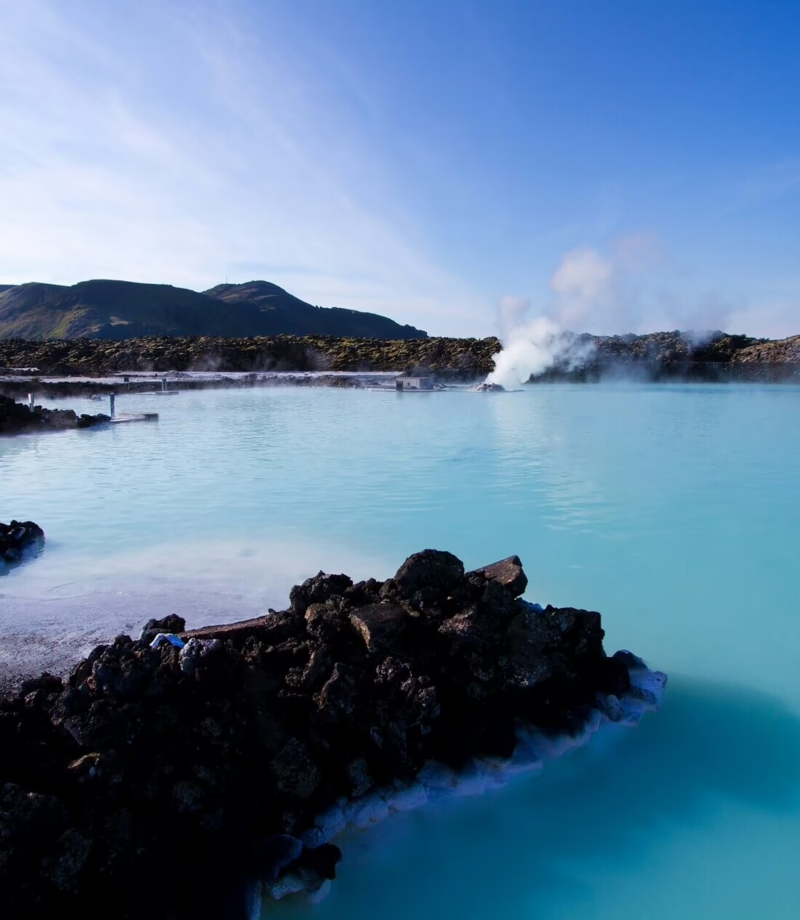
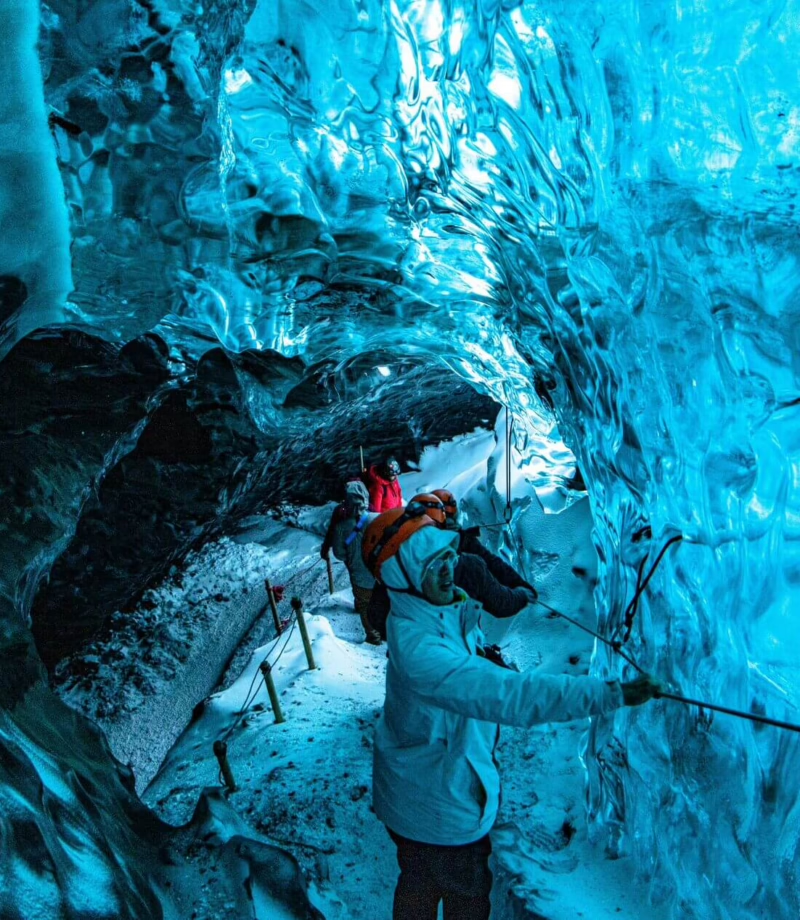
Iceland's South Coast is only a short drive from Reykjavik, yet it feels remote almost immediately, with black sand beaches, glacier lagoons and geothermal baths appearing in quick succession along the route. Ice caves, accessible in winter beneath the glaciers, add a further reason to slow down and stay rather than treat it as a day trip. The Westman Islands, just offshore, bring a working fishing community and dramatic volcanic scenery into the mix. It packs an extraordinary range of landscape into a small area.
Iceland
Iceland
Iceland
True Travel Journal
From finding the right guide to unlocking hidden doors along Rome’s cobbled streets, to knowing which room offers a front-row view of Patagonia’s mountains at first light, or where to find Kyoto’s best counter seat, our journals are filled with the kind of insight that comes from years of travelling, planning and exploring.
Explore destination guides, travel news and stories from our specialists’ travels around the world, from new hotels and destinations to the experiences worth seeking out. Discover fresh ideas and insider knowledge to inspire your next trip.
Quick Answers
The Icelandic Króna (ISK) is the currency, distinct from the Euro despite Iceland’s Nordic neighbours largely using it, since Iceland sits outside the Eurozone. Card payment, including contactless, is so thoroughly embedded here that carrying Króna cash is rarely necessary for any part of a typical trip.
Icelandic is the national language, and while it remains a genuinely distinct and carefully preserved tongue, English is spoken with near-universal fluency across the country, including in the smallest rural guesthouses. This makes Iceland one of the more linguistically effortless destinations for English- speaking visitors anywhere in this region.
Iceland operates on Greenwich Mean Time (GMT) year- round, uniquely never observing daylight saving despite sitting far enough north that seasonal daylight swings dramatically. This means the clock itself never changes, even as the actual hours of daylight shift enormously between a midsummer and midwinter visit.
Yes, tap water throughout Iceland is safe to drink and among the purest in the world, though hot water drawn from geothermal sources can carry a faint sulphur smell, particularly noticeable in showers. This is a natural, harmless characteristic of Iceland’s geothermal supply rather than any fault with the plumbing.
Cards are accepted virtually everywhere in Iceland, including for the smallest purchases and even some public toilets, making this one of the most card-friendly destinations you’re likely to visit. Carrying cash is genuinely unnecessary for the vast majority of a typical Iceland itinerary.
No, tipping isn’t part of Icelandic service culture, and service is already factored into standard pricing across restaurants and tours. Attempting to tip can occasionally cause mild confusion rather than being smoothly accepted, so it’s simplest to treat the quoted price as the full and final amount.
Iceland uses Type C and Type F sockets, the standard European two-pin design, running at 230V. This is a widely recognised shape, so most universal travel adapters handle it without any complication.
A thorough, fully naked shower before entering any pool or geothermal lagoon, Blue Lagoon included, is mandatory and actively monitored by staff, reflecting Iceland’s genuine commitment to keeping shared water genuinely clean without heavy chemical treatment. This isn’t a loosely enforced suggestion, and visitors who skip it are turned back rather than allowed through.
F-roads, Iceland’s mountain and highland routes, are only open in summer and require a 4×4 vehicle due to unbridged river crossings and rough terrain, while winter driving on any road can involve sudden storms and closures with little warning. Checking road.is before setting out each day, rather than relying on a forecast from the previous evening, is genuinely necessary practice here rather than excessive caution.
Iceland is genuinely volcanically active, and minor earthquakes are a normal, harmless part of living on the island, though occasional eruptions can affect specific regions and, rarely, flight schedules. Icelandic authorities monitor activity closely and communicate clearly when any adjustment to travel plans becomes necessary, and your specialist would be in direct contact well before this affected your itinerary.
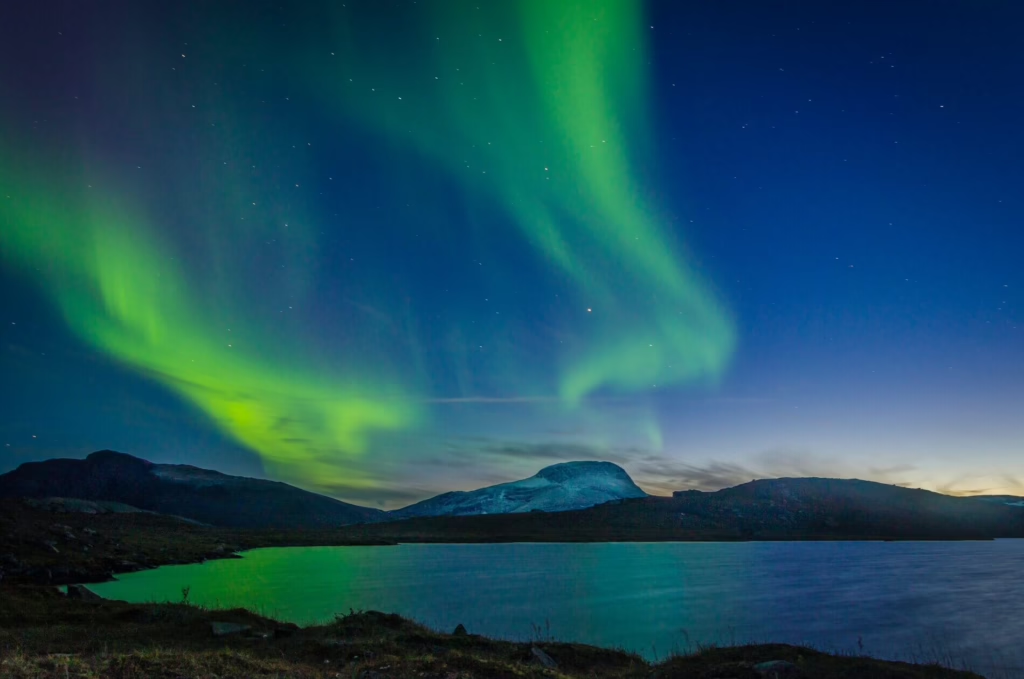
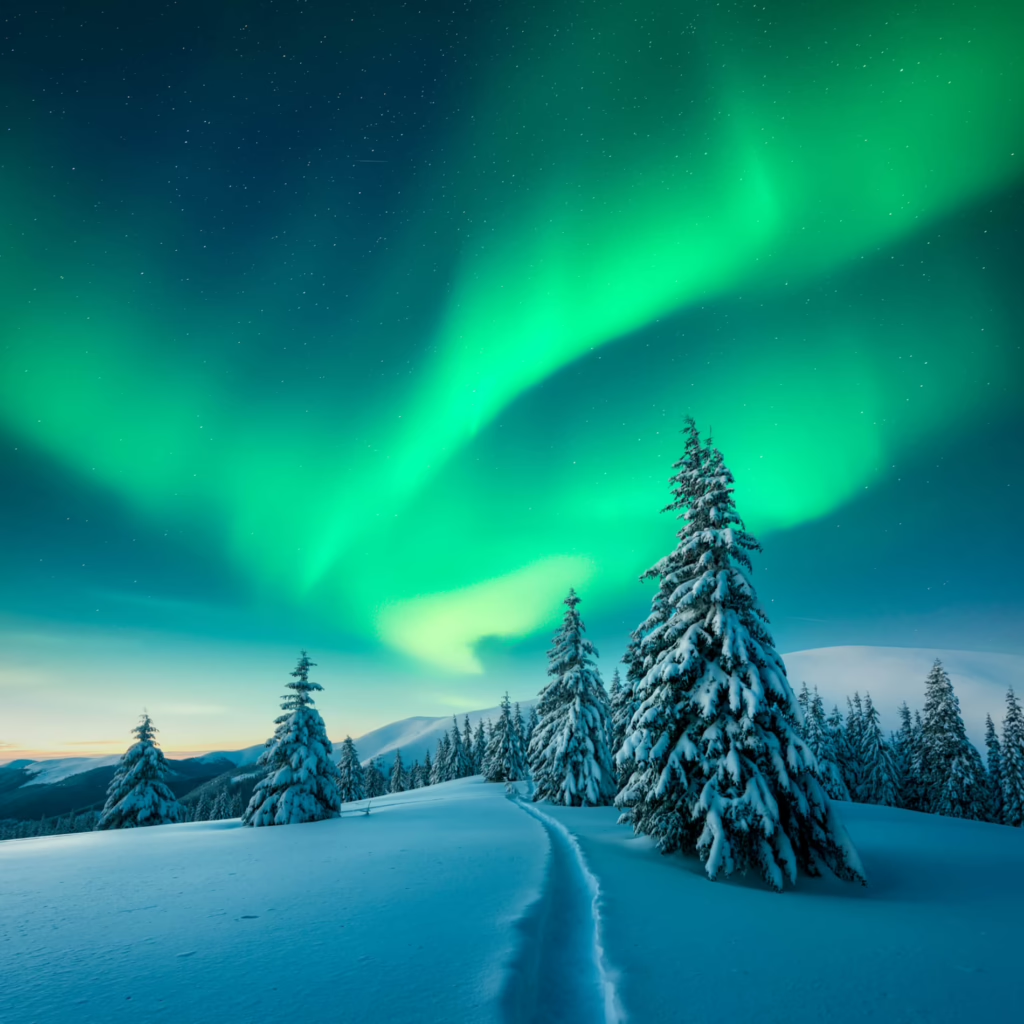
Yes, unlike destinations where aurora viewing requires venturing far from any town, Iceland’s Northern Lights can often be seen from around Reykjavik itself on a clear, dark night between roughly September and April, given how far north the entire country sits. Cloud cover, rather than location, is generally the deciding factor on any given night.
Fill out our trip finder form and find inspiration for your perfect holiday
Trip FinderWhy choose True Travel
Every destination, expertly understood
We only recommend what we know
Truly bespoke, never off-the-shelf
Every itinerary is built around your pace and interests
One specialist, start to finish
The same person from first call to flight home
Trusted for over 13 years
B Corp certified, ATOL protected, Award-winning
Map Filters
Explore everywhere we go
Guided Discovery
Select as many as you like. We'll use your choices to surface ideas from across the world.
Ideas selected for you
·