Specialist Tip
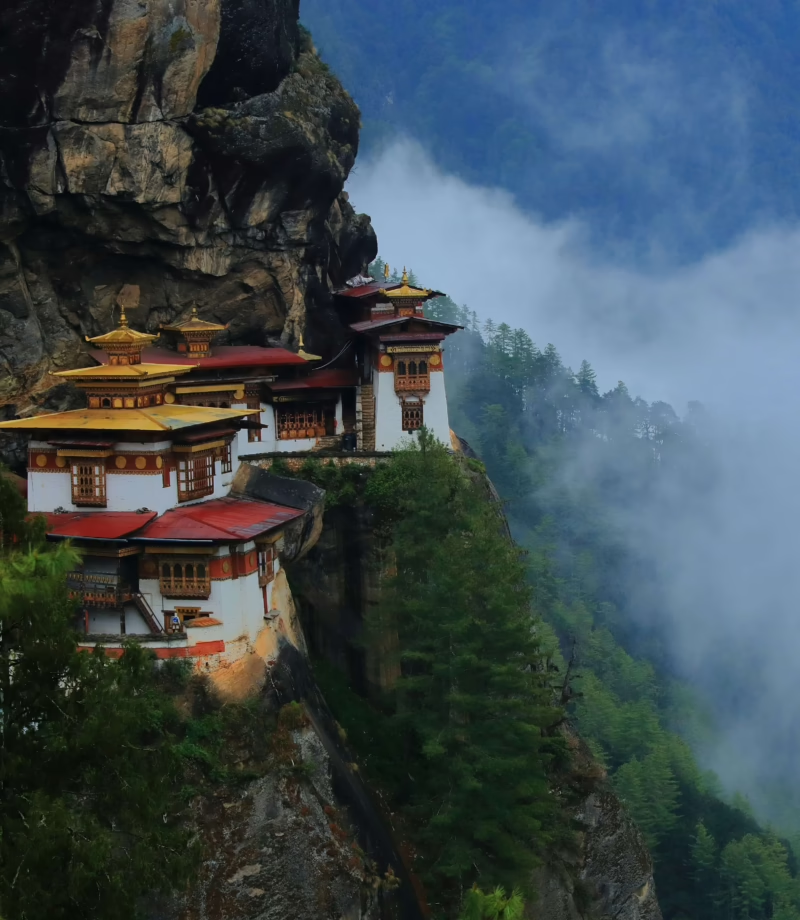
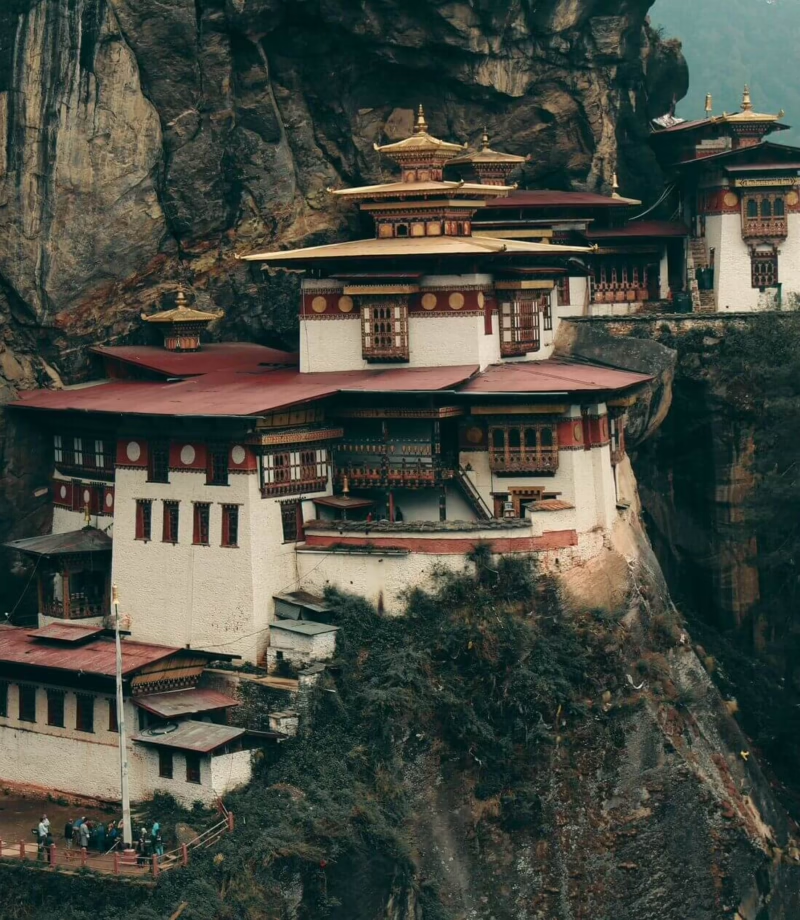
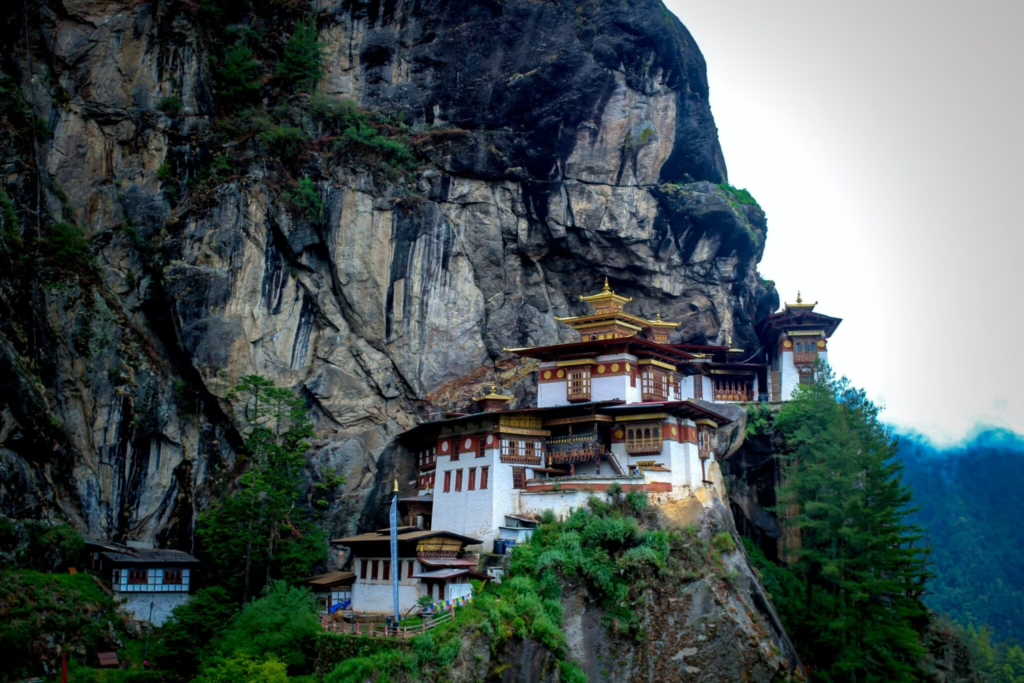
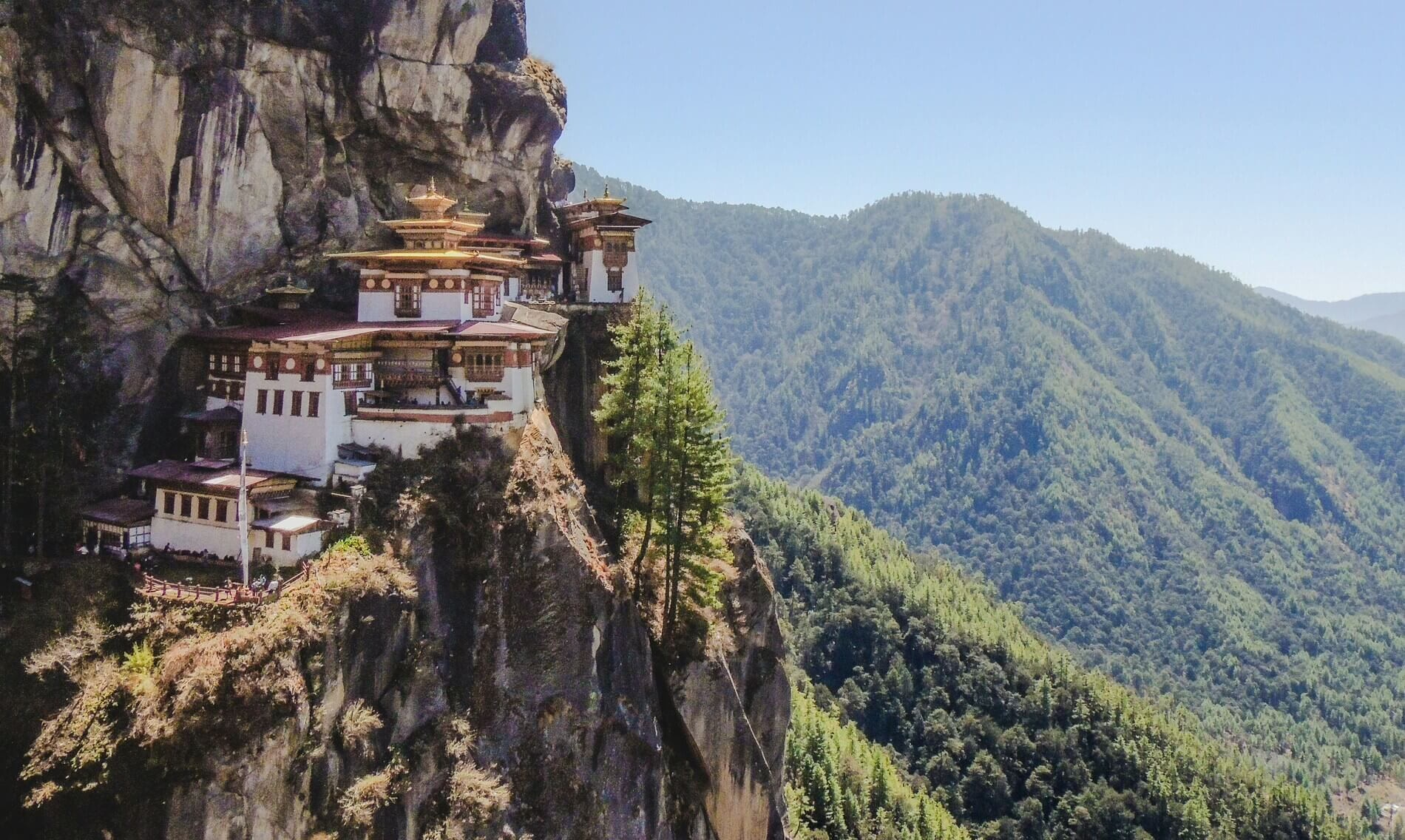
Hike up to the Tiger’s Nest Monastery (Paro Taktsang) toward the end of your trip rather than the beginning. Spending a few days acclimatising to the altitude in Paro and Thimphu beforehand makes the steep ascent far more enjoyable.
Luxury holidays in Bhutan
Bhutan with True Travel
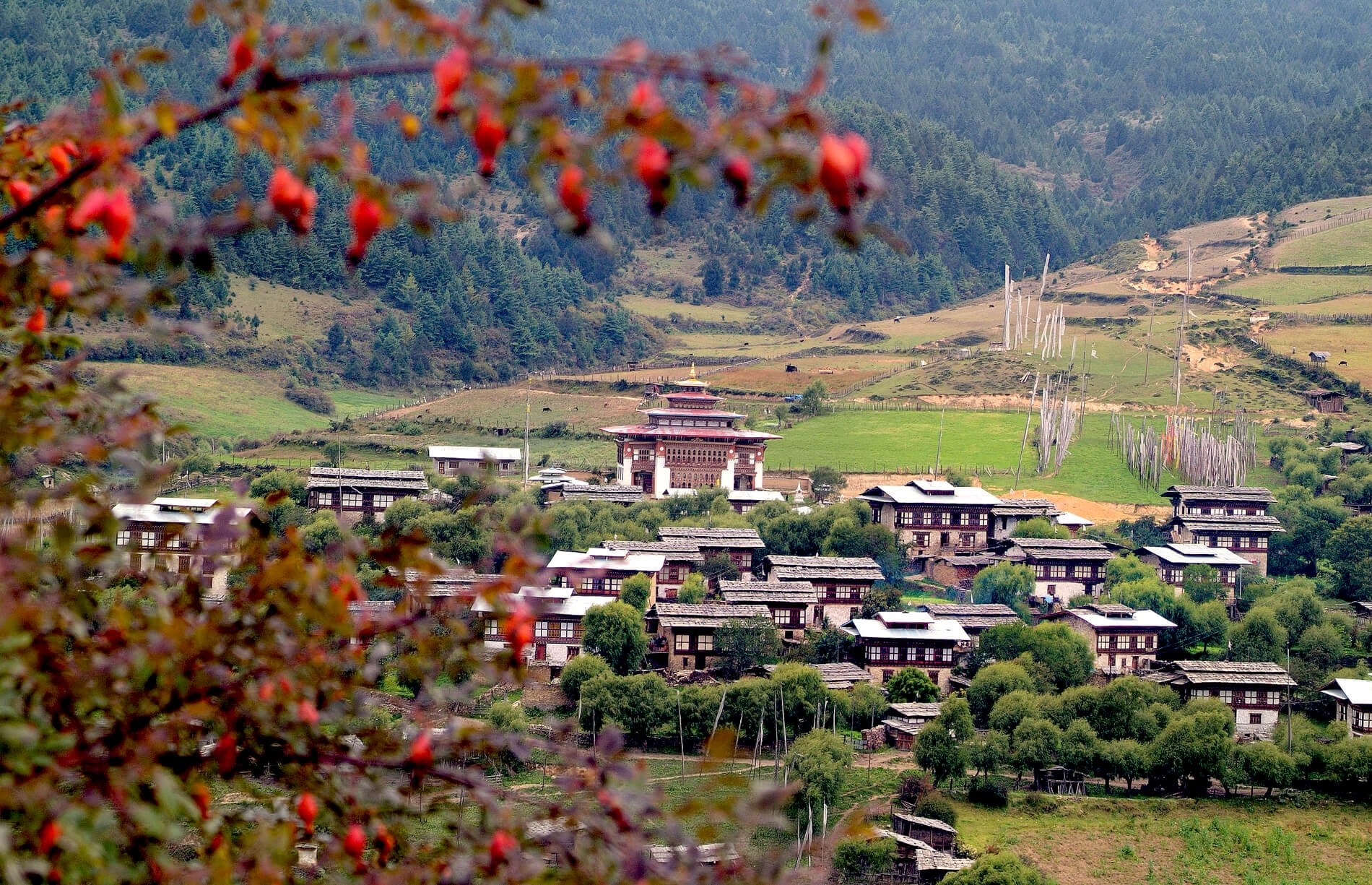
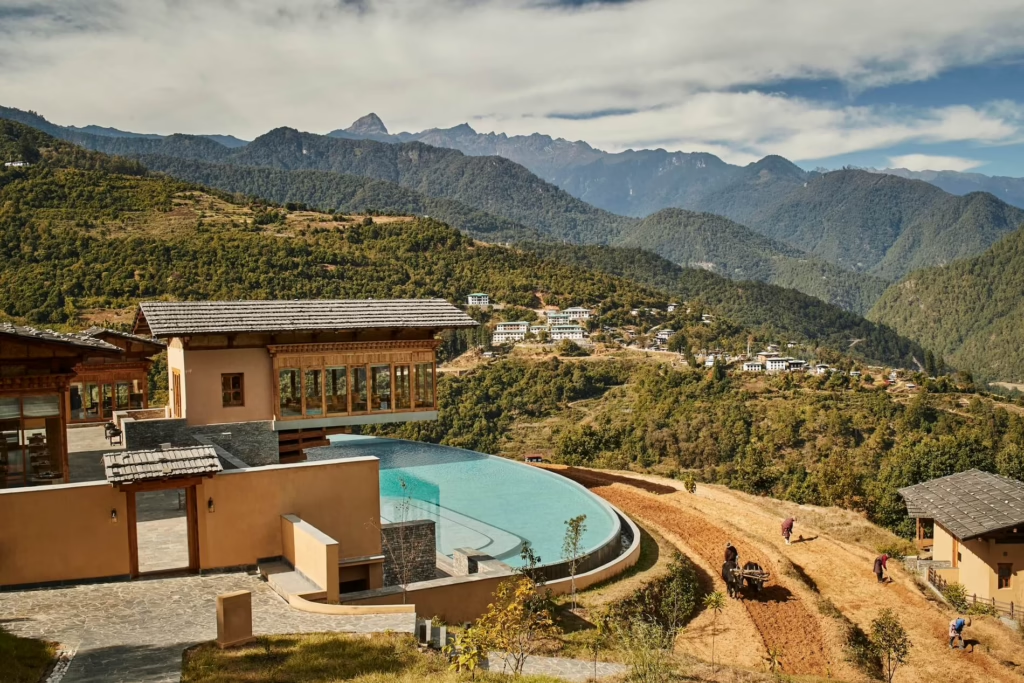
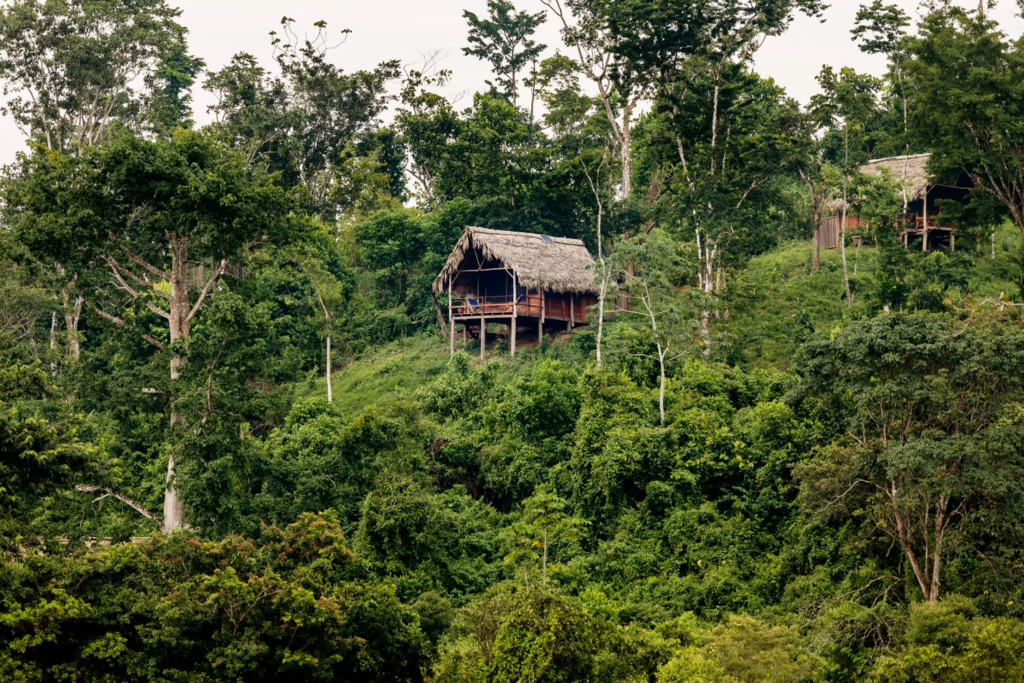
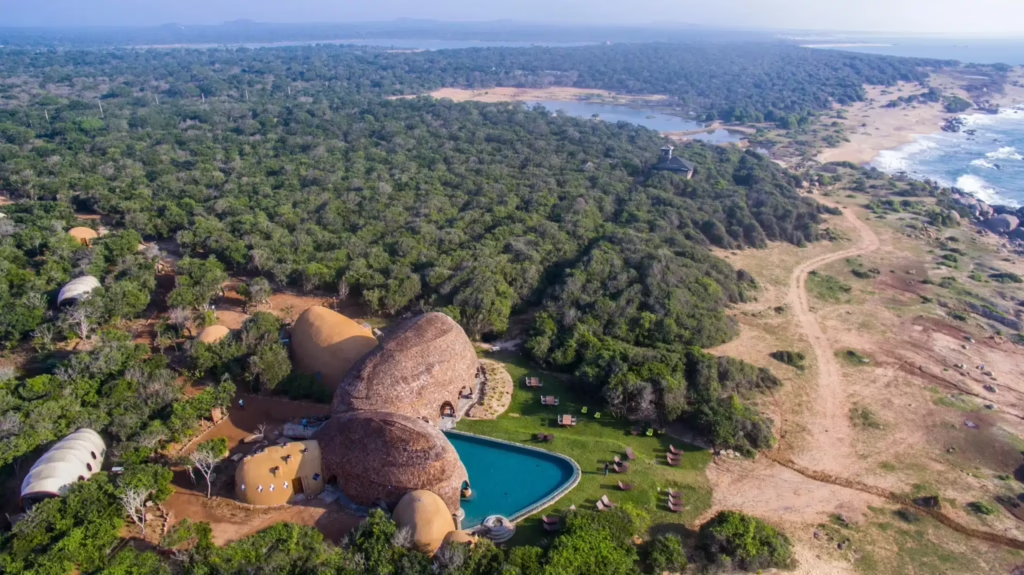
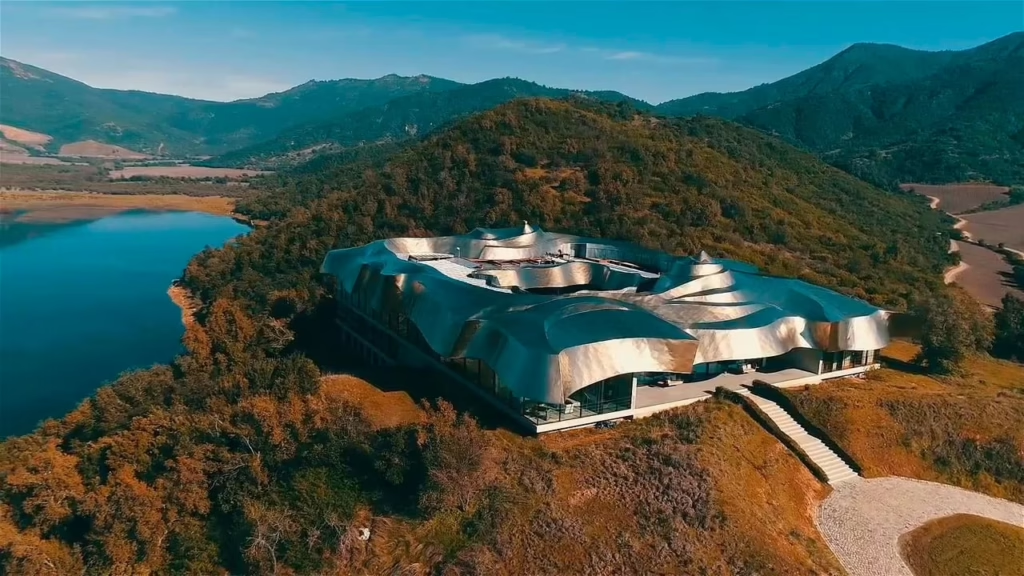
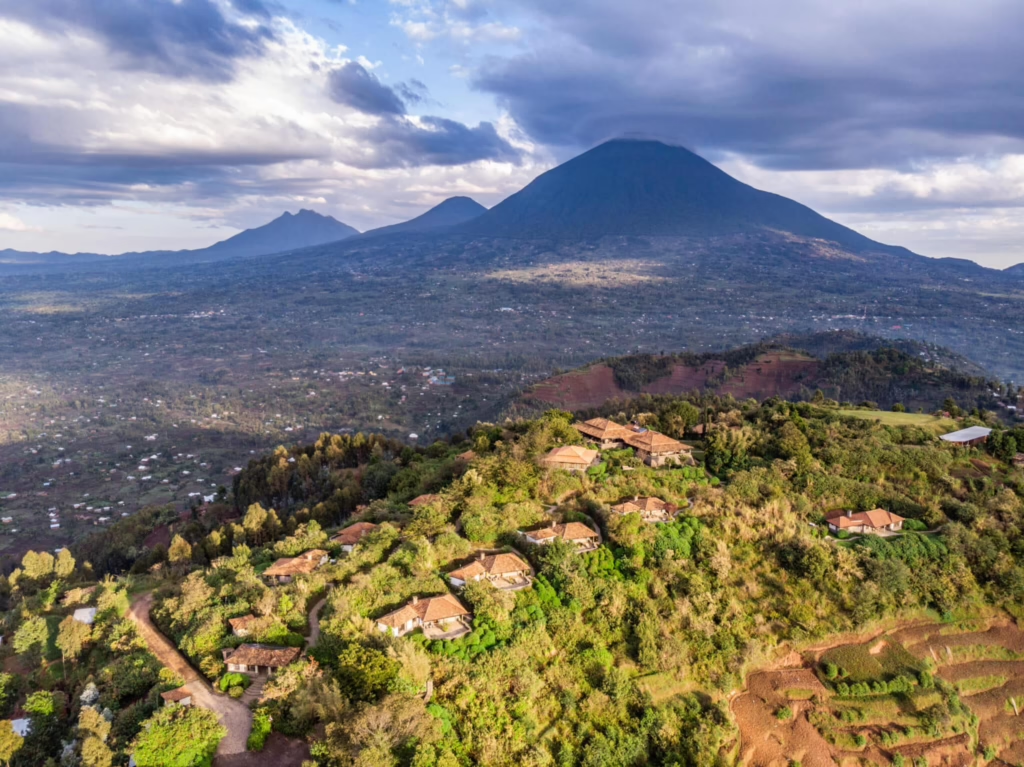
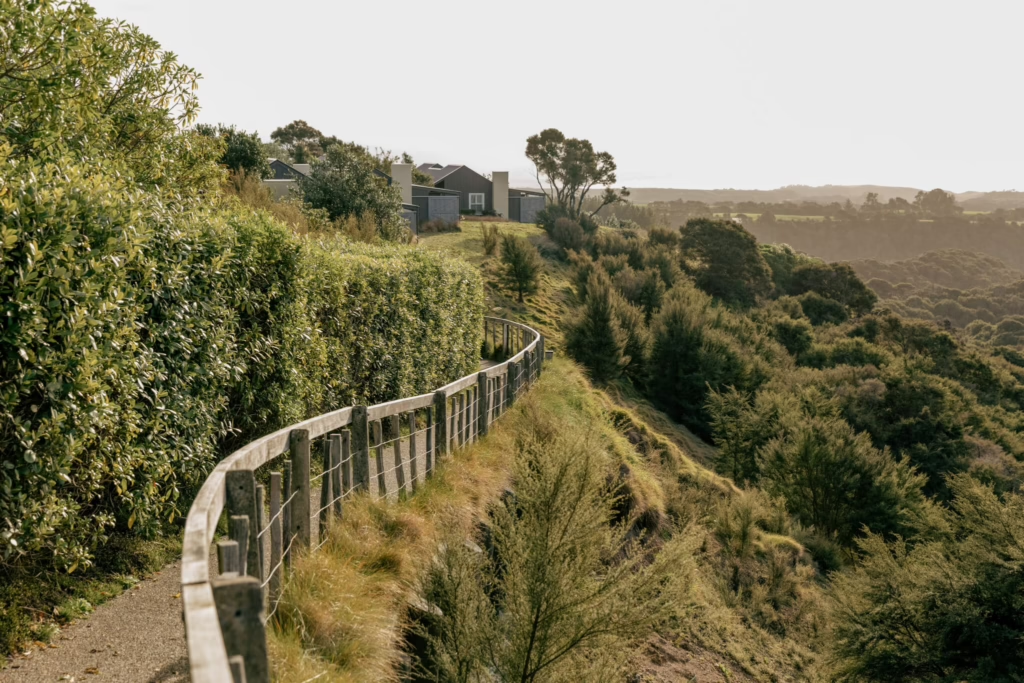
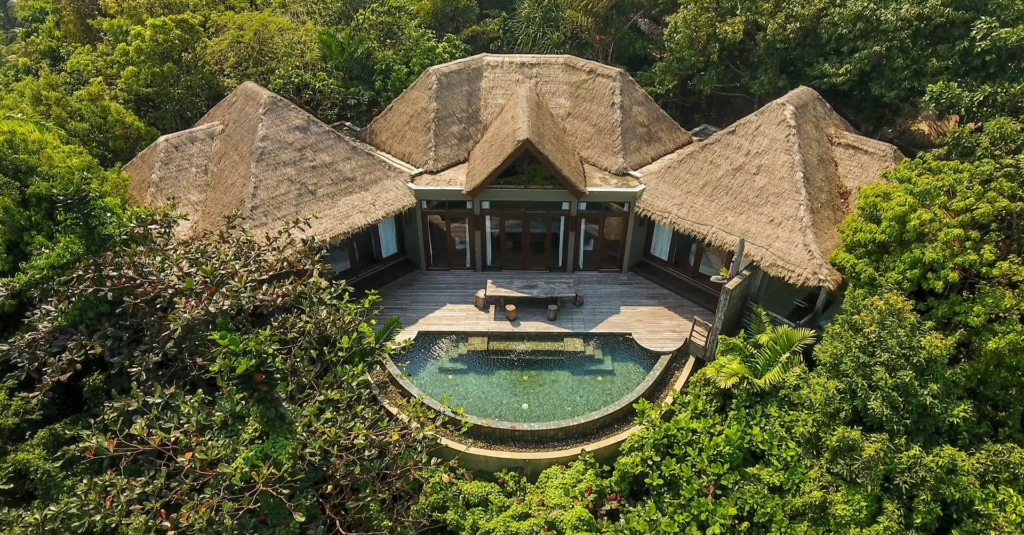
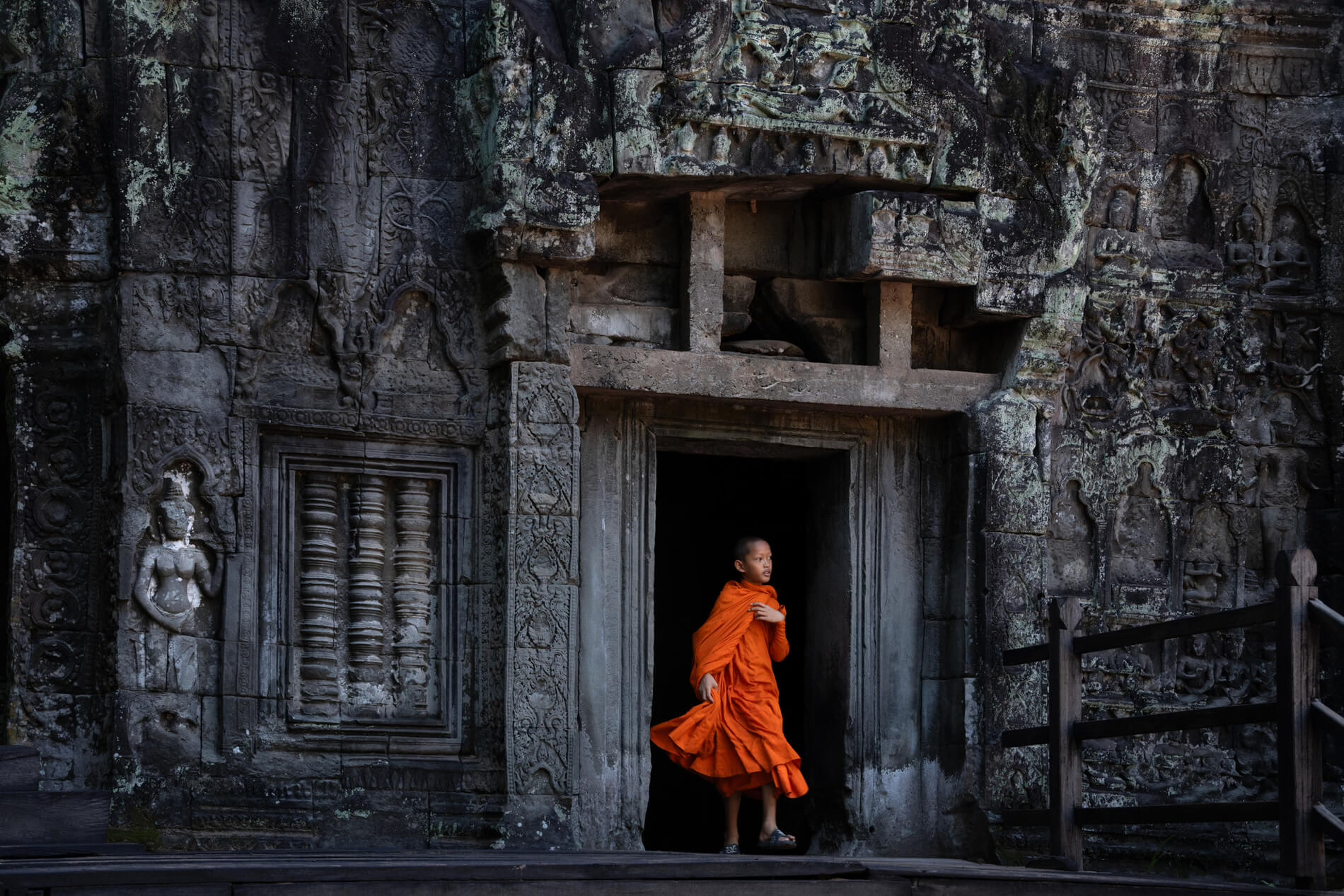
Perched high in the Himalayas, Bhutan feels like a world apart from the rest of Asia. Mist-shrouded mountains, fluttering prayer flags and ancient monasteries shape the landscape, while Buddhism is woven into the rhythm of everyday life. Here, tradition holds firm, the pace is gentler and happiness is valued as highly as progress. Unsurprising, then, to learn that it’s also the world’s first carbon-negative country. See it for yourself as you hike through pine-scented valleys to cliffside temples, cross high mountain passes and wander sleepy villages where centuries-old traditions still hold sway, before dropping your bags at practically levitating lodges tucked high in the mountains.
Start planning your tailor-made holiday to Bhutan or speak to a specialist 0203 930 3998
Specialist Tip
Hike up to the Tiger’s Nest Monastery (Paro Taktsang) toward the end of your trip rather than the beginning. Spending a few days acclimatising to the altitude in Paro and Thimphu beforehand makes the steep ascent far more enjoyable.
Where we’ve been
Map Filters
Explore the region
Journeys we love
Each of our journeys starts from a conversation. Every detail, from the route to the hotels, is built and rebuilt around you until it fits. To provide you a taste of what True Travel can create, our team of global destination specialists have created a selection of suggested journeys, from our recent travels. Get in touch to start planning your next adventure.
EXPLORE BHUTAN
Our Favourite Places
Bumthang
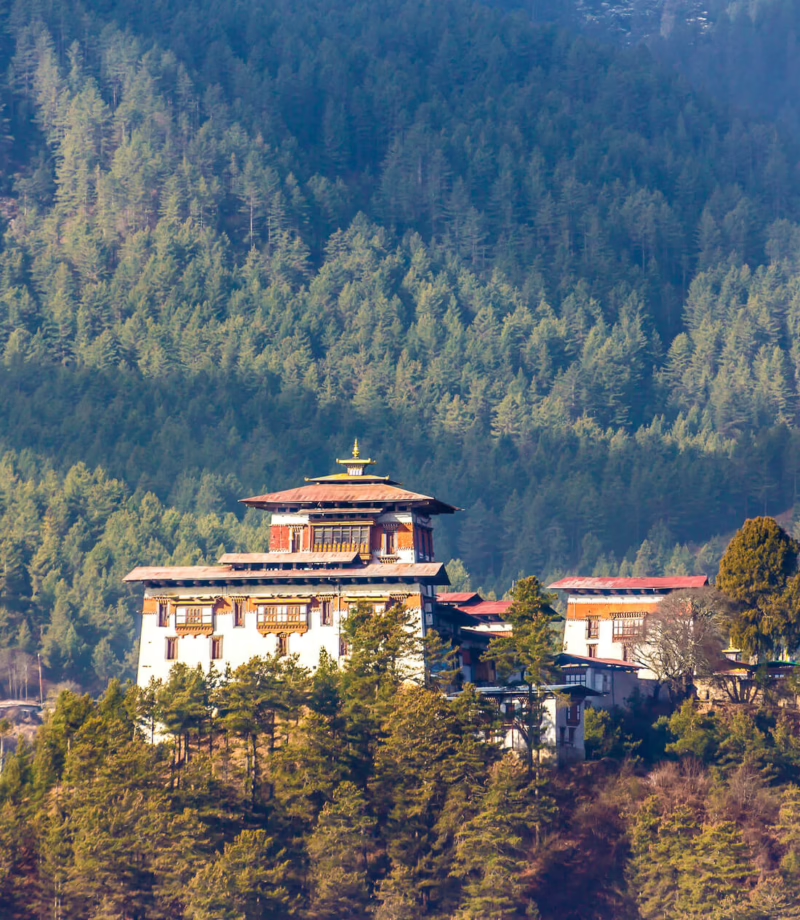
Bumthang sits at the spiritual heart of central Bhutan, a valley region long regarded as the country's most sacred. Jakar Dzong presides over the valley floor, and the nearby Trongsa Monastery draws pilgrims and travellers alike, particularly during the local festivals when masked dances spill out into the courtyards. What stays with most visitors is the pace: this is Bhutan slowed right down, best explored on foot between valleys rather than rushed between sights.
HOW WE TRAVEL DIFFERENTLY
Explore a selection of our hand-picked experiences our Travel Designers can build into your holiday, from hiking to the Tigers Nest Monastery to meeting a member of Paliament.
Bhutan
Bhutan
Bhutan
Bhutan
True Travel Journal
From finding the right guide to unlocking hidden doors along Rome’s cobbled streets, to knowing which room offers a front-row view of Patagonia’s mountains at first light, or where to find Kyoto’s best counter seat, our journals are filled with the kind of insight that comes from years of travelling, planning and exploring.
Explore destination guides, travel news and stories from our specialists’ travels around the world, from new hotels and destinations to the experiences worth seeking out. Discover fresh ideas and insider knowledge to inspire your next trip.
.
Quick Answers
The Bhutanese Ngultrum (BTN) is the local currency, pegged one-to-one with the Indian Rupee, which is also accepted as legal tender throughout the country. This means Rupees carried over from a wider South Asia itinerary spend without needing to be exchanged first, though change is typically given in Ngultrum.
Dzongkha is the official national language, though English has been the medium of education in Bhutan for decades, making it unusually widely spoken and understood across the country compared with many of its neighbours. Guides and hotel staff operate confidently in English throughout, so this is rarely a practical concern.
The Sustainable Development Fee is a mandatory daily charge levied on all visiting tourists, funding conservation, healthcare and education, and it’s arranged in advance through your licensed tour operator rather than paid separately during the trip. It does not typically cover flights, so it’s worth confirming with your specialist exactly what’s included in your specific package.
Bhutan operates on Bhutan Time (BTT, UTC+6) year- round, with no daylight saving changes and a single time zone across the entire country. This is a straightforward one-hour adjustment if you’re arriving from most of India, but worth checking against wherever your journey begins.
Tap water is not recommended for drinking anywhere in Bhutan, including Thimphu and Paro. Bottled or filtered water is provided as standard at hotels and lodges and should be your default throughout, particularly given the physical demands of trekking at altitude.
Card acceptance is limited outside a handful of larger hotels in Thimphu and Paro, and much of your trip, including guides, drivers and local purchases, is best planned around cash. Indian Rupees or Ngultrum in small denominations cover incidental spending, since your main trip costs are typically settled in advance through your operator.
Tipping isn’t a deeply traditional custom but has become a genuine and appreciated part of the guide and driver relationship, given how closely you’ll work with the same small team throughout a licensed Bhutan itinerary. Your specialist can advise on appropriate amounts, generally given in cash directly at the end of the trip.
Bhutan uses a mix of Type C, D, F and G sockets depending on the property, running at 230V. A universal adapter is worth packing given how much this varies from one hotel or lodge to the next, particularly outside Thimphu and Paro.
Mobile coverage in Thimphu and Paro is reasonably reliable, and a local SIM is straightforward to arrange on arrival for calls and data. Coverage drops away significantly once you’re trekking in more remote valleys, which most visitors find suits the reflective, unhurried character of a Bhutan itinerary rather than detracting from it.
Yes, dzongs, Bhutan’s fortress- monasteries that combine religious and administrative functions, require long sleeves, closed shoes and coverage to at least the knee, with shorts and sleeveless tops not permitted inside. This is consistently enforced rather than loosely applied, so packing at least one appropriately modest outfit for dzong visits is worth doing regardless of the rest of your wardrobe.
Photography is generally not permitted inside the main prayer halls and shrine rooms of temples and dzongs, even though photographing the courtyards and exteriors is usually fine. This is worth knowing in advance so it doesn’t feel like a disappointing surprise partway through a visit, and your guide will confirm exactly where the line falls at each specific site.
Yes, the hike to Paro Taktsang (Tiger’s Nest) climbs to over 3,000 metres, and some visitors notice breathlessness or fatigue at this elevation even with reasonable fitness, particularly if attempted on the first day after arrival. Allowing a day to acclimatise in Paro before attempting the hike, and pacing the climb rather than rushing it, makes a genuine difference to how manageable it feels.
Fill out our trip finder form and find inspiration for your perfect holiday
Trip FinderWhy choose True Travel
Every destination, expertly understood
We only recommend what we know
Truly bespoke, never off-the-shelf
Every itinerary is built around your pace and interests
One specialist, start to finish
The same person from first call to flight home
Trusted for over 13 years
B Corp certified, ATOL protected, Award-winning
Map Filters
Explore everywhere we go
Guided Discovery
Select as many as you like. We'll use your choices to surface ideas from across the world.
Ideas selected for you
·