Specialist Tip
Island hopping in Greece works best when you keep transfers simple. Stick to one island group, such as the Cyclades or Ionian Islands, to minimise ferry time and maximize time enjoying local tavernas, quiet coves and ancient ruins.
Luxury holidays in Greece
A land shaped by legend, gods and spanakopita
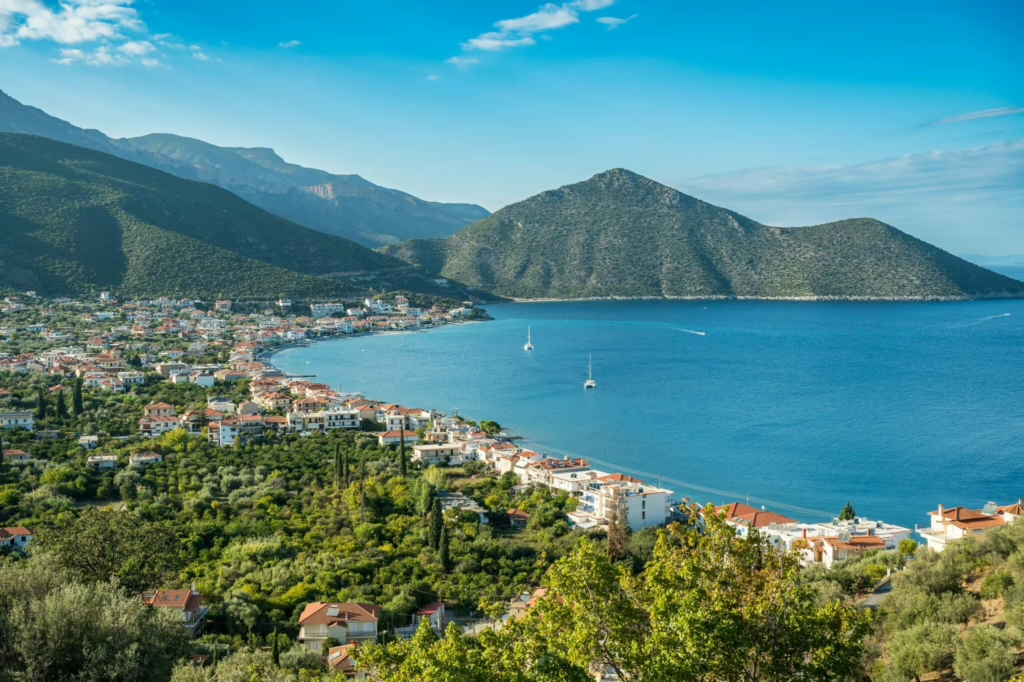
With 17 UNESCO World Heritage sites, 6,000 islands and 9,941 miles of coastline, as well as a formidable history that spans four millennia, Greece is a country that won’t leave you feeling shortchanged. On its mainland, Athens and the Peloponnese hold the torch for the country’s heritage; a tapestry of temples, palaces, forts and monasteries. While across its archipelago, scattered between the Aegean and Ionian seas, sit idyllic islands offering the simple pleasures of drinking local wines in cliffhugging vineyards, sailing across cerulean seas on private charters and eating fresh seafood seconds from where it was caught.
Start planning your tailor-made Greece holiday
Speak to a Europe specialist: 0203 930 3998
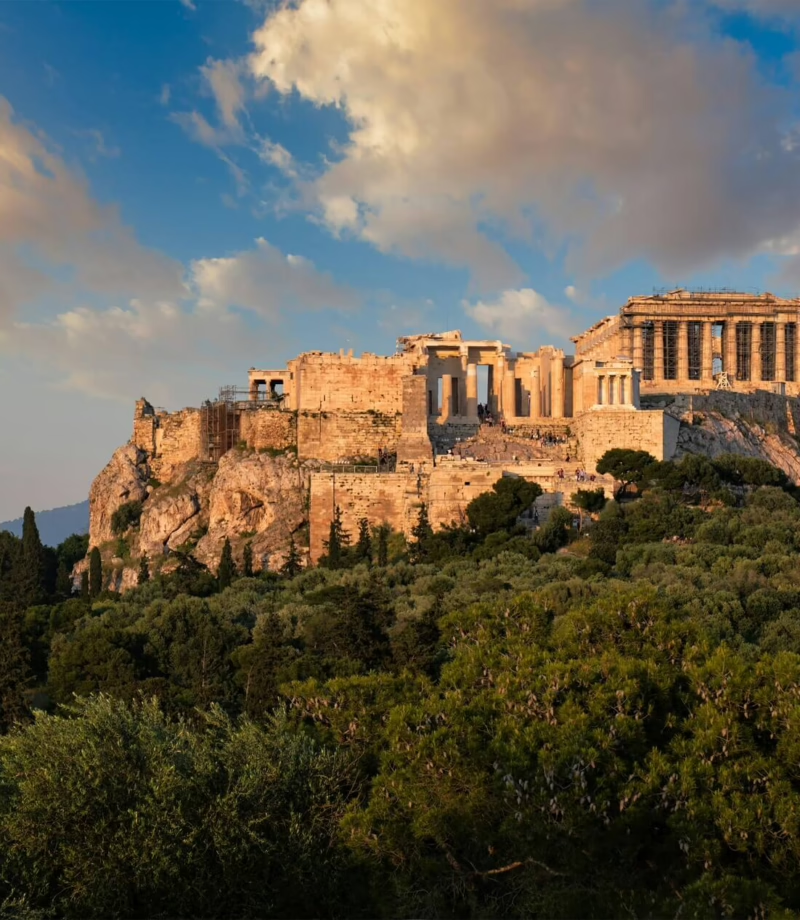
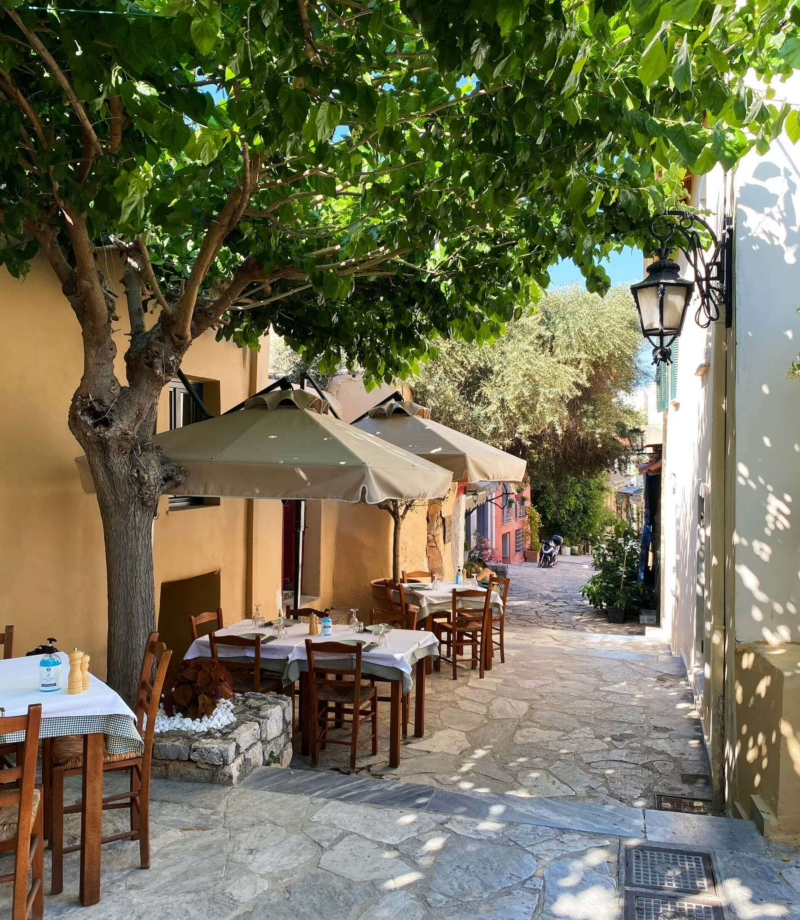
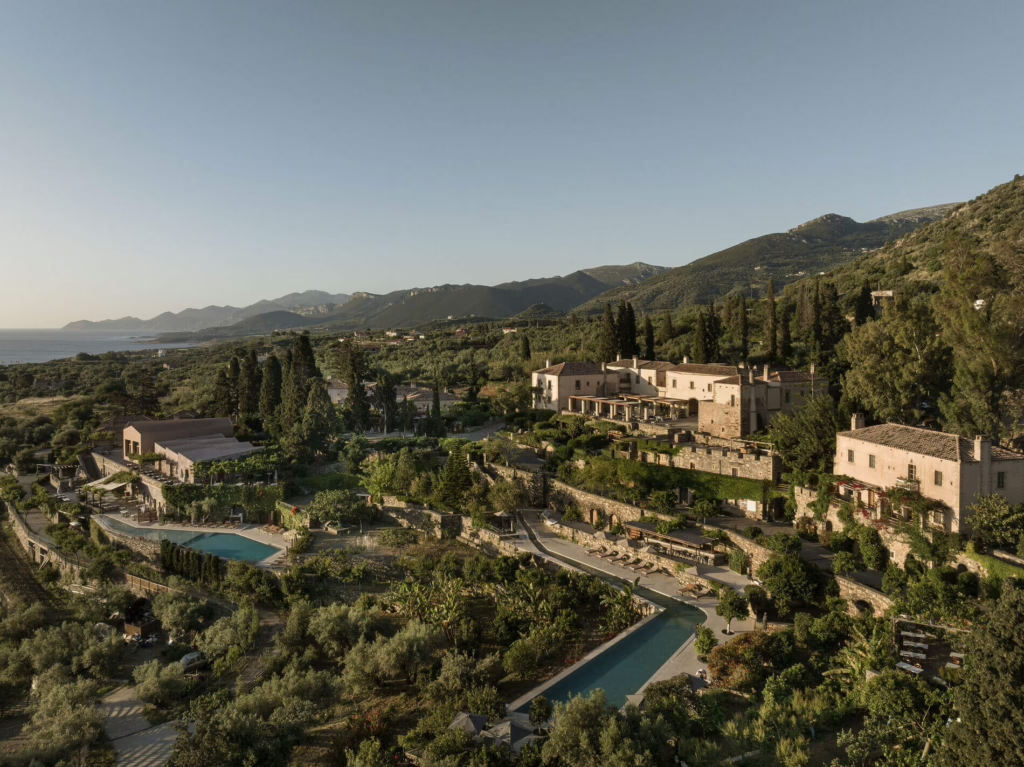
Come for the history. Start your Greece holiday in Athens, where the Acropolis rises above a city of rooftop restaurants, lively markets and neighbourhood tavernas. Then head into the Peloponnese to explore ancient sites, Byzantine towns and a coastline dotted with quiet beaches and fishing villages.
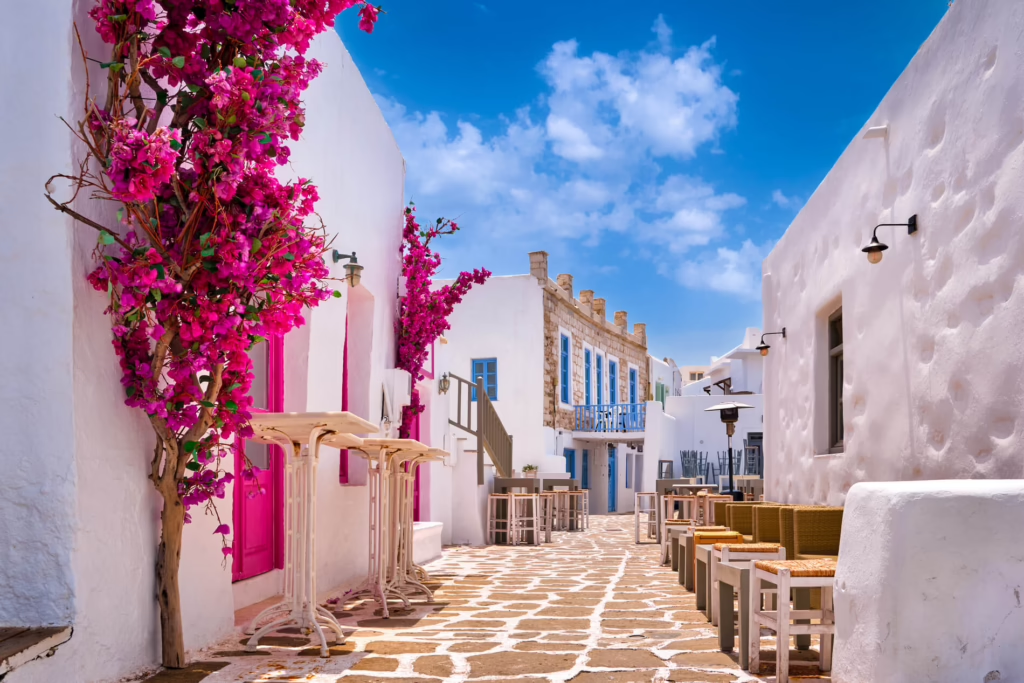
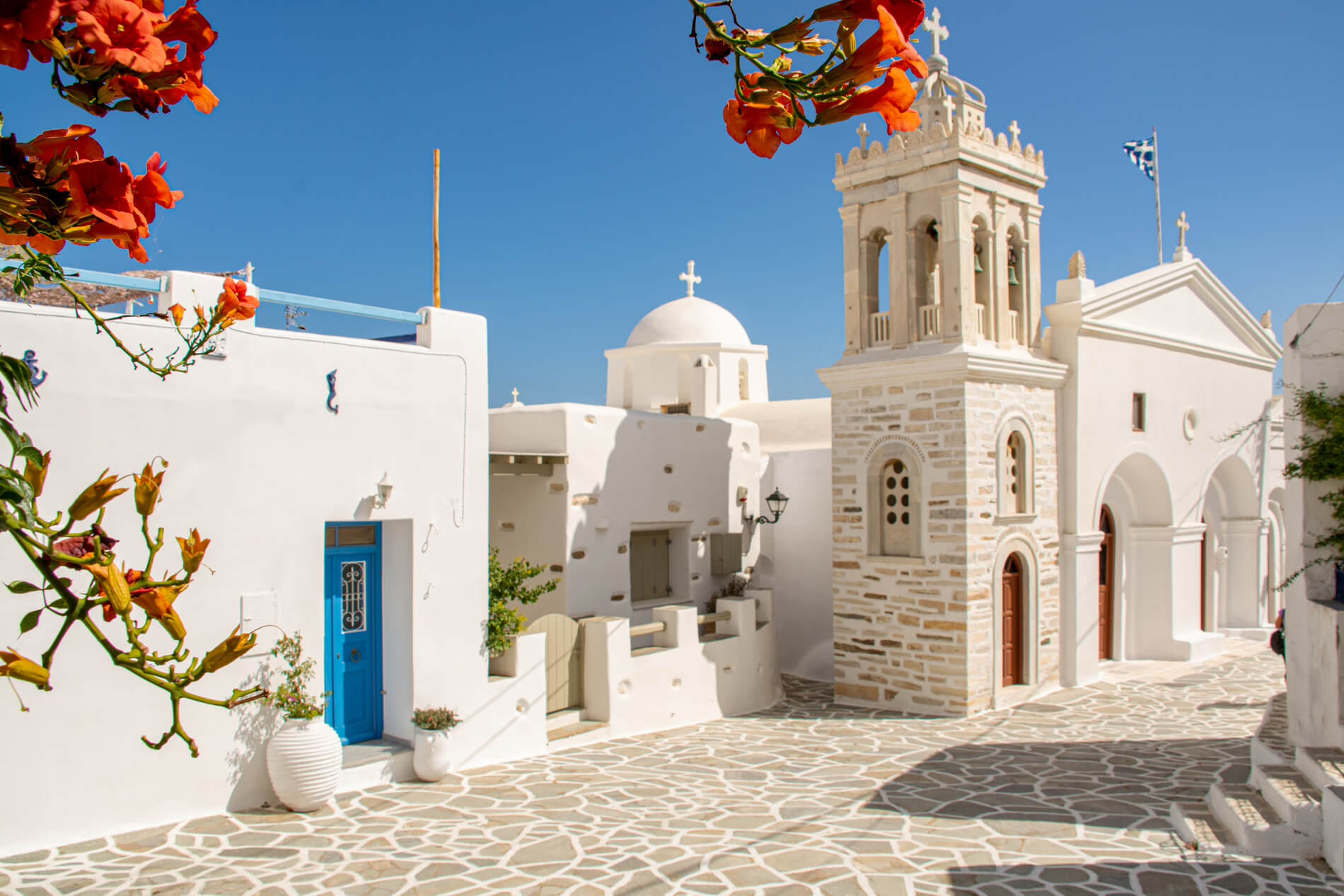
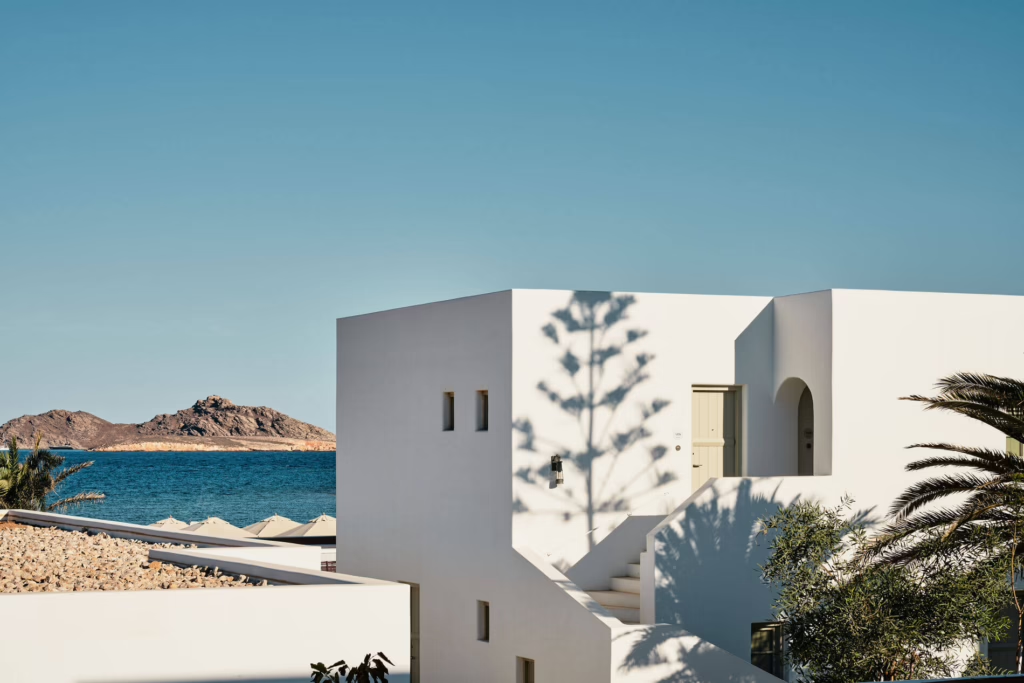
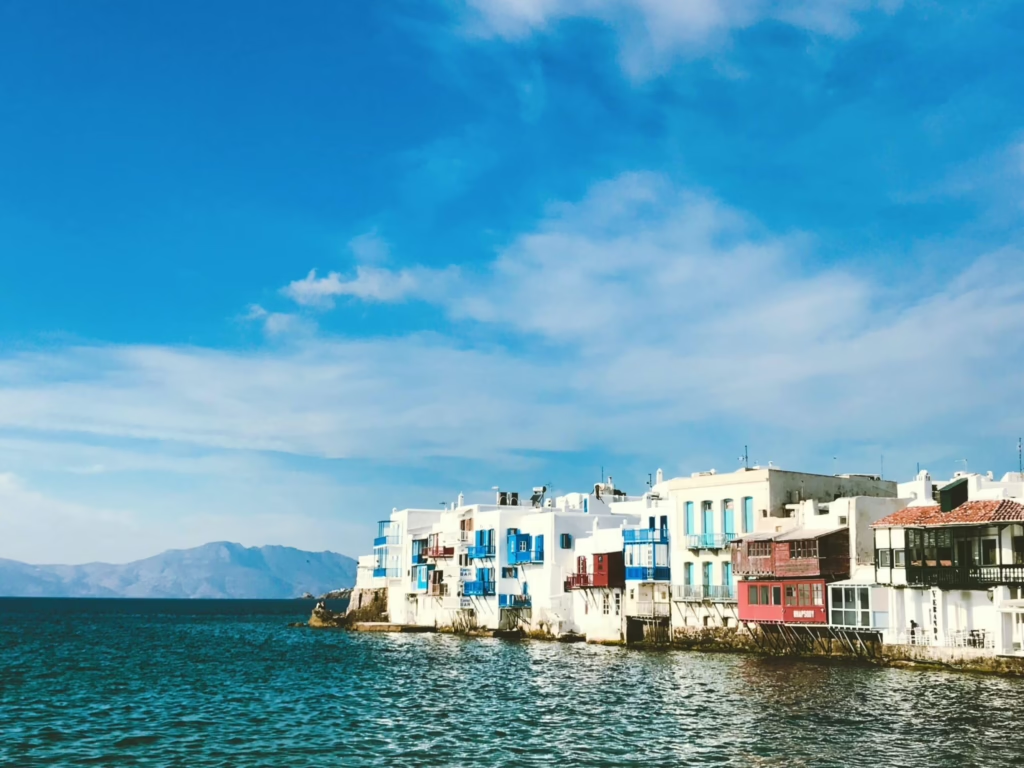
Stay for the islands. Spend time in Paros, where whitewashed villages and sandy beaches give way to a quieter side of the Cyclades, or head to Crete for ancient ruins, mountain landscapes and some of Greece’s best food. In Santorini, explore volcanic landscapes, vineyards and clifftop villages before watching the sun set over the Aegean.
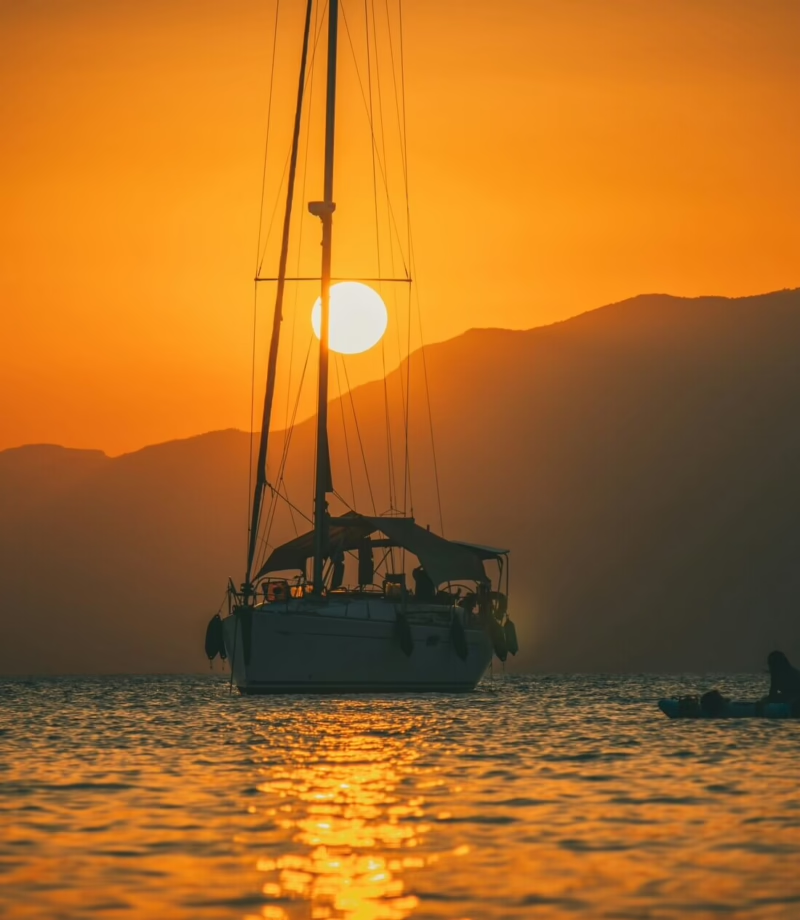
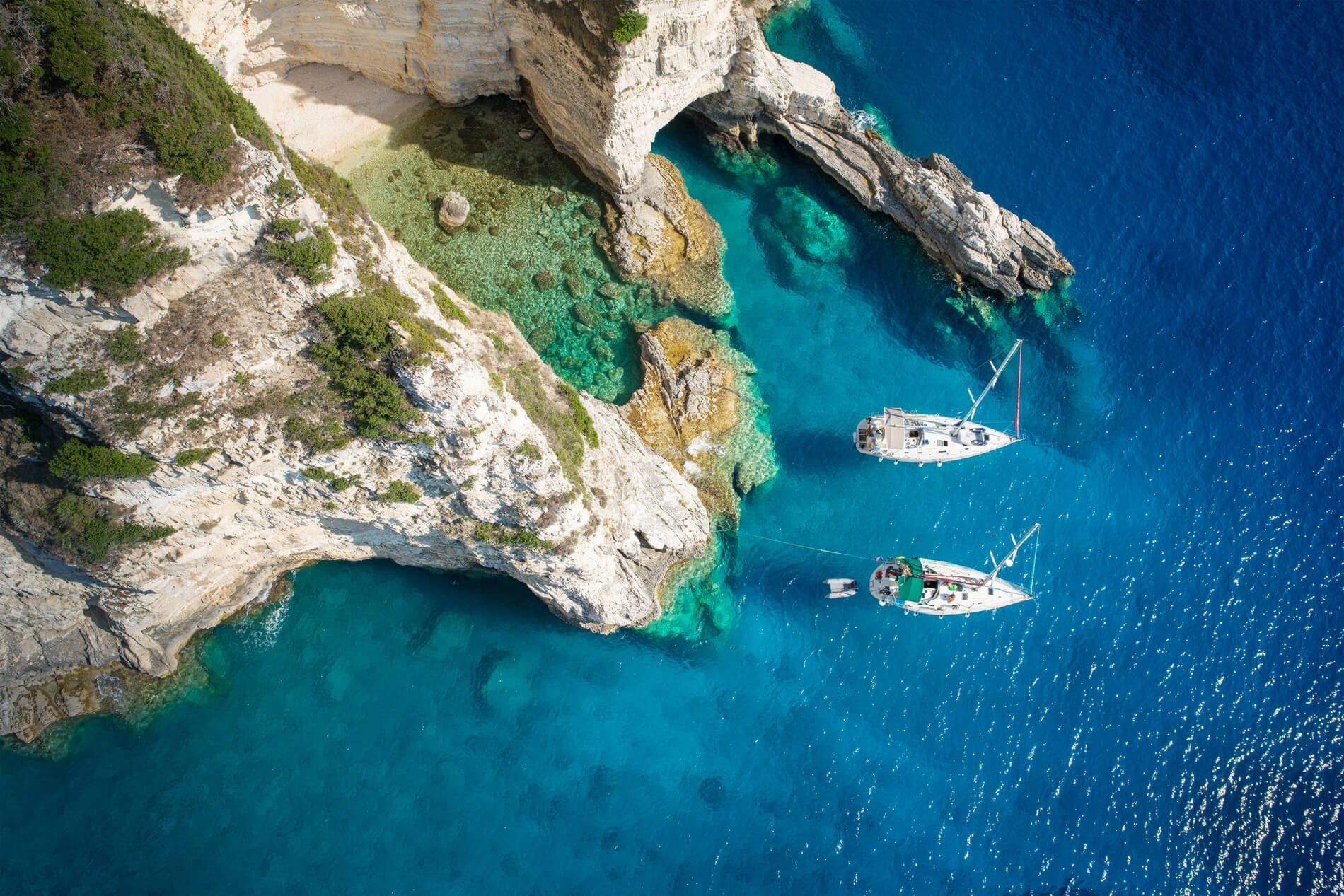
See it from the sea. A private sailing trip is one of the best ways to experience a Greek island holiday. Spend your days moving between hidden coves and tiny islands, swimming in clear Aegean waters and stopping for lunch in waterfront tavernas. True’s itineraries pair island-hopping with private boat trips, wine tasting and time to explore on land.
Whether you’re planning a summer escape, honeymoon or luxury holiday to Greece, we’ll build your trip around the experiences you want most. From private guides and sailing trips to hand-picked hotels and memorable meals, our tailor-made holidays to Greece are designed to make the most of your time in the country.
Specialist Tip
Island hopping in Greece works best when you keep transfers simple. Stick to one island group, such as the Cyclades or Ionian Islands, to minimise ferry time and maximize time enjoying local tavernas, quiet coves and ancient ruins.
Where we’ve been
Map Filters
Explore the region
EXPLORE GREECE
Our Favourite Places
Paros
Paros sits between Mykonos and Naxos in the Cyclades, and has increasingly become the choice for travellers who want the island-hopping look of the Aegean without Mykonos's crowds or prices. Naoussa, its main town, keeps a working fishing harbour alongside its restaurants and boutiques, and marble quarried on the island was used in some of antiquity's most significant sculptures. Beaches here range from sheltered coves to genuinely good windsurfing spots, giving Paros a broader appeal than many of its neighbours.
Greece
Greece
True Travel Journal
From finding the right guide to unlocking hidden doors along Rome’s cobbled streets, to knowing which room offers a front-row view of Patagonia’s mountains at first light, or where to find Kyoto’s best counter seat, our journals are filled with the kind of insight that comes from years of travelling, planning and exploring.
Explore destination guides, travel news and stories from our specialists’ travels around the world, from new hotels and destinations to the experiences worth seeking out. Discover fresh ideas and insider knowledge to inspire your next trip.
Quick Answers
The Euro (EUR) is the currency, and ATMs are widely available in Athens and the main island towns, so there’s little need to arrange currency before you travel. Contactless card payment is standard for most transactions, though smaller island tavernas and shops sometimes still prefer cash.
Greek is the national language, and English is spoken confidently across tourism-heavy islands and Athens, though it becomes noticeably less common in smaller, less-visited villages. Guides and hotel staff throughout the main tourist areas operate comfortably in English regardless of specific island.
Greece operates on Eastern European Time (EET, UTC+2) in winter and Eastern European Summer Time (EEST, UTC+3) in summer, a full hour ahead of much of Western Europe including France and Italy. This is worth checking specifically if your itinerary combines Greece with a Western European leg.
This depends genuinely on which island, since Athens and some larger islands have treated water safe to drink, while many smaller islands rely on desalination or limited freshwater supplies and bottled water is the standard, recommended default. Checking with your specific hotel on arrival, rather than assuming island tap water is universally safe or unsafe, is the more accurate approach.
Cards are accepted at most hotels, restaurants and larger shops across Athens and the main islands, but smaller family-run tavernas, beach bars and market stalls often expect cash. Euros in small denominations are worth carrying, particularly on quieter islands where card machines can be unreliable.
Tipping isn’t obligatory, but rounding up a bill or leaving small change for good service is genuinely appreciated and common practice across restaurants and tavernas. It’s a more relaxed expectation than some destinations, closer to a thank-you gesture than a required part of the transaction.
Greece uses Type C and Type F sockets, the standard European two-pin design, running at 230V. This is a widely recognised shape covered by virtually any universal travel adapter.
Many smaller shops and businesses, particularly outside Athens and on the islands, close for several hours in the early afternoon during the hottest part of the day and reopen in the early evening, a long-standing rhythm suited to Greek summer heat. Planning shopping or errands for the morning or evening, rather than assuming everything stays open continuously through the afternoon, avoids arriving to find doors shut.
The meltemi, a strong seasonal wind that picks up particularly in July and August, can suspend ferry services between islands with little advance notice, especially on smaller or faster vessels more affected by rough water. Building a buffer day into any multi-island itinerary during peak meltemi season, rather than scheduling back-to-back island transfers, protects against a genuinely common and unpredictable disruption.
Hydrofoils and high-speed catamarans cut journey time considerably compared with a conventional ferry, but they’re more susceptible to cancellation in rough weather and generally more exposed to a bumpier ride on choppy days. For a shorter transfer in calm conditions the speed is a genuine advantage, but a conventional ferry is often the steadier, more reliable choice during windier stretches of the season.
Fill out our trip finder form and find inspiration for your perfect holiday
Trip FinderWhy choose True Travel
Every destination, expertly understood
We only recommend what we know
Truly bespoke, never off-the-shelf
Every itinerary is built around your pace and interests
One specialist, start to finish
The same person from first call to flight home
Trusted for over 13 years
B Corp certified, ATOL protected, Award-winning
Map Filters
Explore everywhere we go
Guided Discovery
Select as many as you like. We'll use your choices to surface ideas from across the world.
Ideas selected for you
·