Specialist Tip
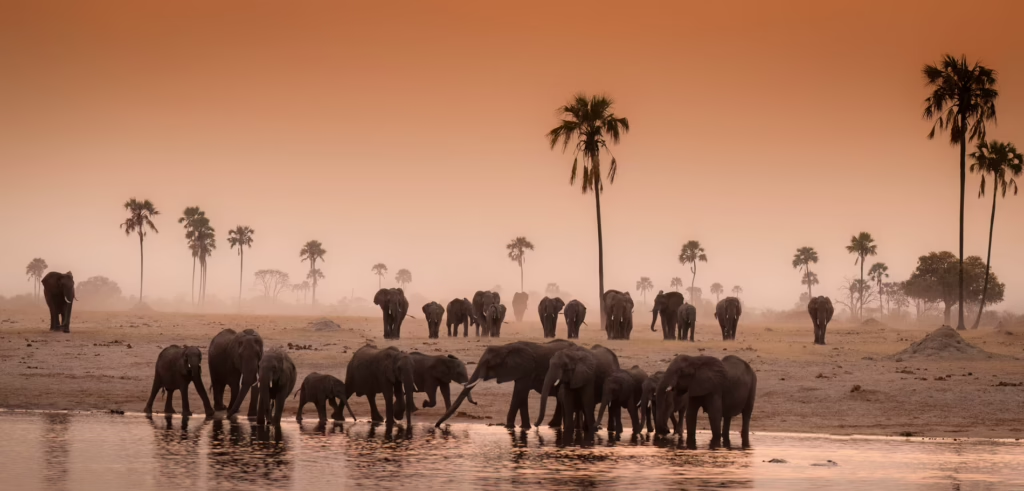
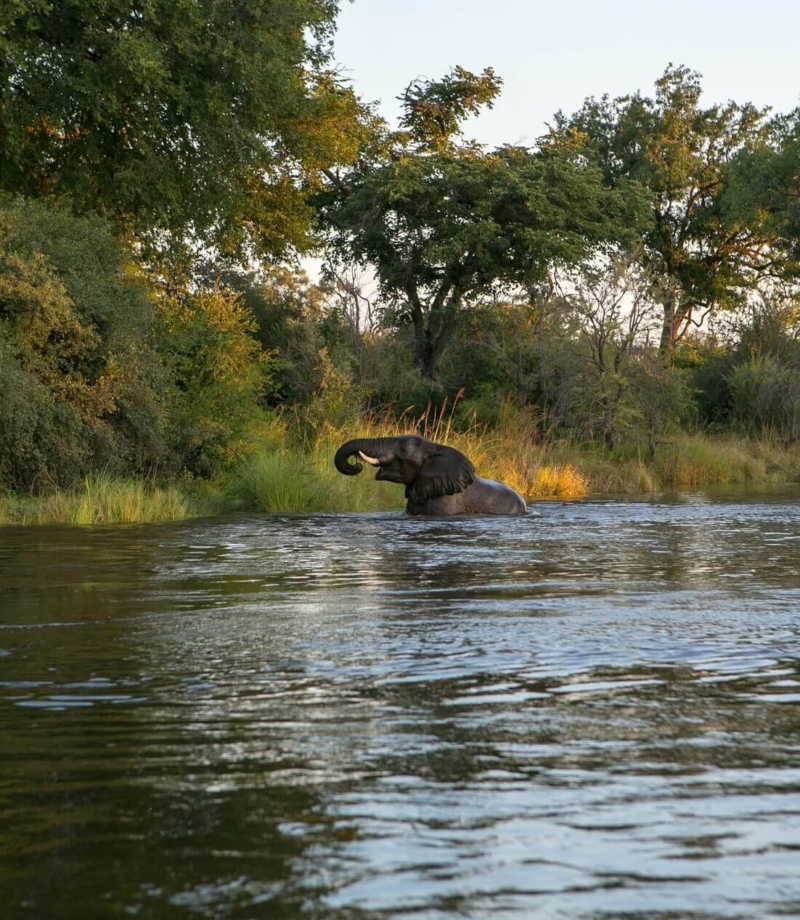
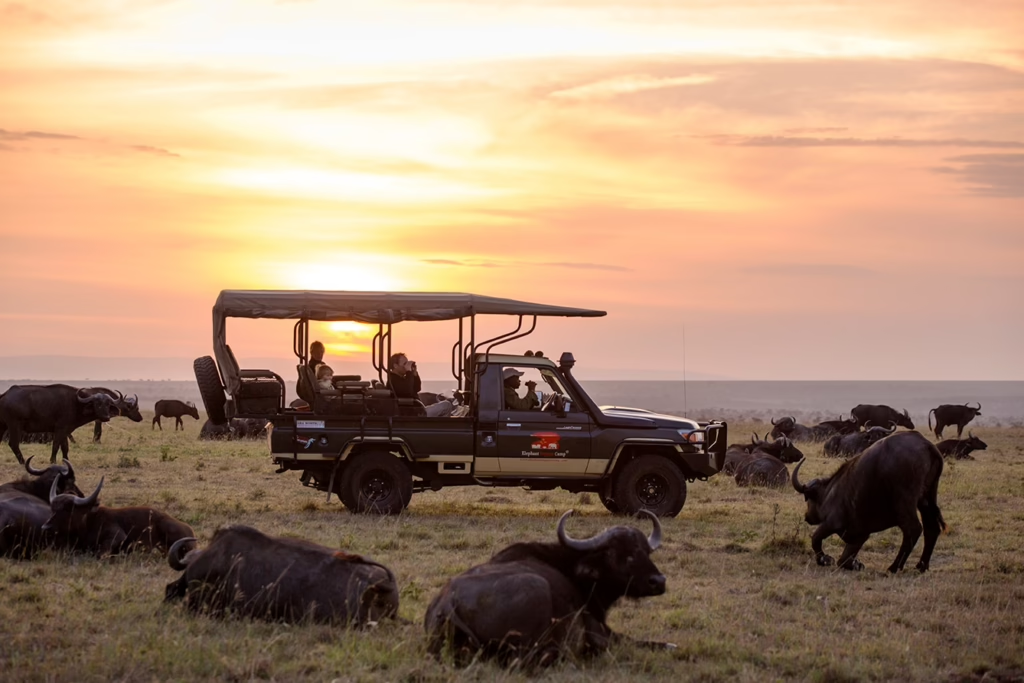
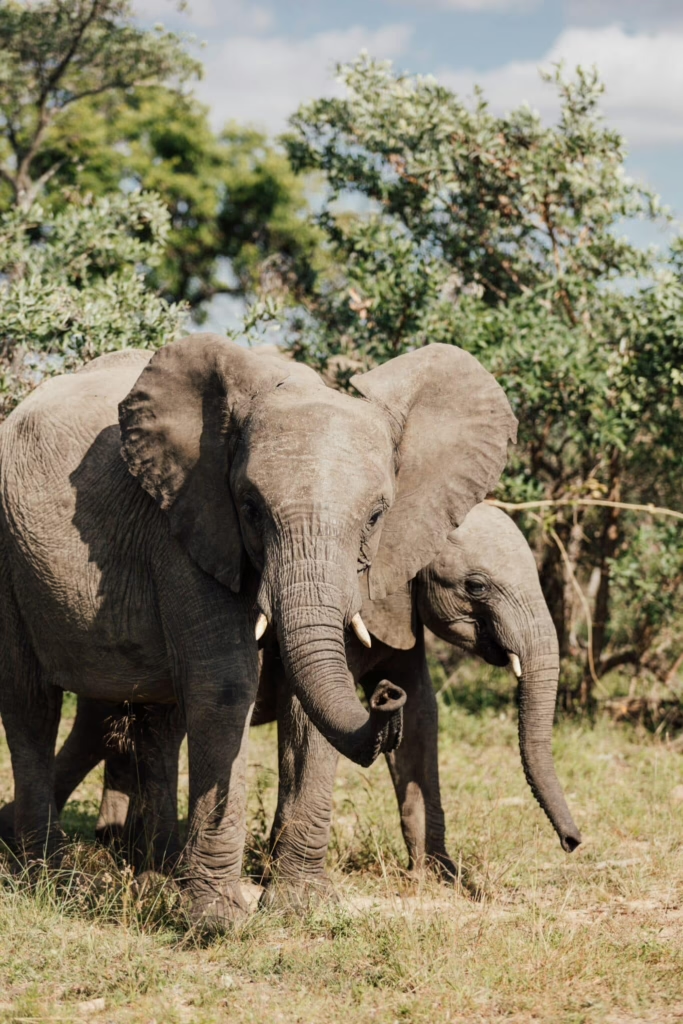
Combine Mana Pools with Hwange for a complete Zimbabwe safari. Mana Pools offers exceptional canoeing and walking along the Zambezi River, while Hwange delivers vast open plains and some of Africa’s largest elephant herds.
Luxury holidays in Zimbabwe
Zimbabwe with True Travel
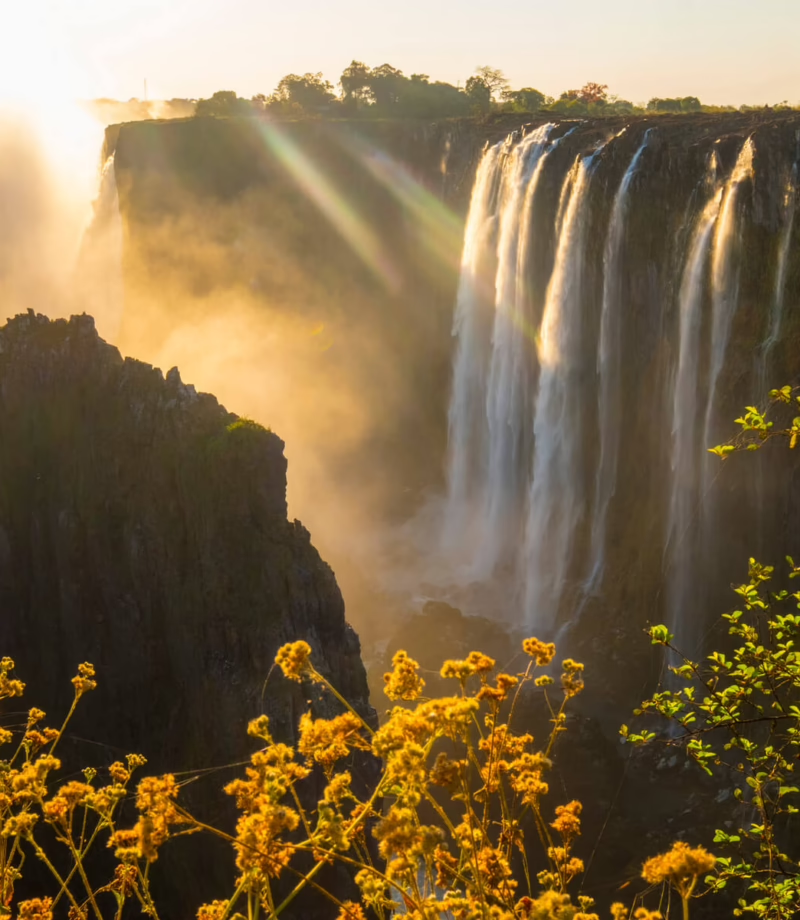
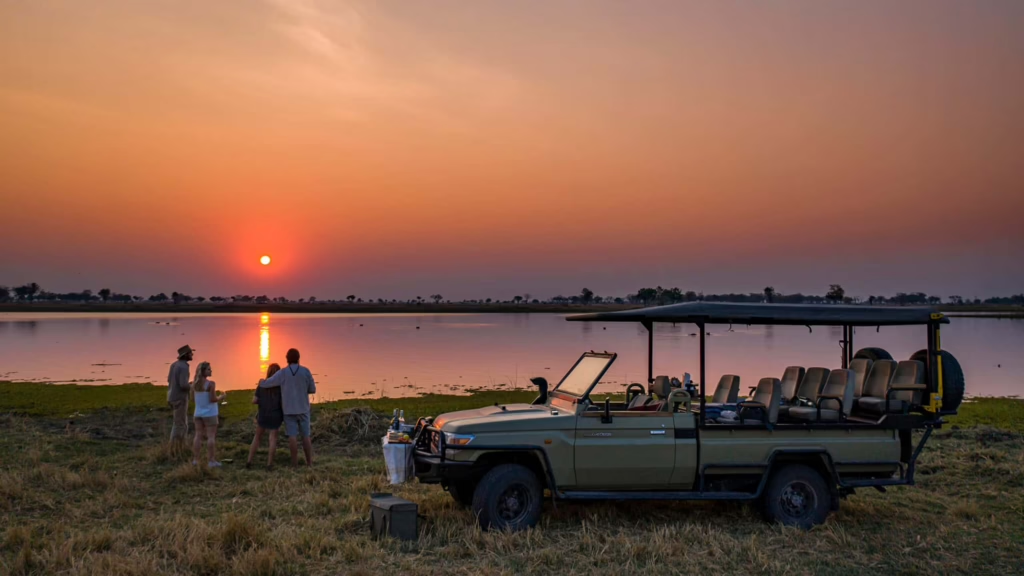
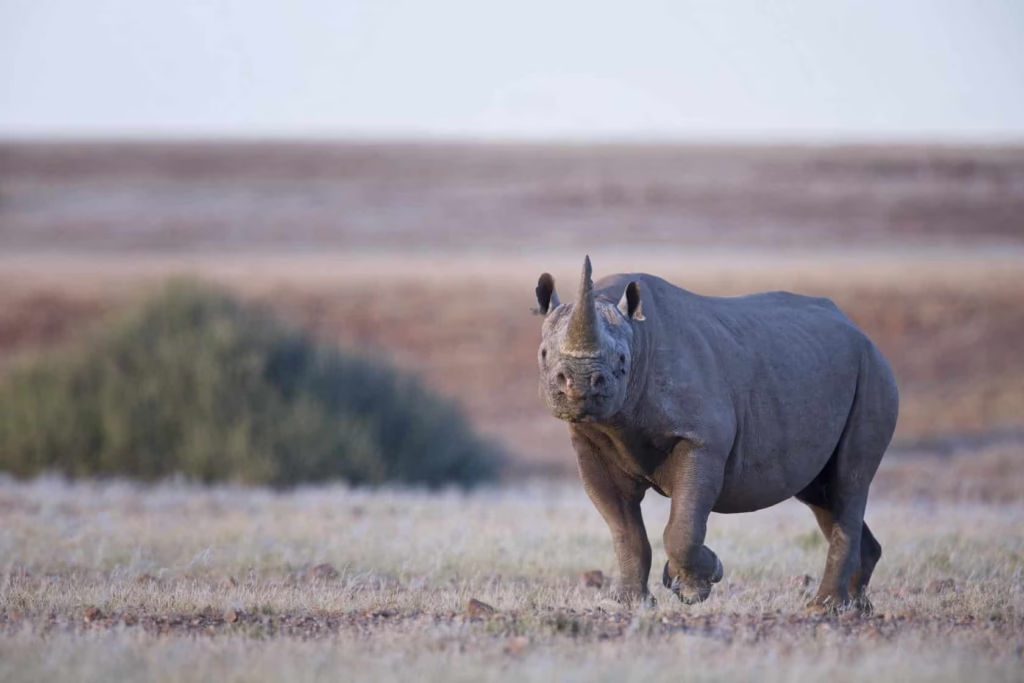
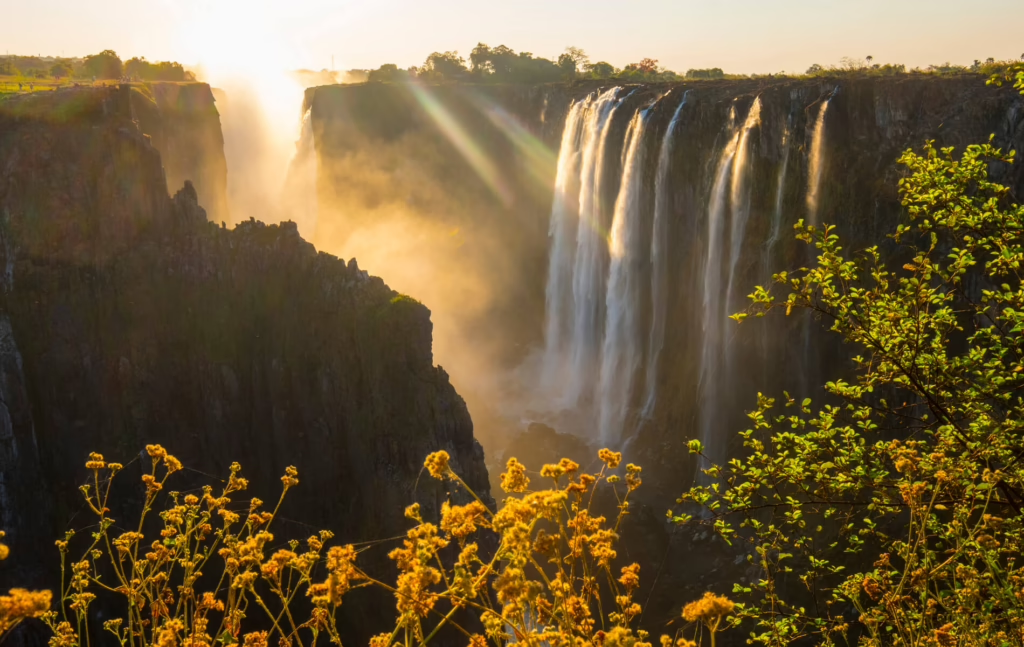
Zimbabwe is well and truly back in the game. Following a 20-year hiatus – the political devastation of its recent past, of course, the reason why – it has reemerged as a key safari contender. From Hwange National Park, which has so far avoided modern tourism, to Mana Pools, where the meandering Zambezi gives life to over 100 mammal and 450 bird species, Zimbabwe is unlike any other safari destination. It’s a land where nature sets out the rules, and nowhere is this more evident than at Victoria Falls. Feel the roar of its 300ft drop on a private guided tour, taking in the unrivalled power and chalk-white plumes before journeying south to hike between Matobo’s granite cliffs to ancient bushman rock art sites.
Start planning your tailor-made holiday to Zimbabwe or speak to a specialist 0203 930 3998
Specialist Tip
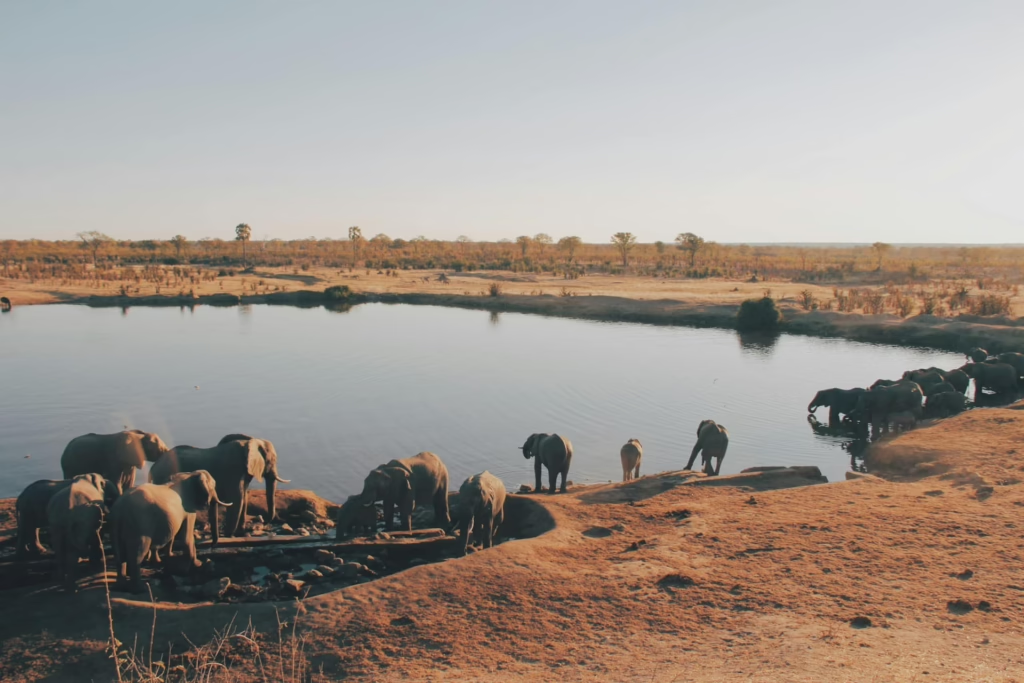
Combine Mana Pools with Hwange for a complete Zimbabwe safari. Mana Pools offers exceptional canoeing and walking along the Zambezi River, while Hwange delivers vast open plains and some of Africa’s largest elephant herds.
Where we’ve been
Map Filters
Explore the region
EXPLORE ZIMBABWE
Our Favourite Places
Gonarezhou National Park
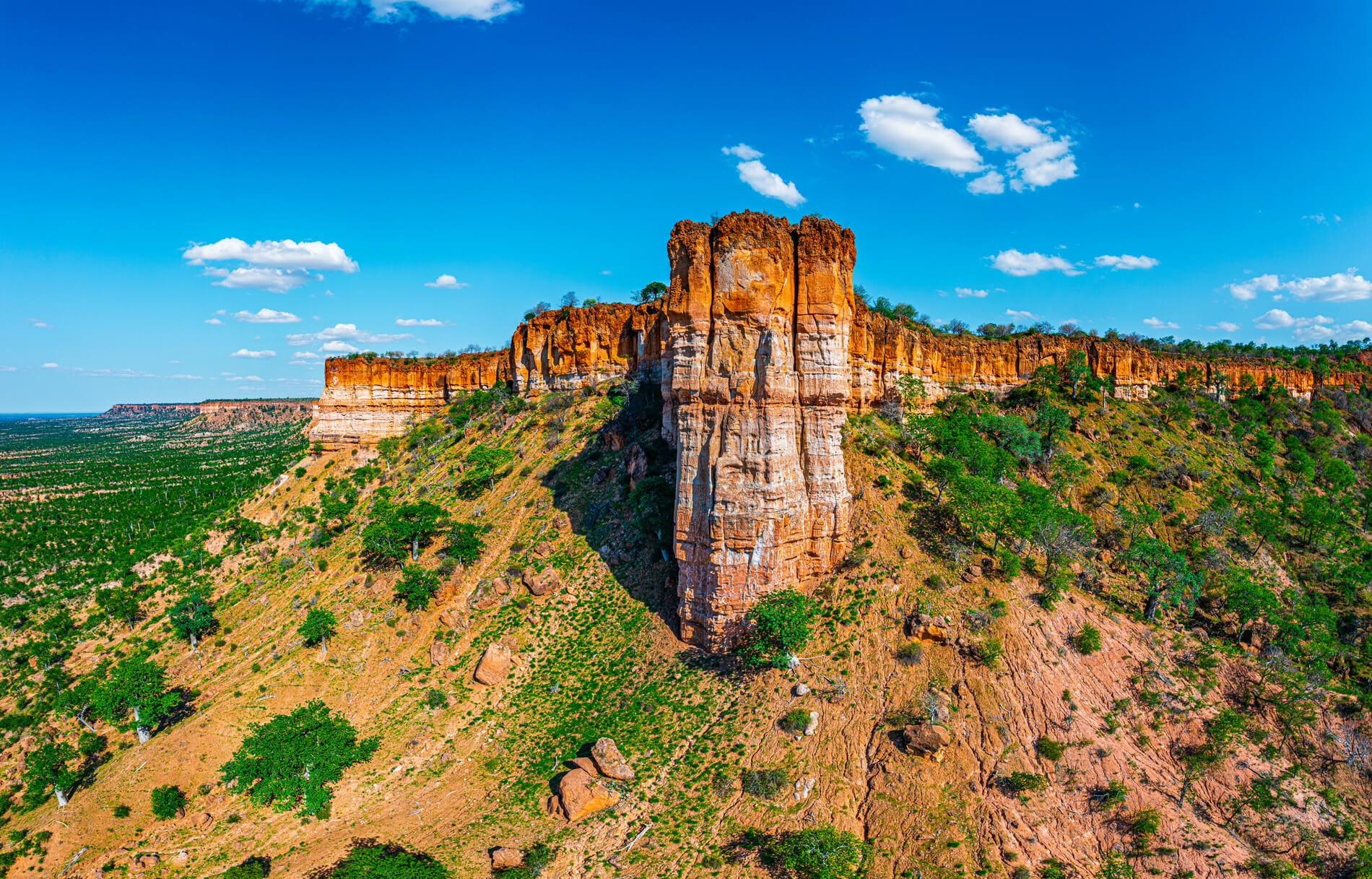
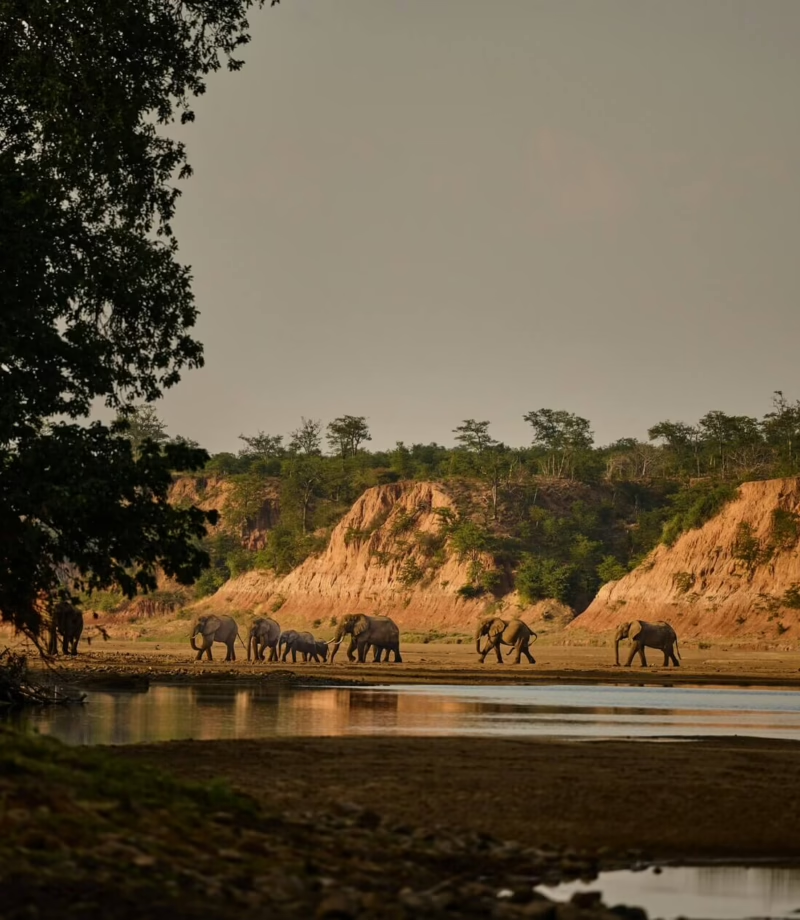
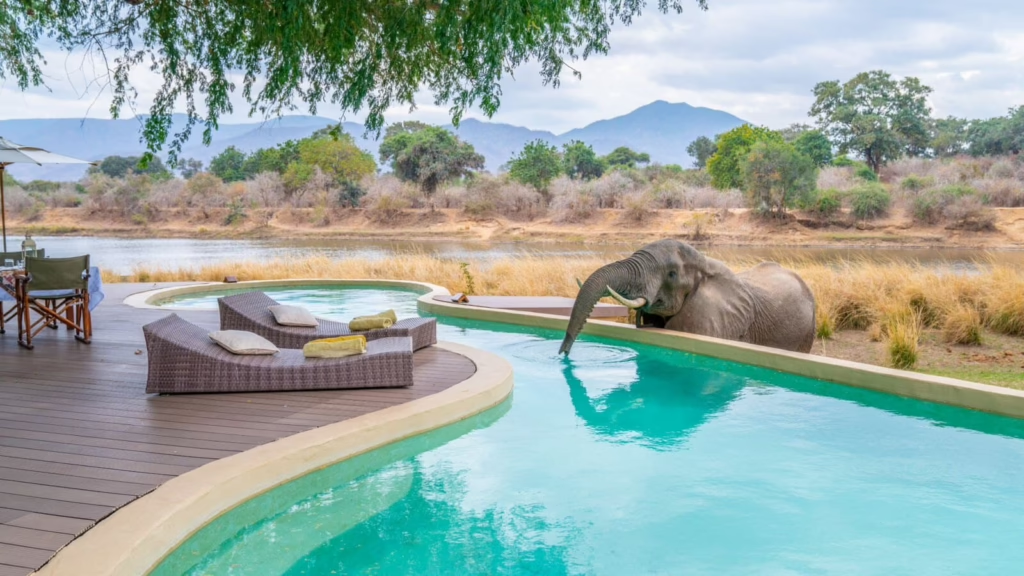
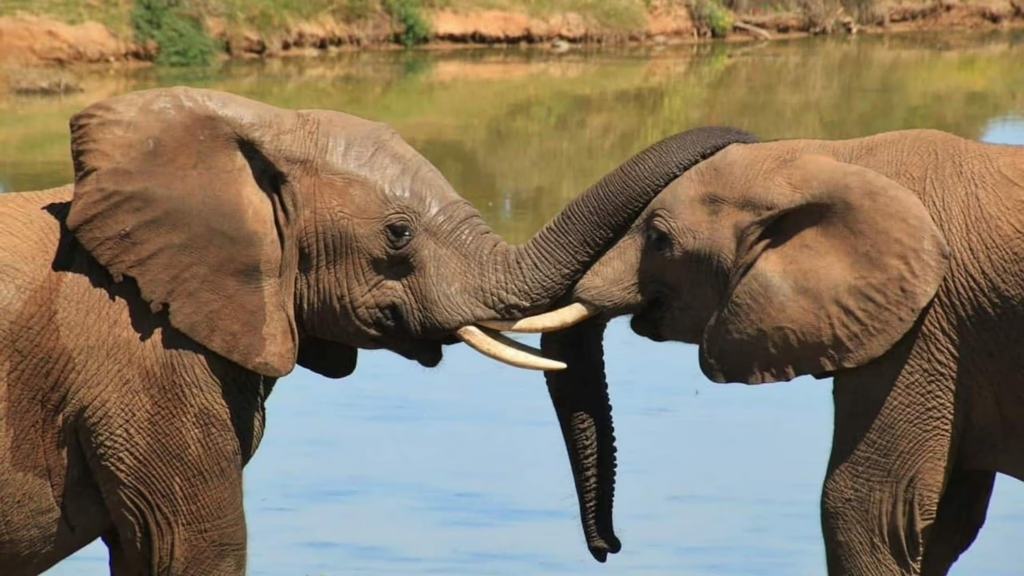
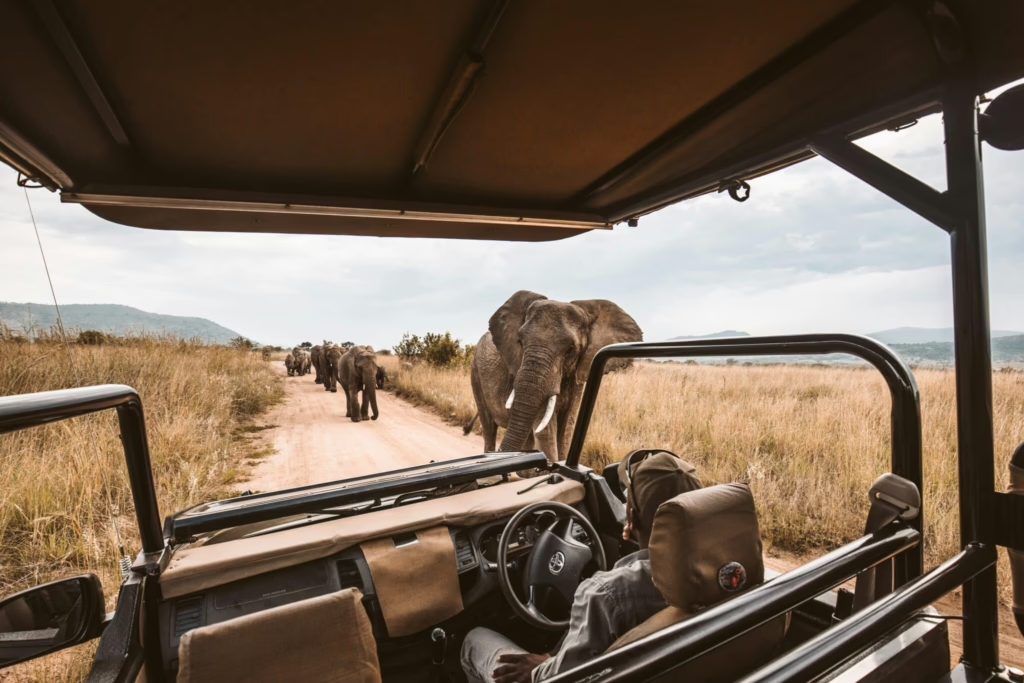
Its Shona name translates as place of elephants, a fitting description for Gonarezhou, Zimbabwe's second-largest national park, given the size of the herds still found here. The park's defining feature is the Chilojo Cliffs, a dramatic wall of orange sandstone rising above the Runde River valley that changes colour dramatically with the light. It remains one of the least visited of Zimbabwe's major parks, which only adds to its appeal for travellers who have already done Hwange.
Zimbabwe
Zimbabwe
Zimbabwe
Zimbabwe
True Travel Journal
From finding the right guide to unlocking hidden doors along Rome’s cobbled streets, to knowing which room offers a front-row view of Patagonia’s mountains at first light, or where to find Kyoto’s best counter seat, our journals are filled with the kind of insight that comes from years of travelling, planning and exploring.
Explore destination guides, travel news and stories from our specialists’ travels around the world, from new hotels and destinations to the experiences worth seeking out. Discover fresh ideas and insider knowledge to inspire your next trip.
Quick Answers
Zimbabwe operates a multi-currency system, with US dollars used for the vast majority of tourist transactions alongside the Zimbabwe Gold (ZiG), the country’s own currency introduced in 2024. For a typical visit, US dollars in cash cover almost everything you’ll need, and this is genuinely worth understanding before you arrive rather than working out on the ground.
English is the official language and used throughout tourism and hospitality without any practical barrier for visitors. Shona and Ndebele are the country’s most widely spoken local languages depending on the region, and a simple greeting in either is a small courtesy that’s warmly received by guides and lodge staff.
Zimbabwe operates on Central Africa Time (CAT, UTC+2) year-round, with no daylight saving changes. This aligns exactly with Zambia and Botswana, so a multi-country itinerary around Victoria Falls involves no time adjustment at any border crossing.
Tap water is not recommended for drinking anywhere in Zimbabwe, including Harare and Victoria Falls town. Bottled or filtered water is provided as standard at all reputable lodges and hotels and should be used for drinking and brushing teeth throughout your stay.
Cards are accepted at larger hotels and established tour operators, particularly around Victoria Falls, but cash, specifically US dollars, remains the more reliable currency across the country given ongoing shifts in the local currency system. Carrying more dollar cash than you might expect elsewhere in the region is a sensible precaution here.
Tipping is a well-established and important part of safari and hospitality culture, with guides, trackers and lodge staff relying on it as a genuine part of their income. US dollars in cash, rather than local currency, are almost always the preferred and most practical way to tip.
Zimbabwe uses Type D and Type G sockets, running at 230V, reflecting its shared British colonial infrastructure history with neighbouring Zambia and South Africa. A universal adapter covering both is worth packing rather than assuming one standard will apply at every property on your itinerary.
Mobile coverage around Victoria Falls and Harare is reasonably strong, making a local SIM worthwhile for that portion of a trip, but signal fades quickly once you’re in Hwange National Park or other more remote safari areas. Most camps in these areas offer limited wifi in communal spaces only, so treat deeper bush stretches as naturally disconnected.
Neutral clothing suits game drives, and a warm layer matters for cool early starts even in what looks like a hot-climate itinerary. If your trip includes Victoria Falls itself, pack a lightweight waterproof layer specifically for the falls, since the spray from the rainforest walkway can be substantial enough to soak through ordinary clothing within minutes.
A warm, unhurried greeting before any request is genuinely valued in Zimbabwean culture, whether with hotel staff, a guide or a market trader. On safari, guides set the rules for vehicle conduct and noise during sightings, and following these closely is both a safety matter and a mark of respect for the environment you’re visiting.
Zimbabwe has moved through several local currency changes in recent years amid broader economic instability, and US dollars have become the de facto currency for almost all tourist-facing transactions as a result. Bringing sufficient US dollars in cash for your entire trip, rather than relying on exchanging money locally, remains the most reliable approach for visitors.
Change for larger notes can be genuinely difficult to come by in Zimbabwe, and you may receive change in local currency or simply not receive it at all if you pay with a $50 or $100 bill for a small purchase. Bringing a good supply of $1, $5 and $10 notes makes day-to-day spending noticeably smoother.
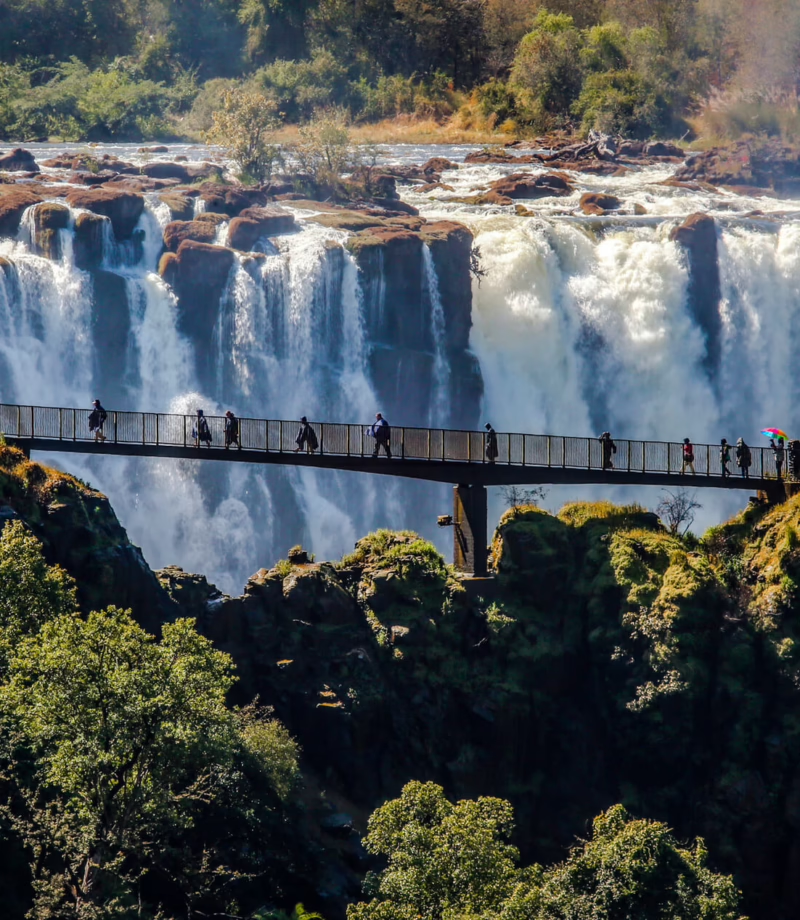
The Zimbabwean side offers closer, more sustained views into the falls themselves, which means correspondingly heavier spray, particularly during and just after the rainy season. A waterproof poncho, a dry bag for your phone or camera, and shoes you don’t mind getting wet will make the walk far more enjoyable than trying to keep everything dry and failing.
Fill out our trip finder form and find inspiration for your perfect holiday
Trip FinderWhy choose True Travel
Every destination, expertly understood
We only recommend what we know
Truly bespoke, never off-the-shelf
Every itinerary is built around your pace and interests
One specialist, start to finish
The same person from first call to flight home
Trusted for over 13 years
B Corp certified, ATOL protected, Award-winning
Map Filters
Explore everywhere we go
Guided Discovery
Select as many as you like. We'll use your choices to surface ideas from across the world.
Ideas selected for you
·