Specialist Tip
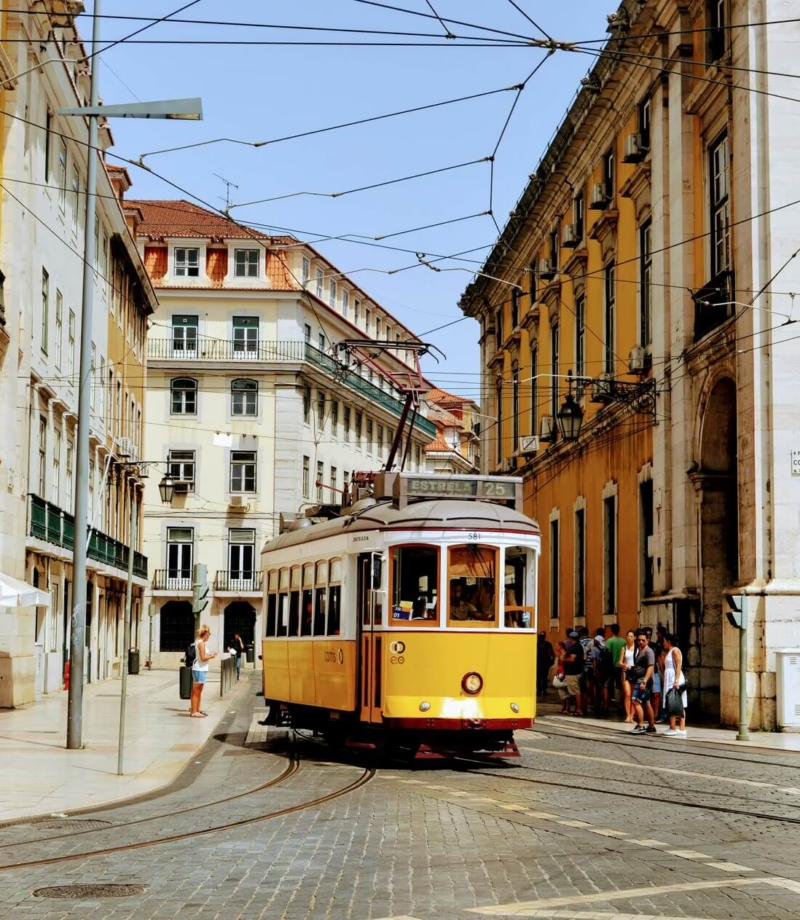
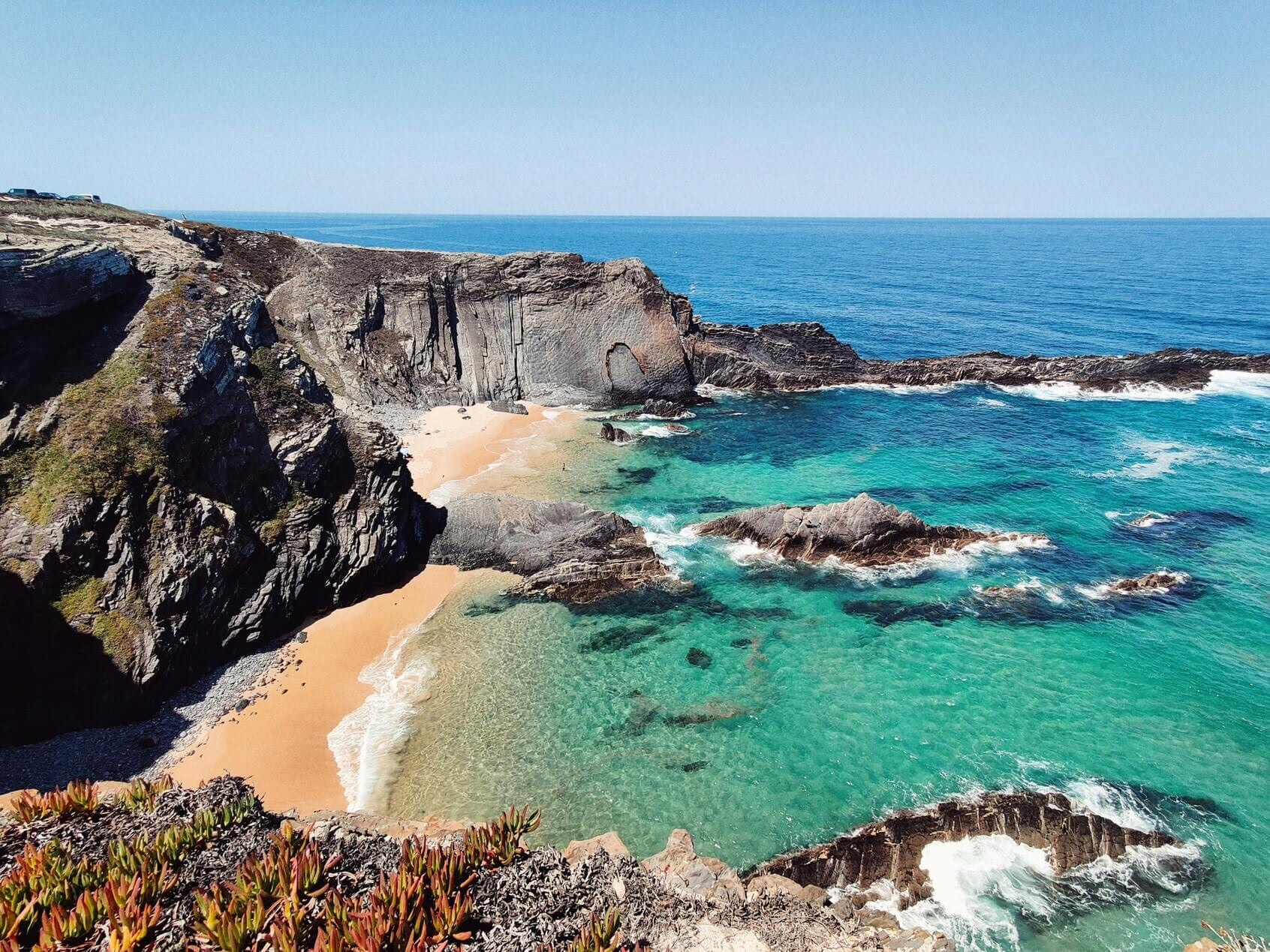
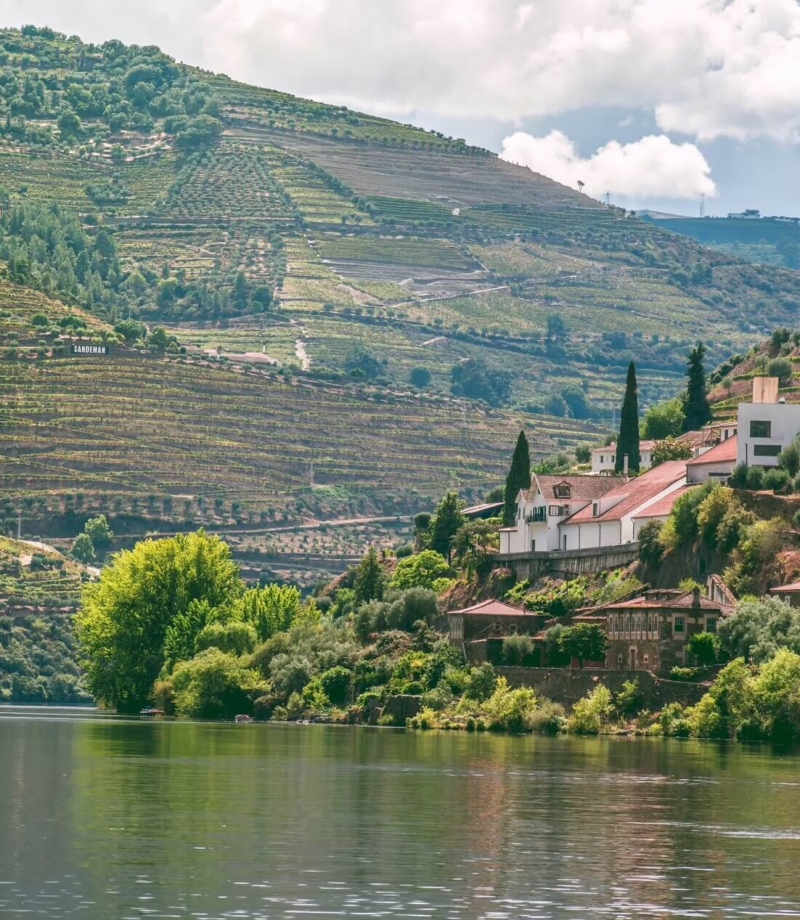
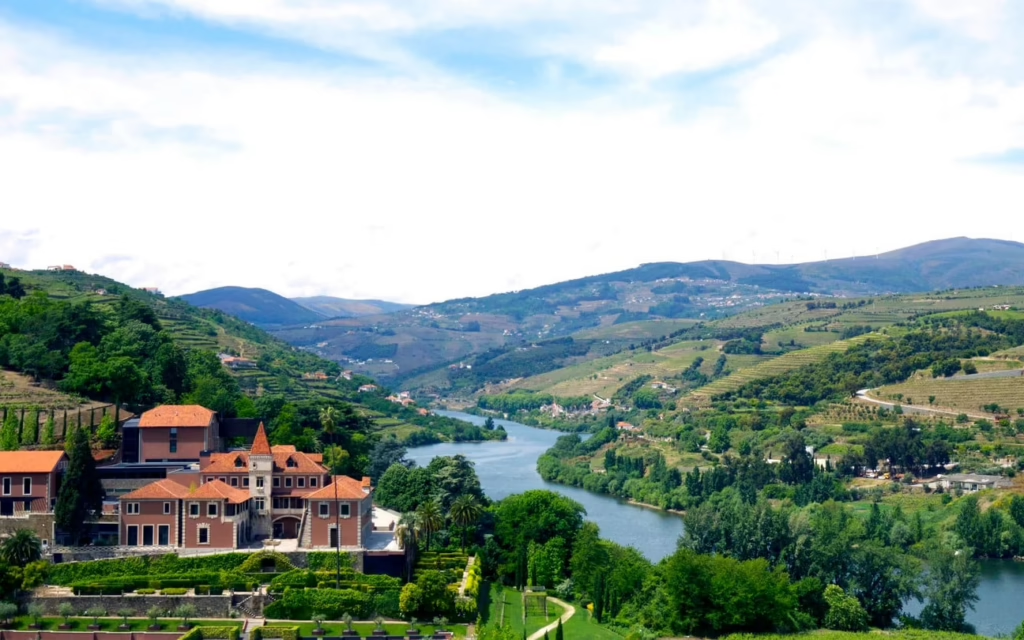
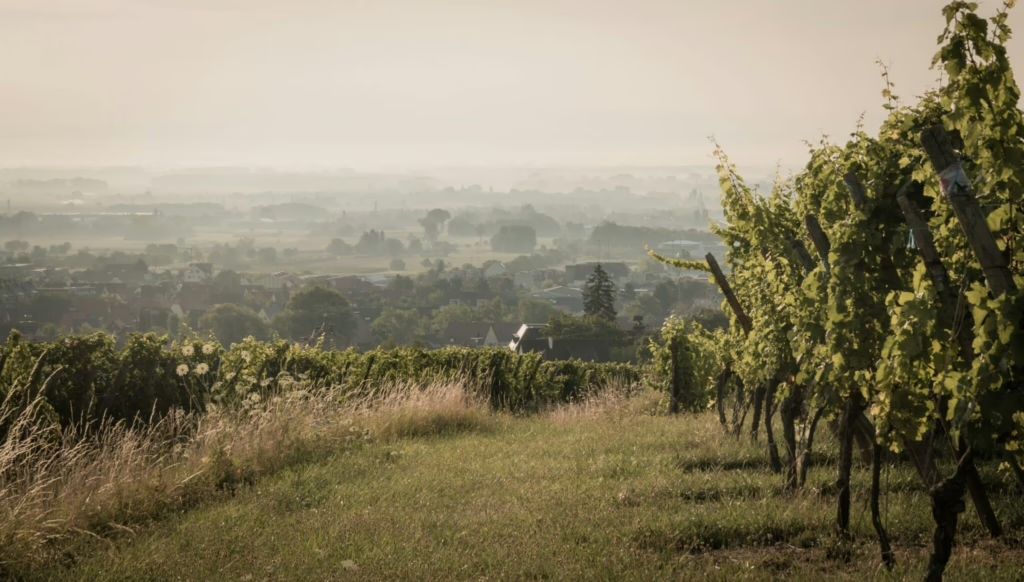
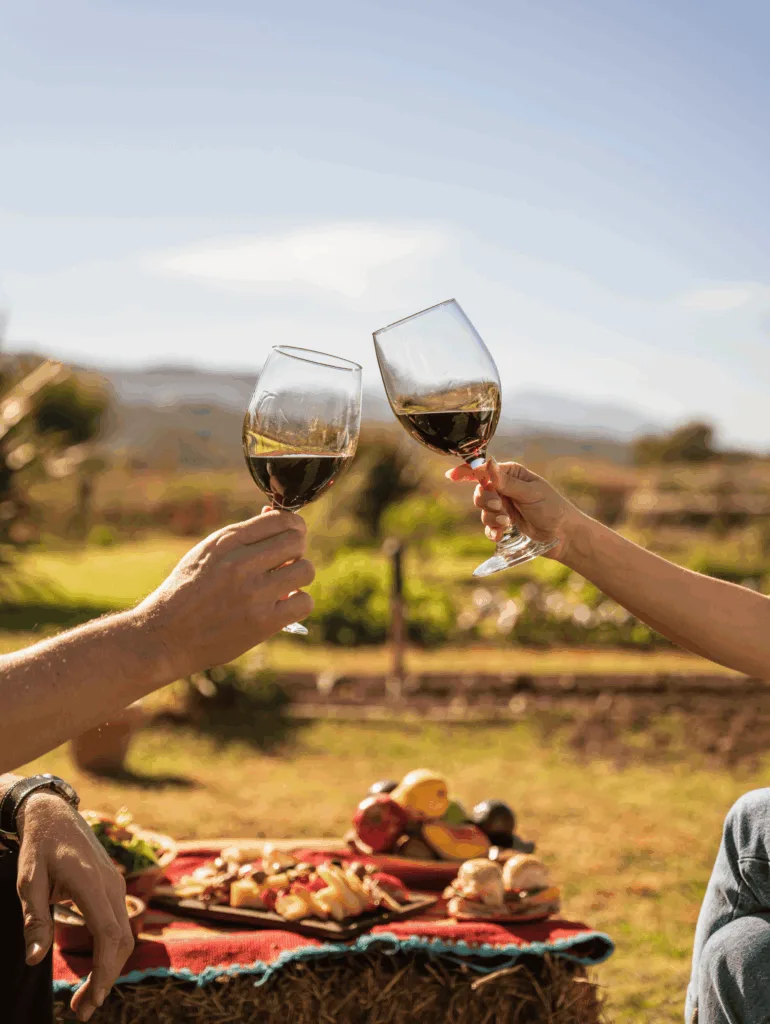
Portugal is ideal for a road trip or train journey combining city culture with rural wine regions and coastal wilderness. Explore Lisbon and Porto, then head to the Douro Valley or the quiet beaches of the Alentejo.
Luxury holidays in Portugal
Portugal with True Travel
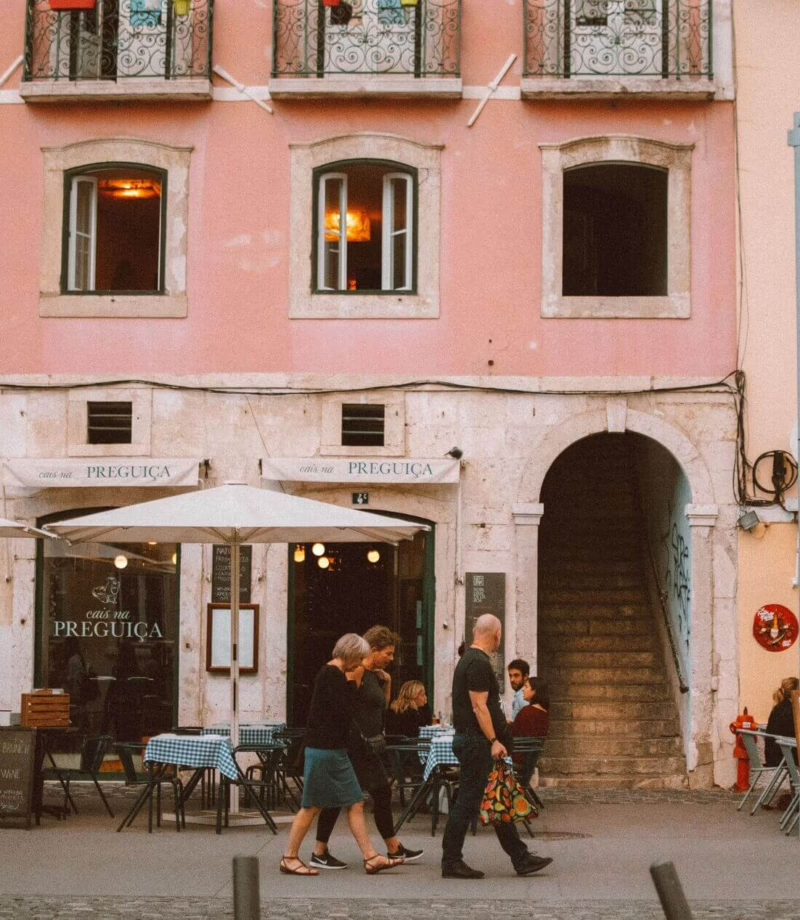
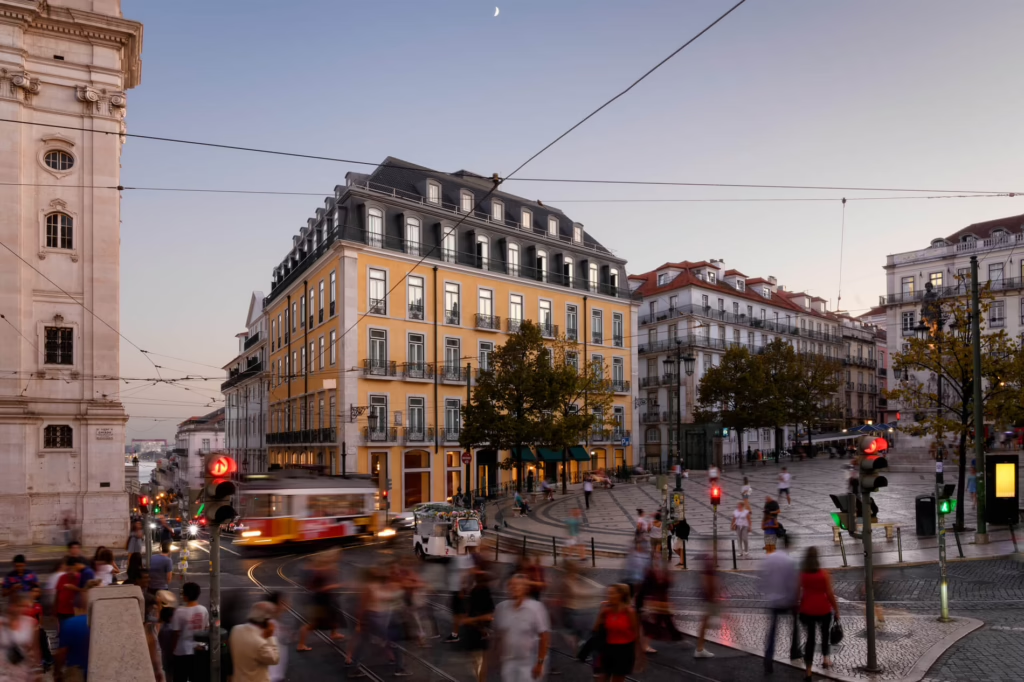
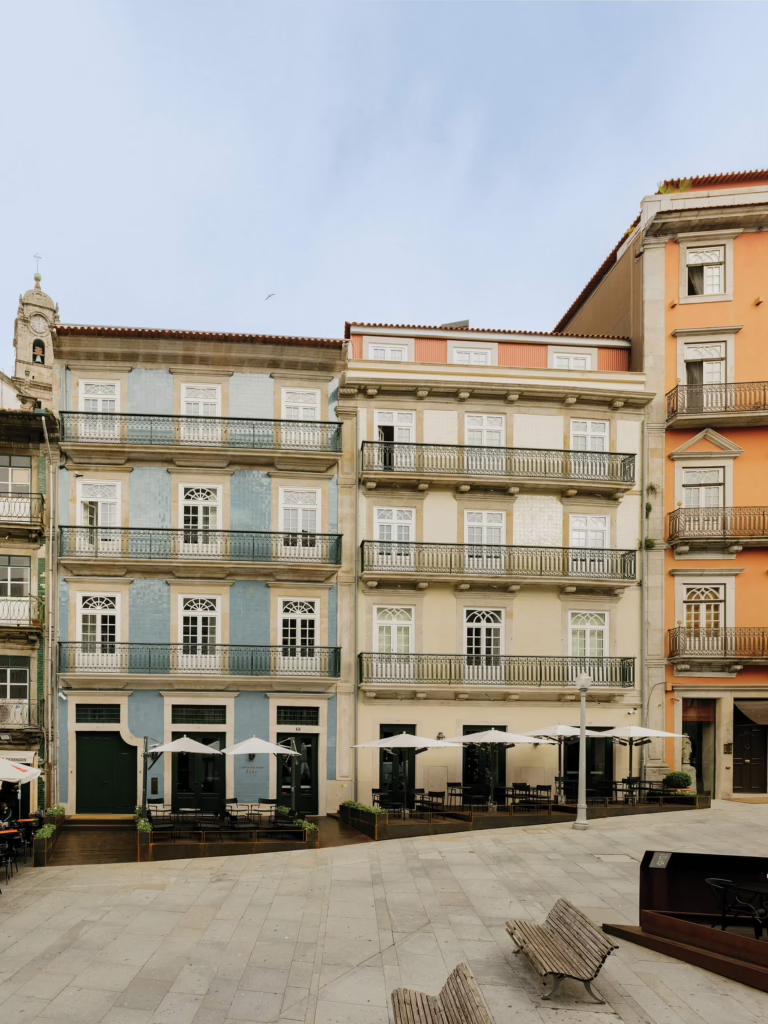
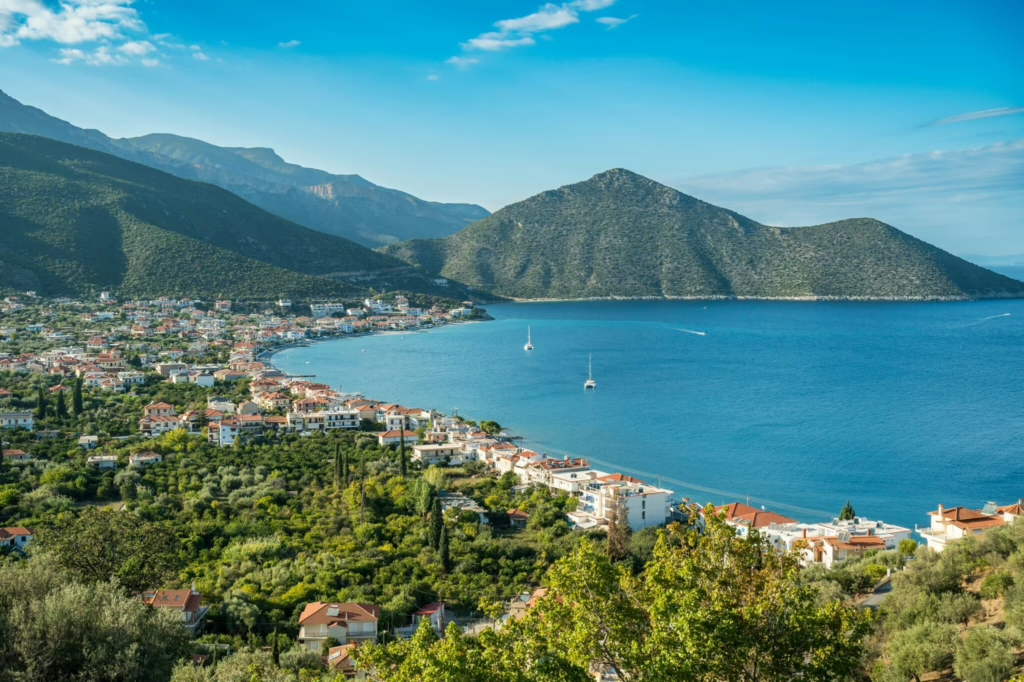
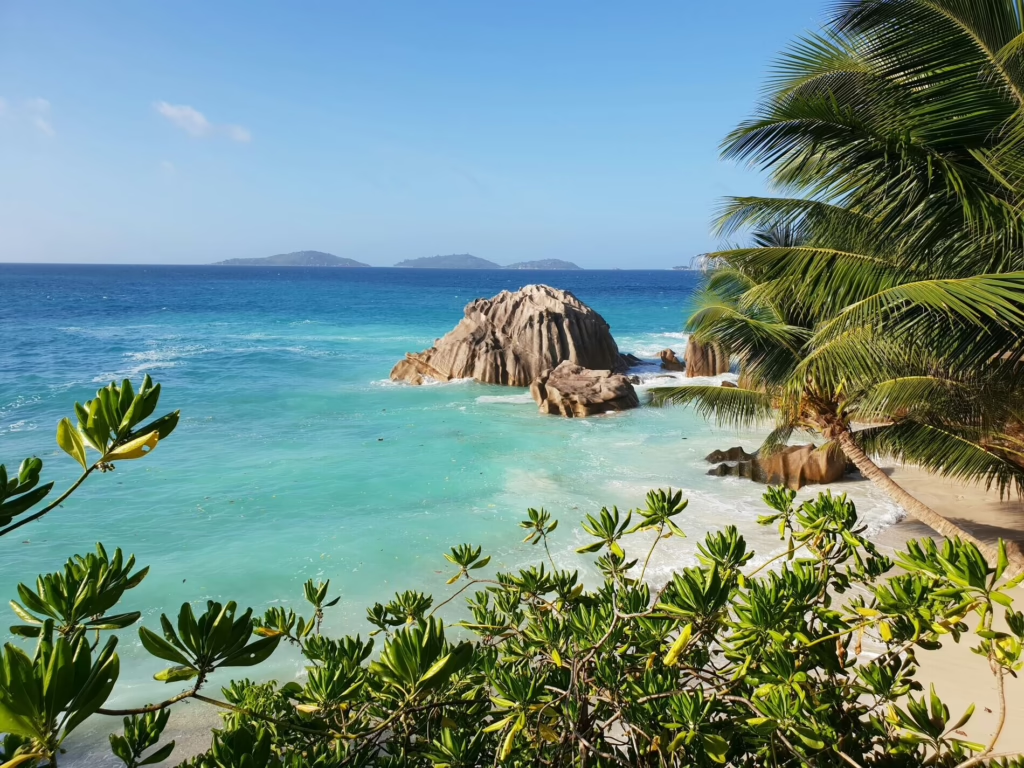
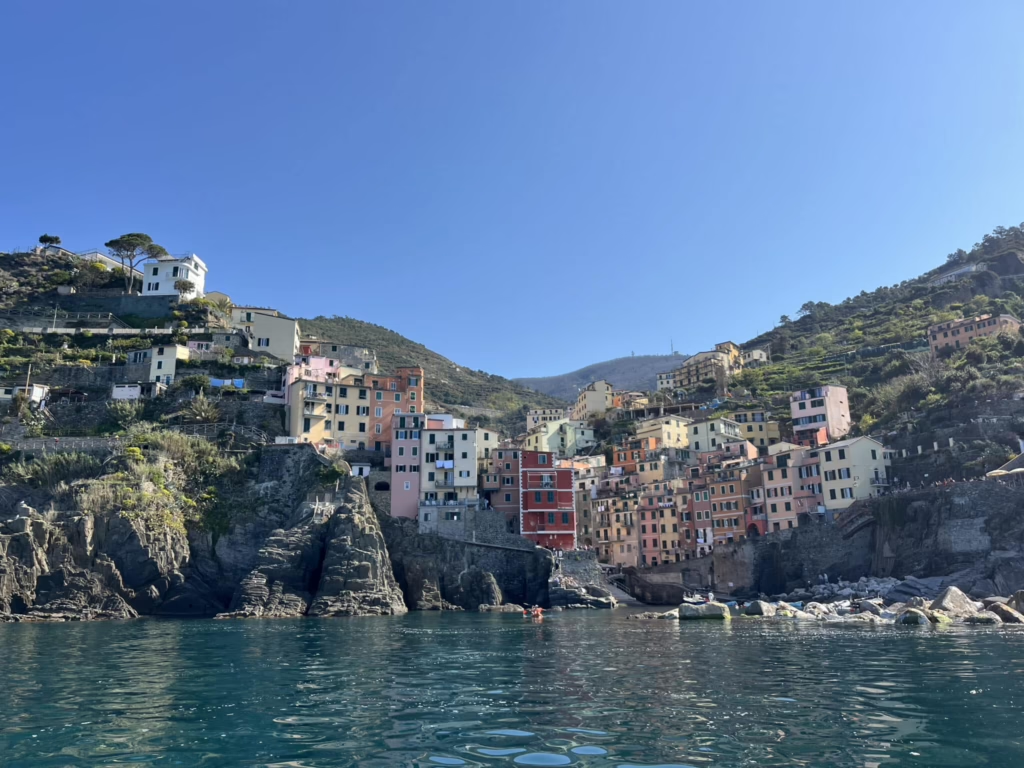
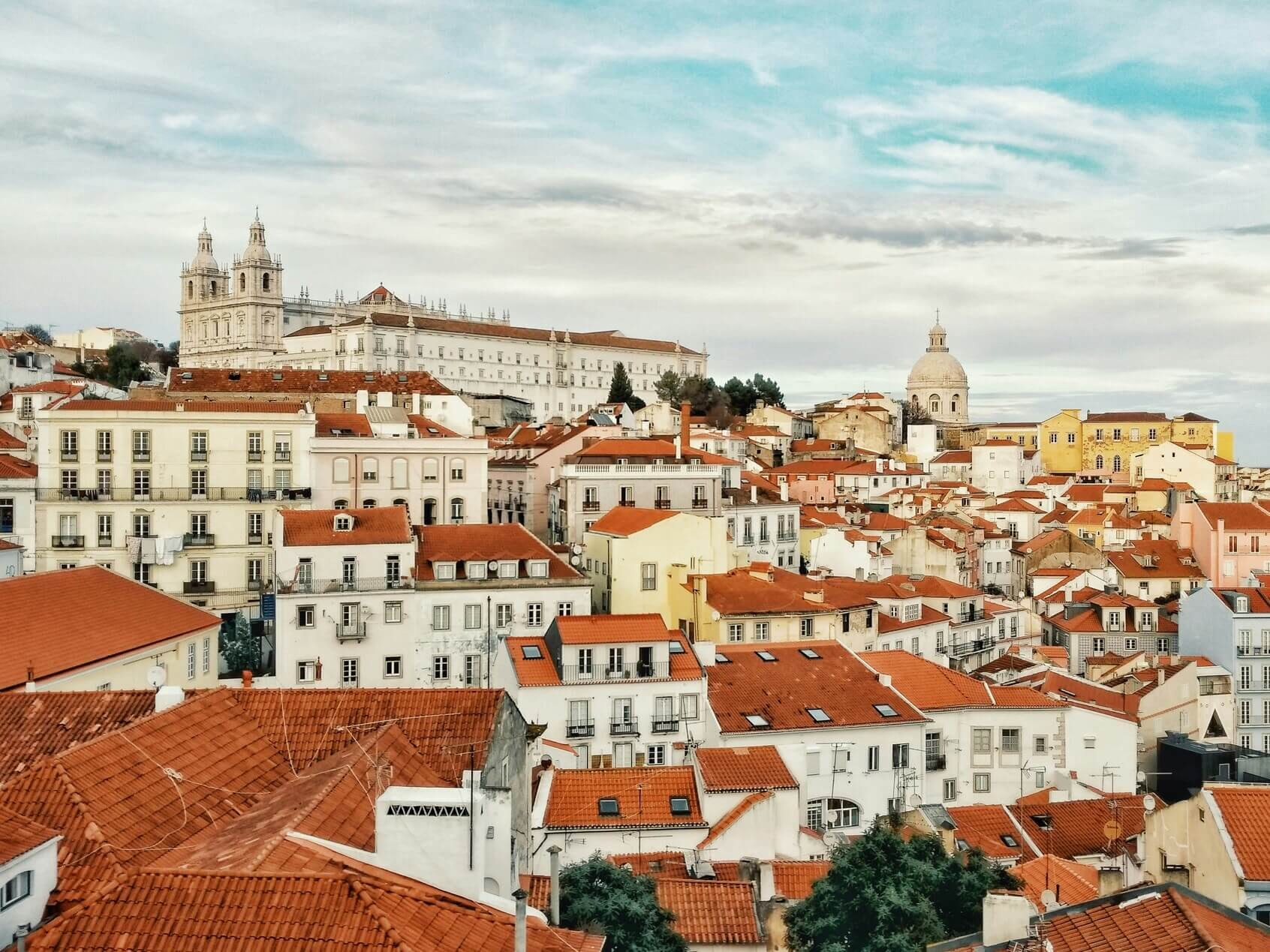
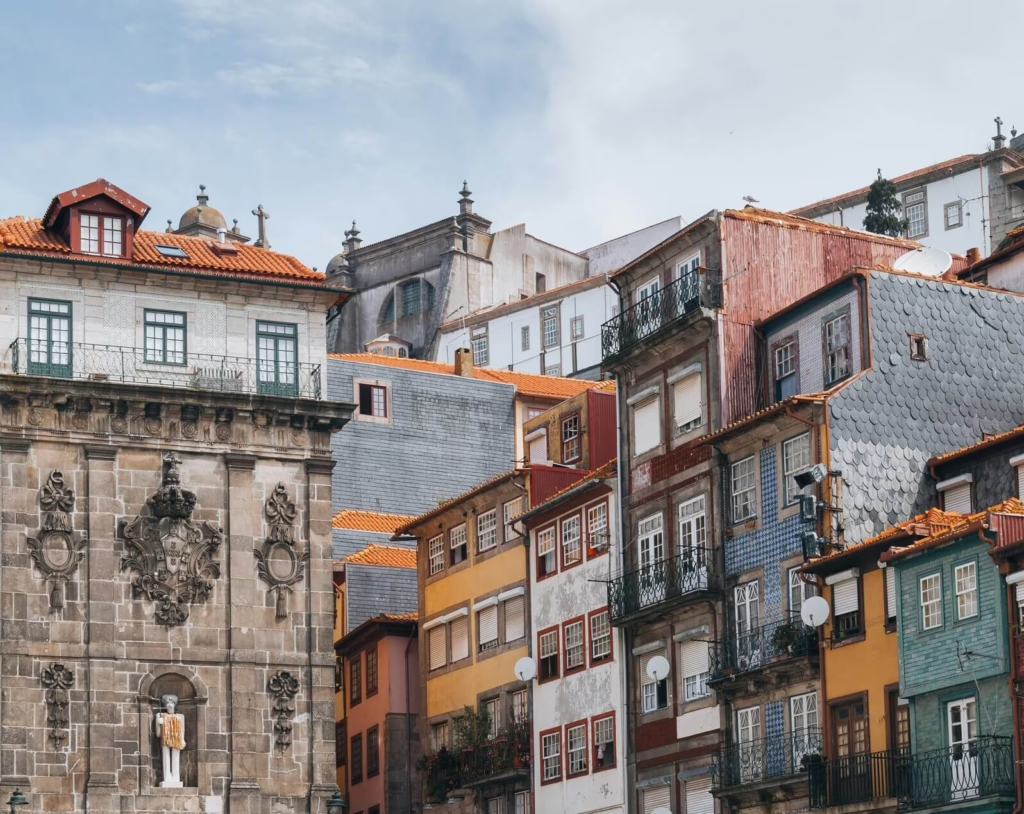
Since the Golden Age of Sail, Portugal has been charming visitors with its wine-rich Douro Valley, historic hilltop towns and suave cities, Lisbon and Porto. Use the country’s 300 days of sun to explore its Mediterranean coastline – think lazy lagoons, dramatic cliffs and inviting beaches – road trip along its wine route and sample local dishes and delicacies in traditional tasquinhas (Portuguese restaurants) in the medieval town of Monsaraz. Or take a trip to its trio of archipelagos Madeira, Cape Verde and the Azores – prime territory for ultimate adventure and relaxation.

Specialist Tip
Portugal is ideal for a road trip or train journey combining city culture with rural wine regions and coastal wilderness. Explore Lisbon and Porto, then head to the Douro Valley or the quiet beaches of the Alentejo.
Where we’ve been
Map Filters
Explore the region
EXPLORE PORTUGAL
Our Favourite Places
Alentejo
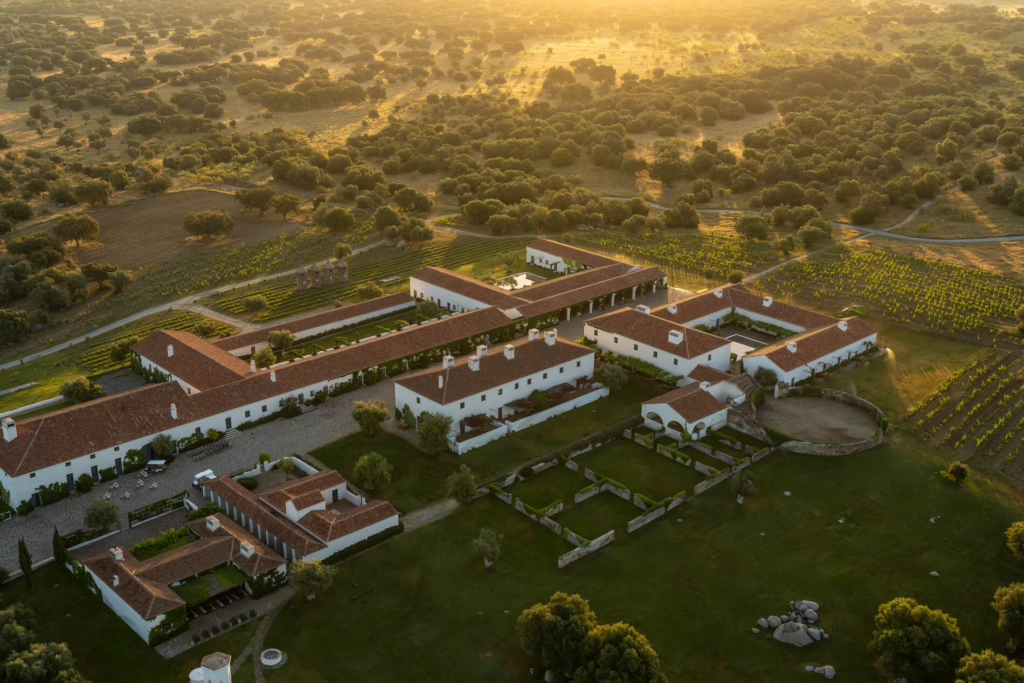
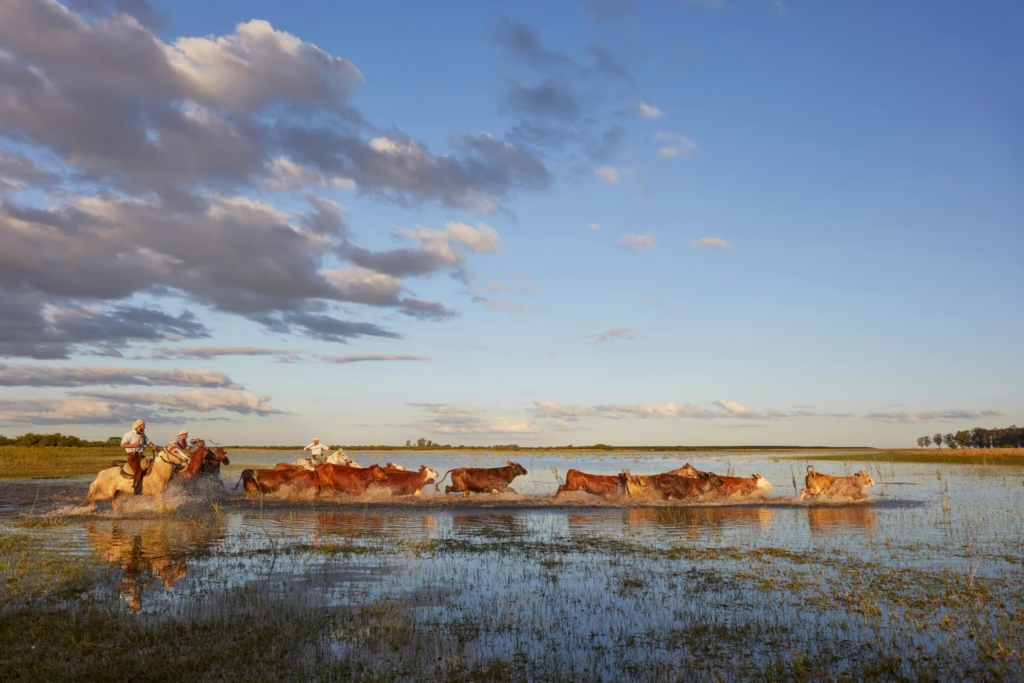
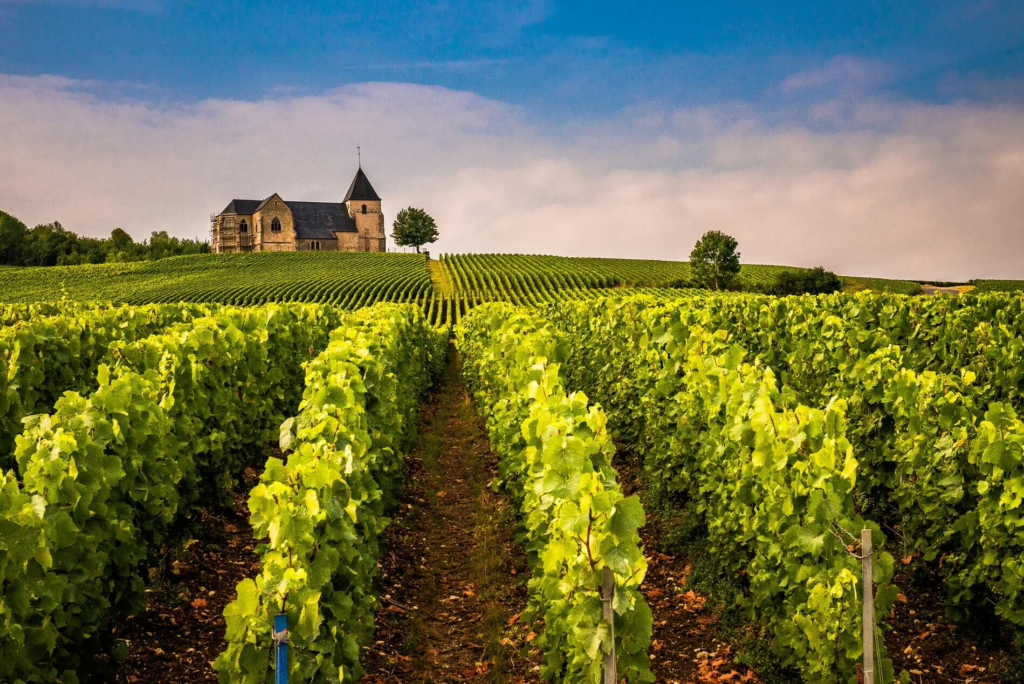
Alentejo is Portugal's largest region, and arguably its least discovered, a rare thing in a country that draws crowds elsewhere. It begins at the Comporta coastline, where wide sandy beaches run for kilometres, then rolls inland into a patchwork of vineyards and cork farms that stretch to the horizon. Spend a few days driving between the two and you get a real sense of scale, somewhere that still feels genuinely rural rather than curated for visitors.
Portugal
Portugal
Portugal
True Travel Journal
From finding the right guide to unlocking hidden doors along Rome’s cobbled streets, to knowing which room offers a front-row view of Patagonia’s mountains at first light, or where to find Kyoto’s best counter seat, our journals are filled with the kind of insight that comes from years of travelling, planning and exploring.
Explore destination guides, travel news and stories from our specialists’ travels around the world, from new hotels and destinations to the experiences worth seeking out. Discover fresh ideas and insider knowledge to inspire your next trip.
Quick Answers
The Euro (EUR) is the currency, and ATMs are widely available in Lisbon, Porto and the Algarve, so there’s little need to arrange currency before you travel. Contactless card payment is standard for almost every transaction, including small purchases at a pastelaria.
Portuguese is the national language, and while English is spoken confidently in Lisbon, Porto and the Algarve’s tourist areas, it’s worth knowing that Portuguese and Spanish, though related, are genuinely distinct languages, and defaulting to Spanish with a Portuguese local can come across as a mild, if unintentional, slight. A simple attempt at Portuguese, even imperfect, is far better received than assuming Spanish will do.
Portugal operates on Western European Time (WET, UTC+0) in winter and Western European Summer Time (WEST, UTC+1) in summer, aligning with the UK rather than the Central European Time used across the border in Spain. This means Portugal and Spain, despite sharing the Iberian Peninsula, are a full hour apart for most of the year, which is worth checking specifically if your itinerary crosses between the two.
Yes, tap water throughout Portugal is safe to drink, including in Lisbon, Porto and rural areas. This holds true across the country, so bottled water is a matter of preference rather than necessity.
Cards, particularly contactless, are accepted almost everywhere in Portugal’s cities and larger towns, though small family-run tascas and market stalls occasionally still prefer cash. A modest amount of Euros is worth carrying for these smaller, more traditional establishments.
Tipping isn’t obligatory, and rounding up a bill or leaving small change for good service is genuinely appreciated rather than expected. This is a considerably lighter tipping culture than in the US, closer to a thank-you gesture than a required part of the transaction.
Portugal uses Type C and Type F sockets, the standard European two-pin design, running at 230V. This is a widely recognised shape covered by virtually any universal travel adapter.

Yes, Lisbon’s famously steep hills combine with traditional calçada portuguesa cobblestones that become genuinely slippery when wet, making comfortable, sturdy shoes far more important here than in most European city destinations. Heels or smooth-soled shoes, however smart they look, are worth reconsidering for a day spent exploring Lisbon or Porto on foot.
Fado, Portugal’s traditional melancholic musical form, is typically performed in an atmosphere of genuine, attentive silence rather than background music to talk over, and continuing conversation loudly during a performance is considered noticeably disrespectful. Waiting for a natural pause between songs before ordering or speaking to your table shows the audience is genuinely listening rather than merely present.
The Portuguese are generally more reserved than their Spanish neighbours, and a measured, less effusive manner in daily interactions reflects genuine cultural temperament rather than coolness or disinterest. Ordering coffee has its own local vocabulary worth knowing, since asking for “uma bica” gets you an espresso in Lisbon, while the same drink is called “um cimbalino” in Porto, a small but genuine regional distinction locals appreciate visitors noticing.
Fill out our trip finder form and find inspiration for your perfect holiday
Trip FinderWhy choose True Travel
Every destination, expertly understood
We only recommend what we know
Truly bespoke, never off-the-shelf
Every itinerary is built around your pace and interests
One specialist, start to finish
The same person from first call to flight home
Trusted for over 13 years
B Corp certified, ATOL protected, Award-winning
Map Filters
Explore everywhere we go
Guided Discovery
Select as many as you like. We'll use your choices to surface ideas from across the world.
Ideas selected for you
·