Specialist Tip
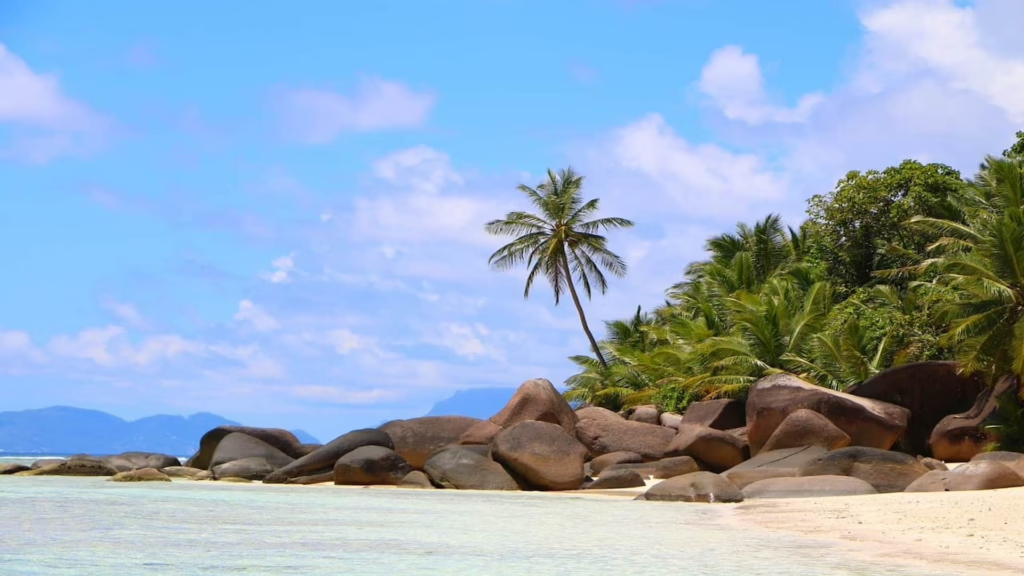
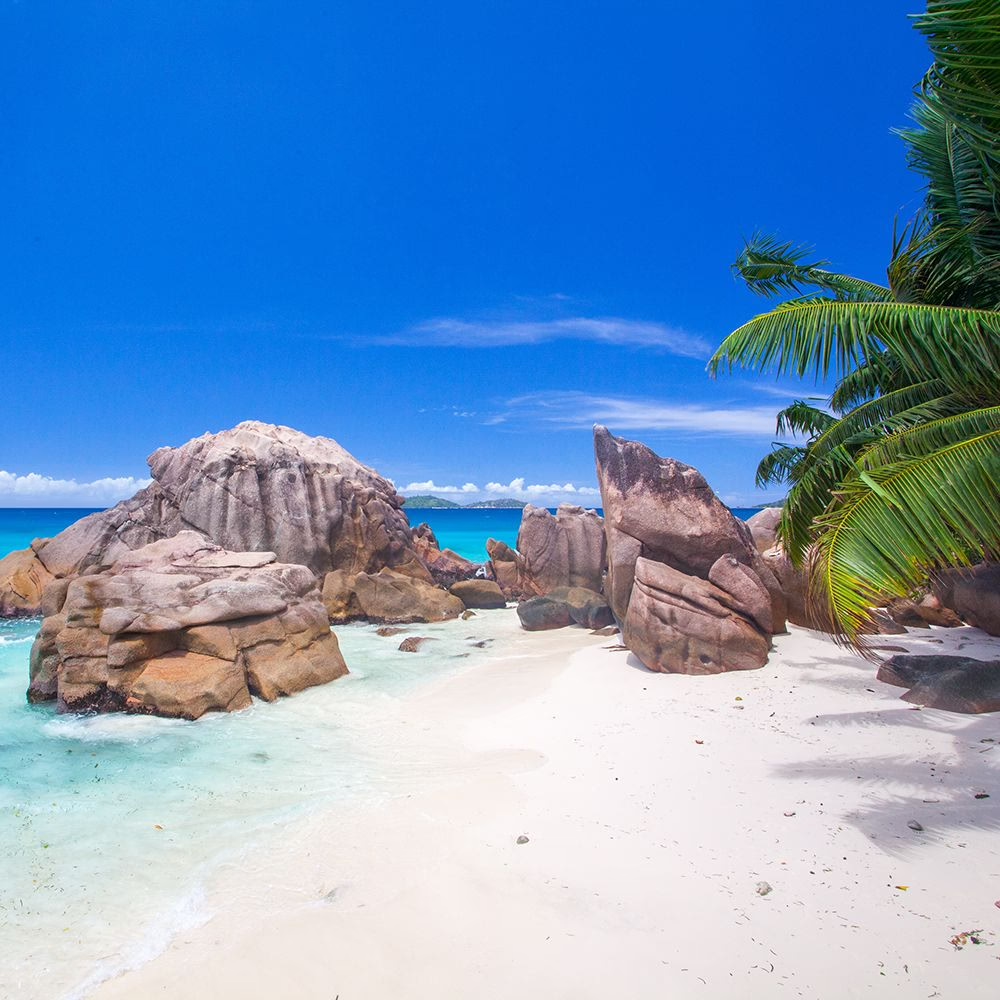
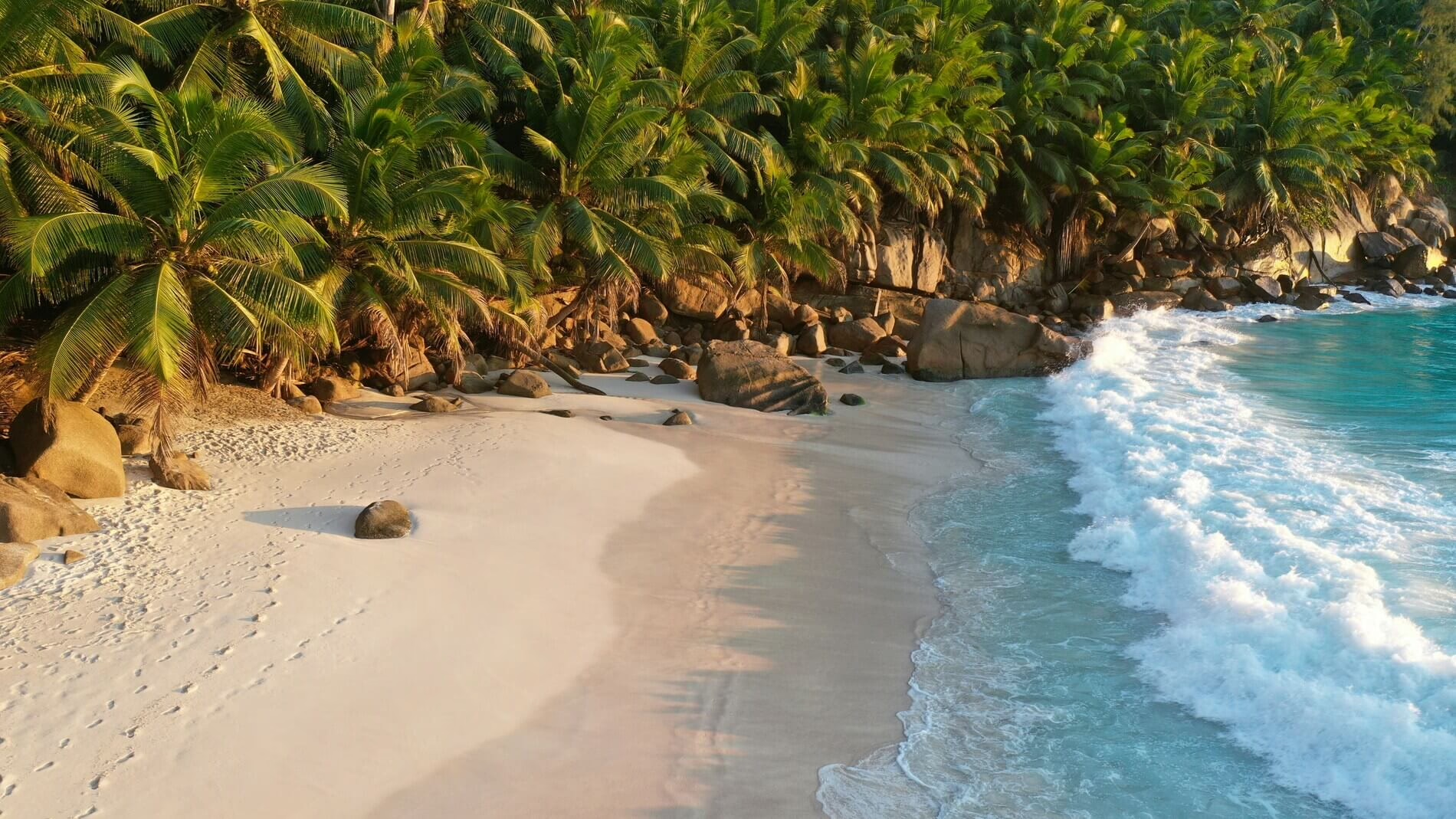
Don’t limit yourself to Mahé. Praslin and La Digue offer a completely different rhythm, with quiet granite-crated beaches, cycling as the main way to get around and the prehistoric palm forests of the Vallée de Mai.
Luxury holidays in the Seychelles
Seychelles with True Travel
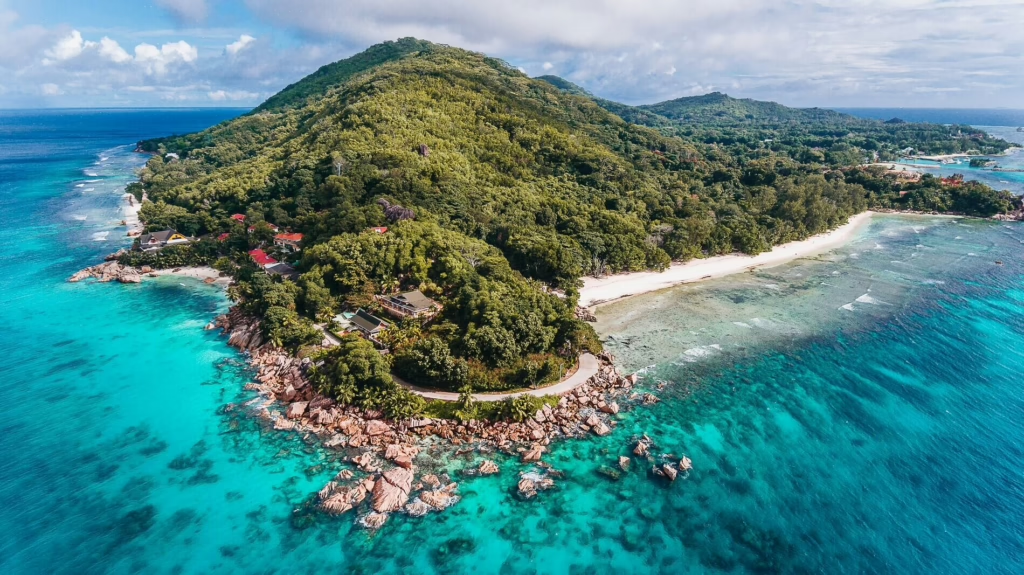
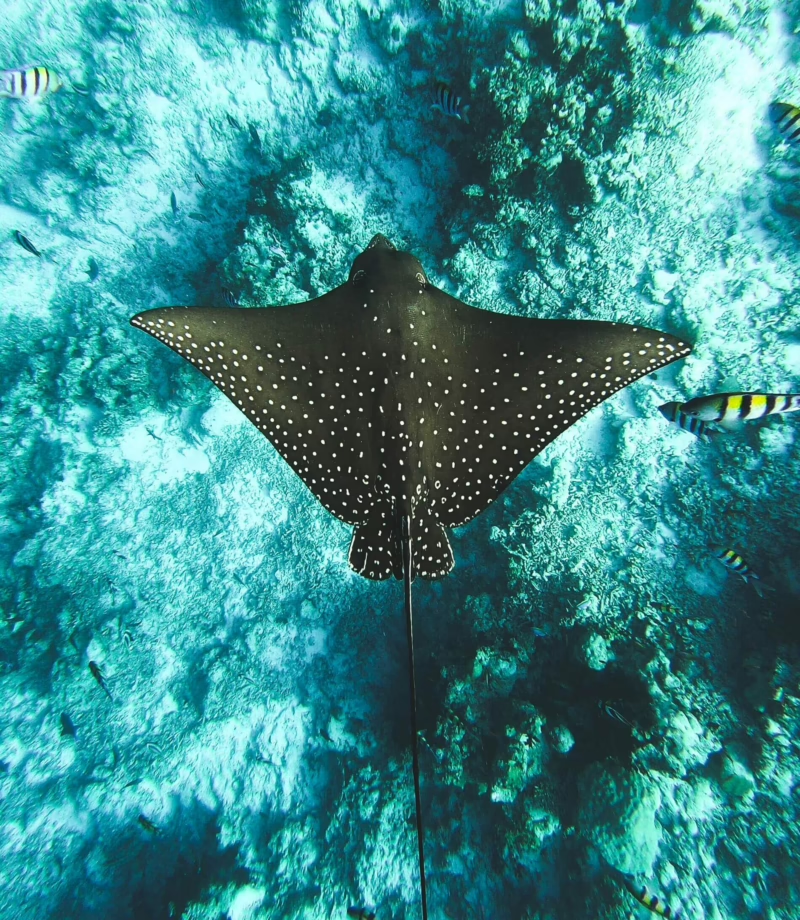
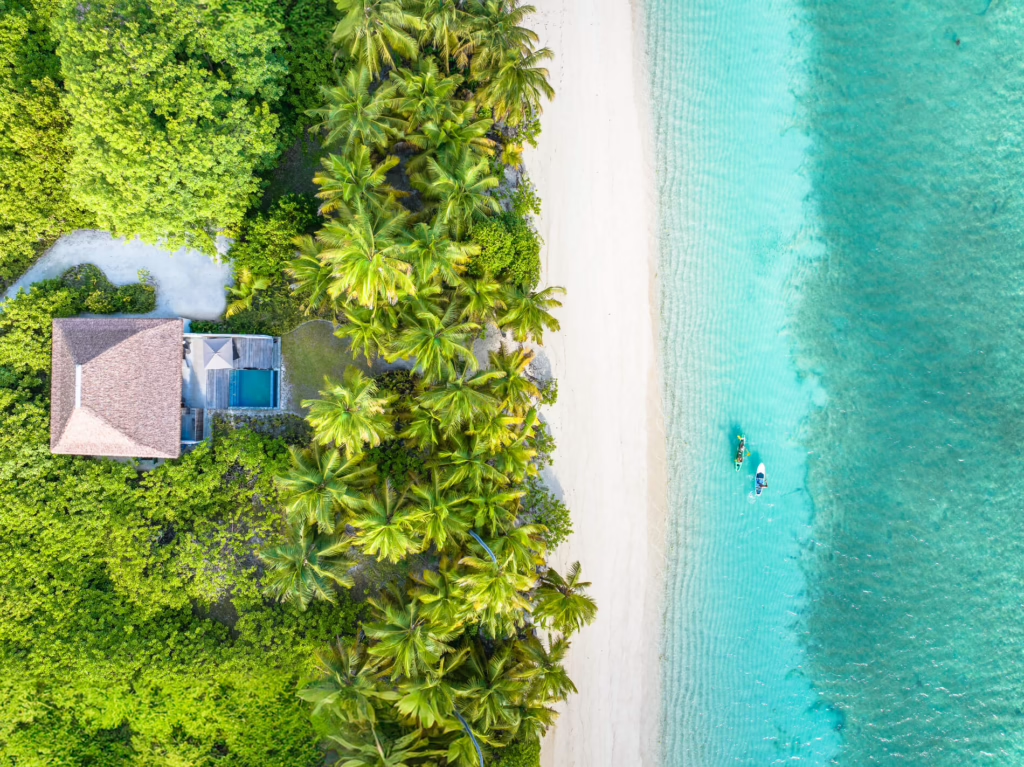
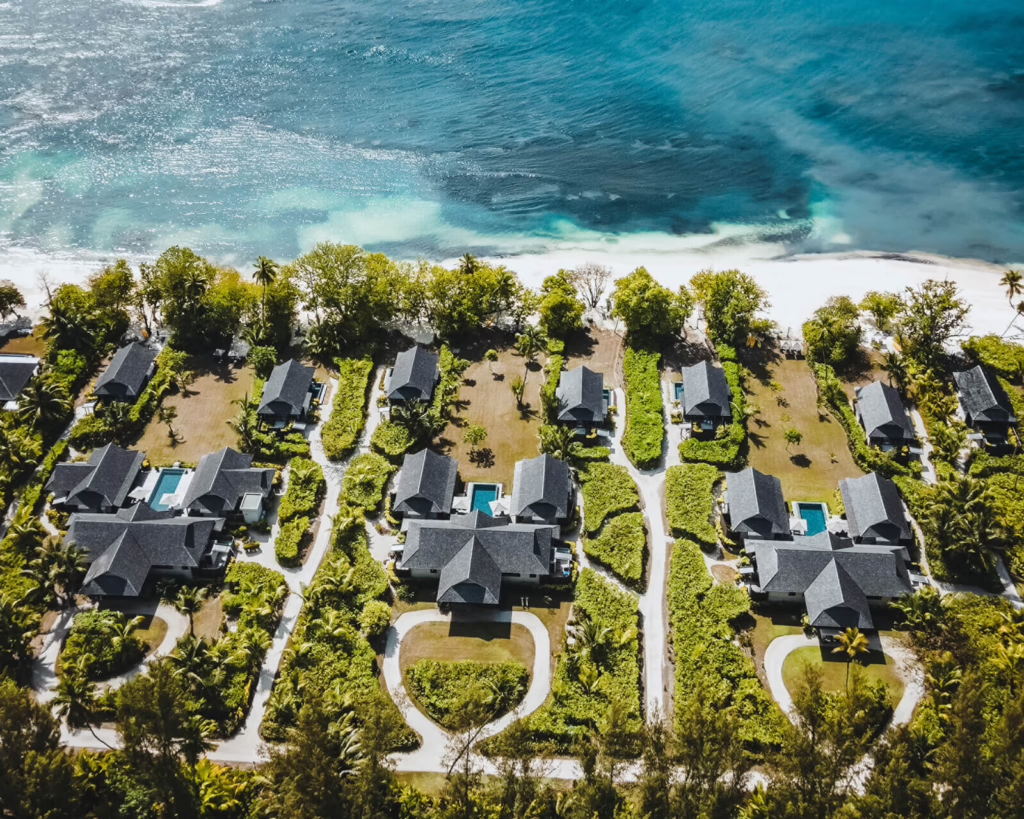
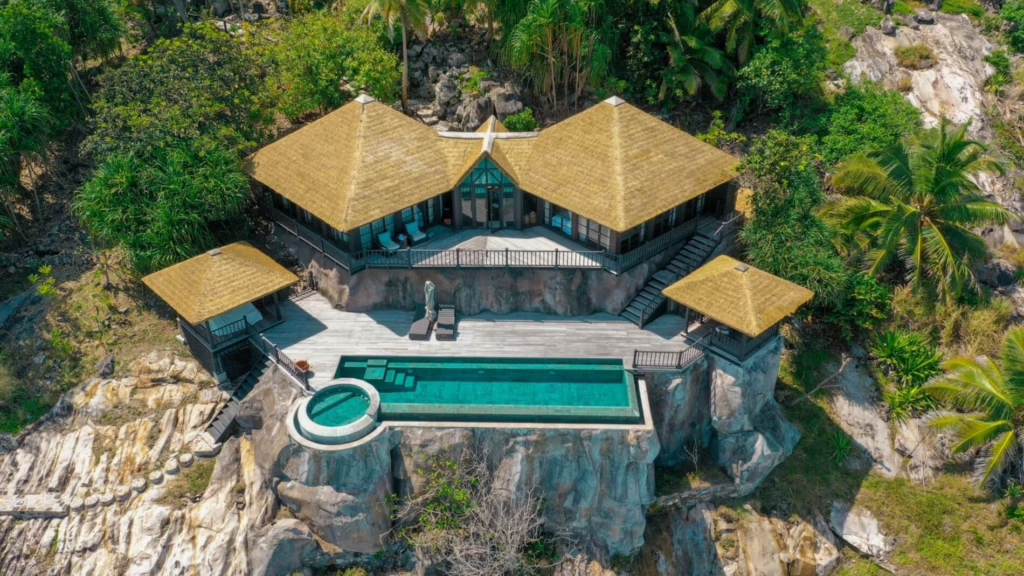
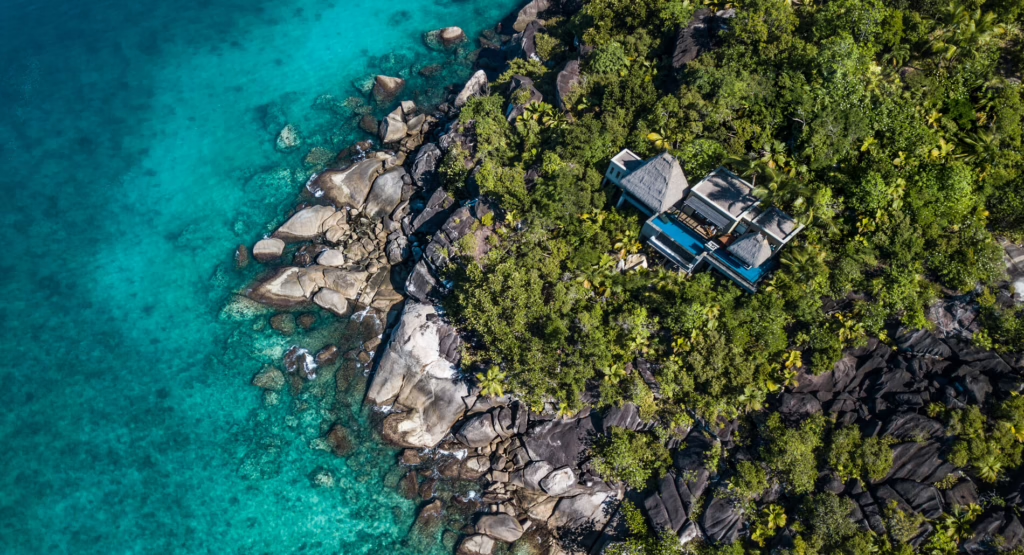
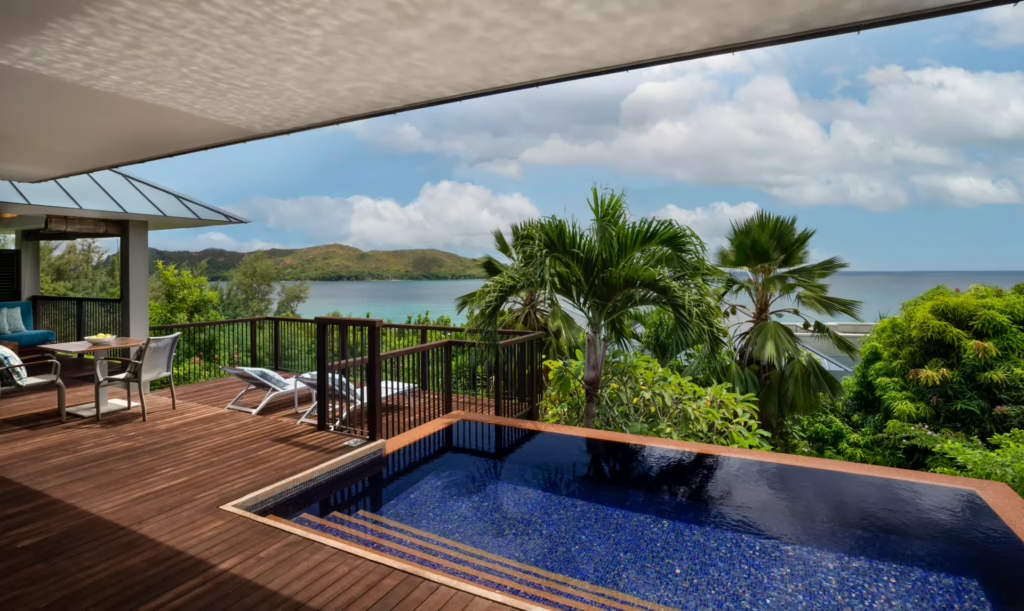
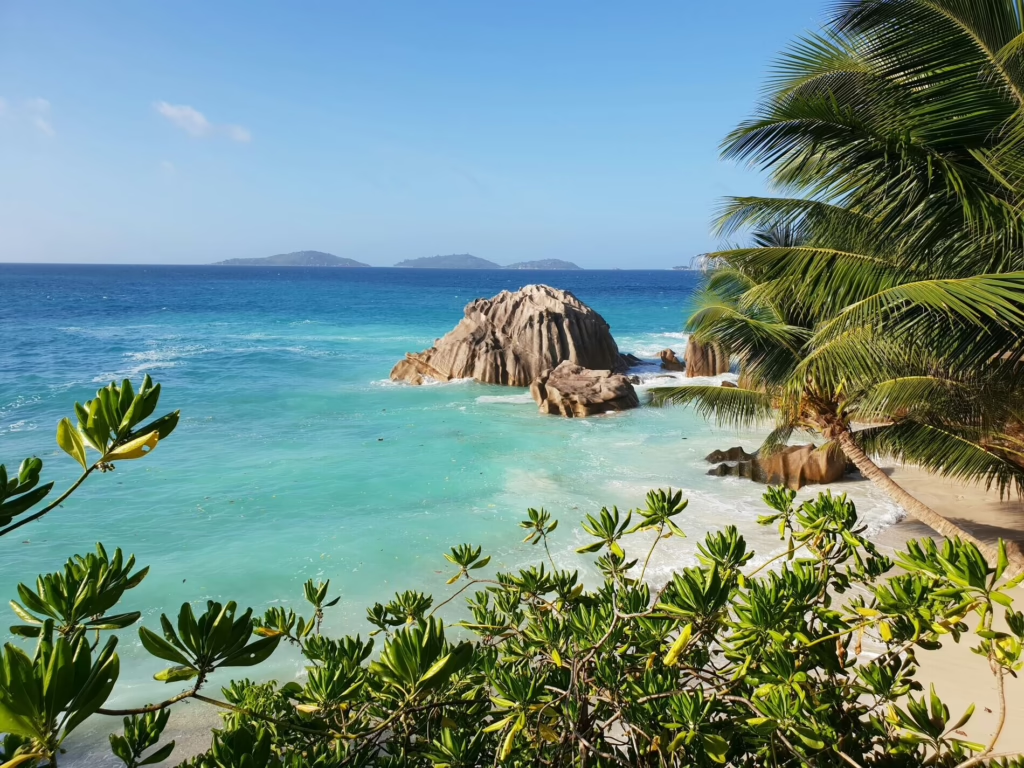
As if Mother Nature dropped 115 pearls across the Indian Ocean, the Seychelles is a picture-perfect paradise for good reason. With its trademark low-lying coral atolls, bleached beaches, arching palms and lapping shores, it’s as if she designed it with honeymooners in mind – but adventurers will find plenty to love, too. On Mahé, Creole, English and French influences mingle across colourful markets, lively cafés and historic streets, creating a captivating blend of colonial charm and cosmopolitan energy. While beneath the surface, an underwater utopia of coral reefs, whale sharks and barracuda awaits, while lush jungle trails, granite peaks and secluded coves offer plenty of reason to venture beyond the beach.
Start planning your tailor-made holiday to Seychelles or speak to a specialist 0203 930 3998
Specialist Tip
Don’t limit yourself to Mahé. Praslin and La Digue offer a completely different rhythm, with quiet granite-crated beaches, cycling as the main way to get around and the prehistoric palm forests of the Vallée de Mai.
Where we’ve been
Map Filters
Explore the region
EXPLORE THE SEYCHELLES
Our Favourite Places
Alphonse Island
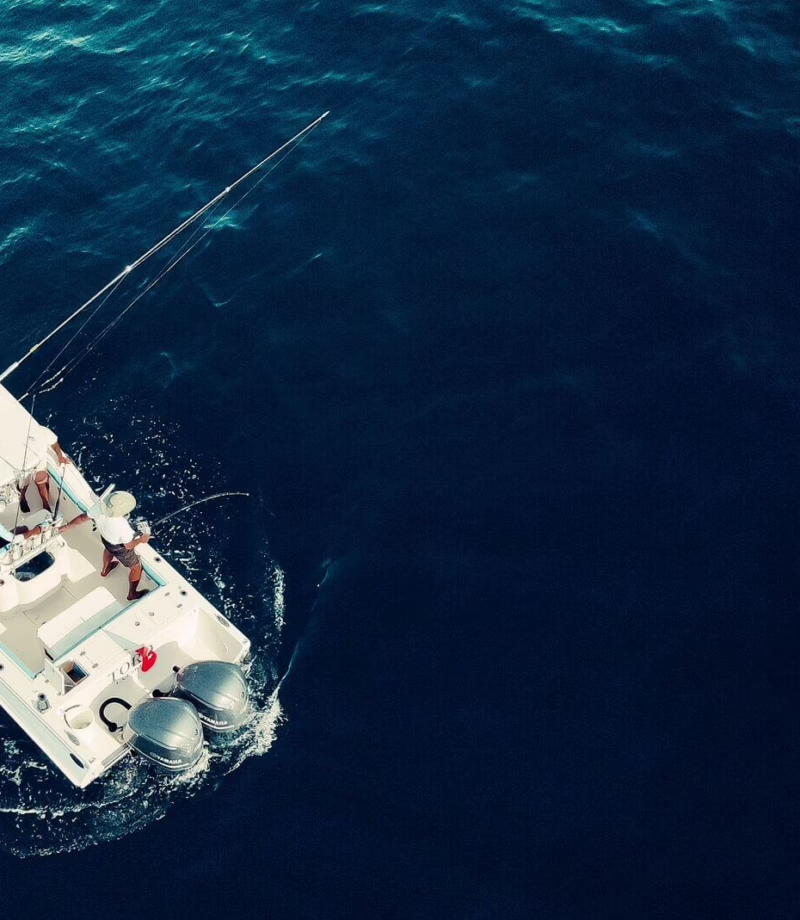
Alphonse Island lies far south of the Seychelles' main islands, a remote coral atoll reachable only by light aircraft and known chiefly among serious anglers. Its flats hold some of the best bonefishing in the world, along with giant trevally and other saltwater species that draw fly fishermen from across the globe. Beyond fishing, the island's single lodge and near-empty beaches make it one of the most private stays in the whole archipelago, well suited to travellers wanting genuine isolation.
Seychelles
Seychelles
True Travel Journal
From finding the right guide to unlocking hidden doors along Rome’s cobbled streets, to knowing which room offers a front-row view of Patagonia’s mountains at first light, or where to find Kyoto’s best counter seat, our journals are filled with the kind of insight that comes from years of travelling, planning and exploring.
Explore destination guides, travel news and stories from our specialists’ travels around the world, from new hotels and destinations to the experiences worth seeking out. Discover fresh ideas and insider knowledge to inspire your next trip.
Quick Answers
The Seychellois Rupee (SCR) is the local currency, though many private island resorts quote prices in euros or US dollars for accommodation and larger bills. Rupees are the practical choice for smaller purchases, taxis and tipping, and are readily available from ATMs on Mahé and Praslin.
Seychellois Creole holds official status alongside English and French, and you’ll hear all three in daily use, with Creole as the language most Seychellois speak among themselves. English is used confidently throughout tourism and hospitality, so this rarely presents any practical difficulty for visitors.
Seychelles operates on Seychelles Time (UTC+4) year-round, with no daylight saving changes. Being four hours ahead of GMT keeps European mornings and Seychelles afternoons within reasonable overlap, useful if you need to stay briefly reachable during a trip.
Tap water on Mahé and Praslin is generally safe to drink, produced in large part through desalination given the islands’ limited natural freshwater supply. Smaller and more remote private islands often rely on their own desalination or filtration systems, and bottled water is provided as standard at these properties as a precaution.
Cards are widely accepted at hotels, restaurants and larger shops, particularly on Mahé and Praslin, making Seychelles an easy destination for card-based spending. Small amounts of Rupees remain useful for local markets, taxis and tipping, especially on quieter islands where card machines are less consistently available.
Tipping is appreciated rather than obligatory, and many hotels already include a service charge, so it functions more as a genuine thank- you for standout service than an expected part of every transaction. This is a noticeably more relaxed approach than several safari destinations in the wider region, where tipping guides and camp staff is a firmer, more structured custom.
Seychelles predominantly uses Type G sockets, the same three-pin square fitting used in the UK, running at 240V. Most resorts provide at least one universal socket in-room, but packing your own adapter avoids depending on it, particularly at smaller or more remote island properties.
Mobile coverage on Mahé and Praslin is strong, and a local SIM is straightforward to arrange on arrival for calls and data. Coverage becomes noticeably weaker on smaller outer islands, and some private island resorts operate their own satellite-based wifi with limited bandwidth, which is worth knowing before you arrive expecting seamless connectivity throughout.
Reef-safe sun cream is genuinely important given how much snorkelling and diving features in most itineraries, alongside lightweight, breathable clothing suited to consistently warm, humid conditions year-round. If your route includes any of the outer islands, packing a soft-sided bag matters, since inter- island flights impose meaningful weight and shape restrictions that hard-shell luggage doesn’t accommodate well.
Seychellois culture is generally relaxed and informal, though a warm greeting before any request is still genuinely appreciated, particularly outside the main resort areas. Many private islands operate as conservation reserves with specific rules around coral, wildlife and plastic use, and following these closely matters more here than the usual courtesy of respecting house rules elsewhere.
Seychelles’ inner islands, including Mahé and Praslin, are granite and mountainous with lush forest and easy road access, while the outer islands are low-lying coral atolls, more remote, and reached only by light aircraft or boat. The distinction matters for planning, since outer island stays generally mean fewer amenities, longer transfers and a more secluded, castaway-style experience than the inner islands offer.
Yes, domestic flights between islands, particularly to the more remote outer atolls, impose a strict weight limit, typically around 15kg per person, carried in soft-sided bags due to the small aircraft used. Hard-shell suitcases don’t fit these aircraft’s limited hold space, so packing light and soft from the outset avoids a difficult repack at a small airstrip.
Many of Seychelles’ private islands operate as active conservation reserves, with strict rules against removing shells or coral, touching nesting turtles, and bringing single-use plastics onto the island. These aren’t symbolic guidelines but genuinely enforced conservation measures, and following them closely is treated as a basic expectation of any visit rather than an optional courtesy.
Fill out our trip finder form and find inspiration for your perfect holiday
Trip FinderWhy choose True Travel
Every destination, expertly understood
We only recommend what we know
Truly bespoke, never off-the-shelf
Every itinerary is built around your pace and interests
One specialist, start to finish
The same person from first call to flight home
Trusted for over 13 years
B Corp certified, ATOL protected, Award-winning
Map Filters
Explore everywhere we go
Guided Discovery
Select as many as you like. We'll use your choices to surface ideas from across the world.
Ideas selected for you
·