Specialist Tip
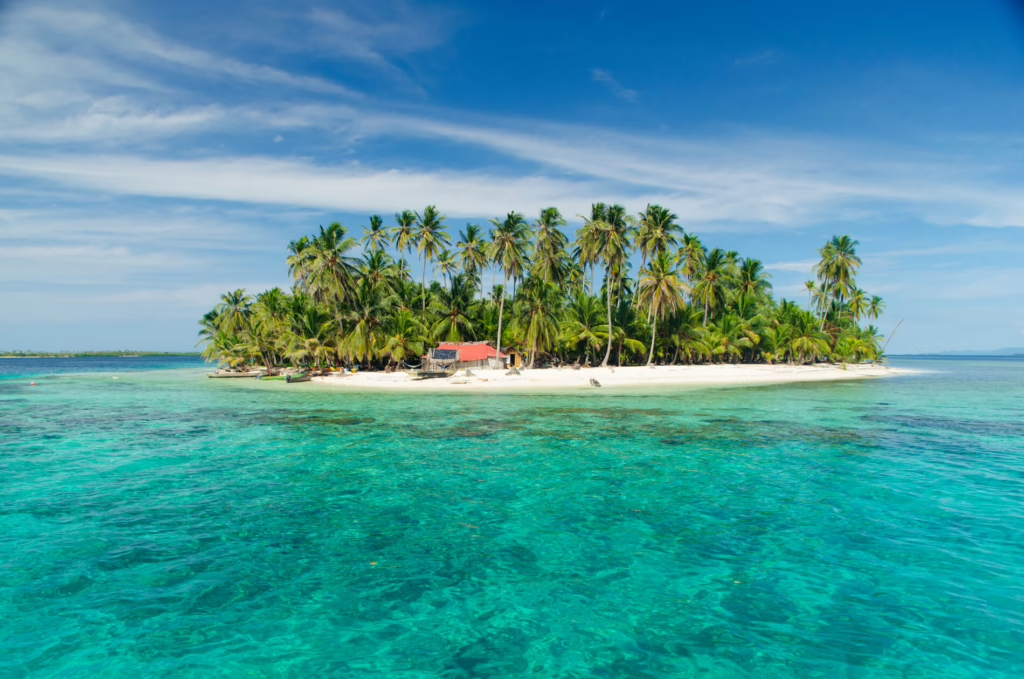
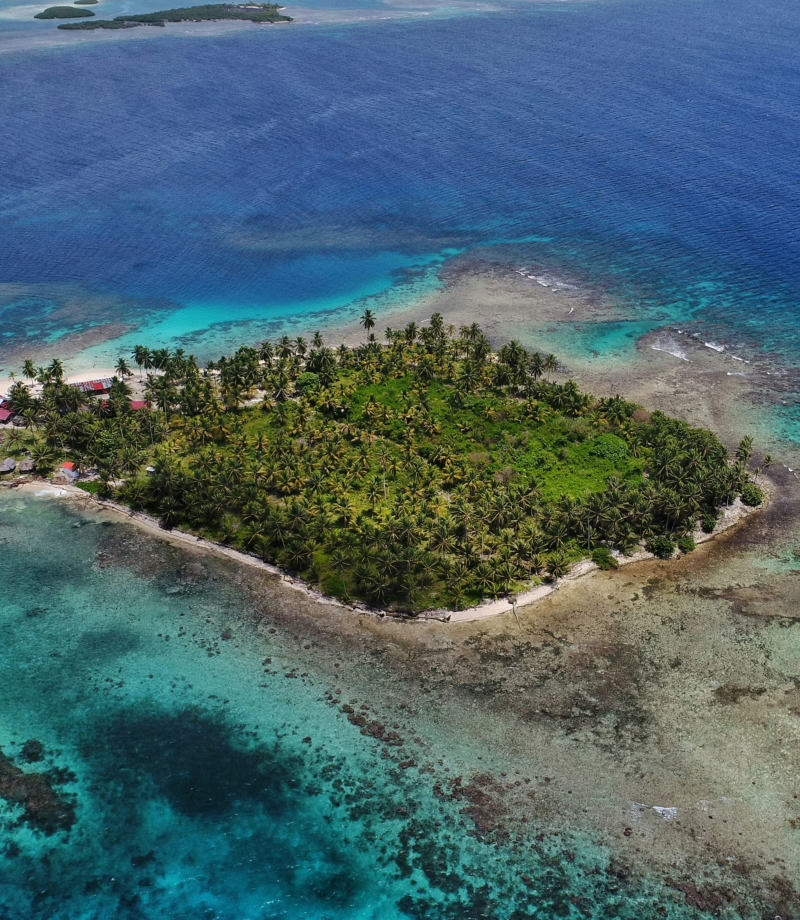
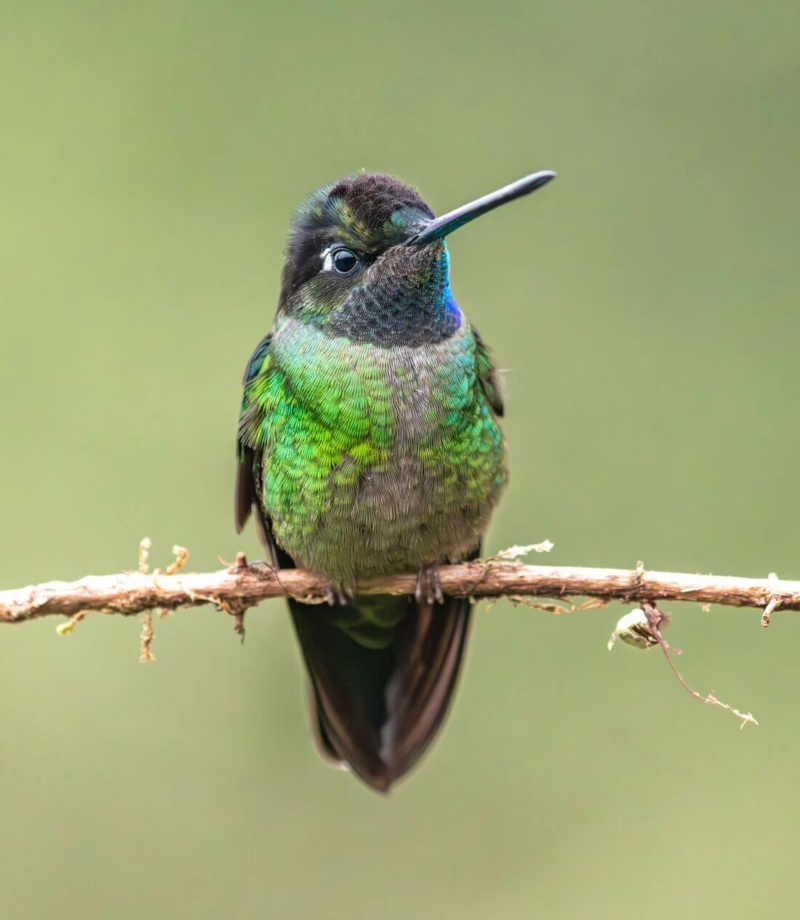
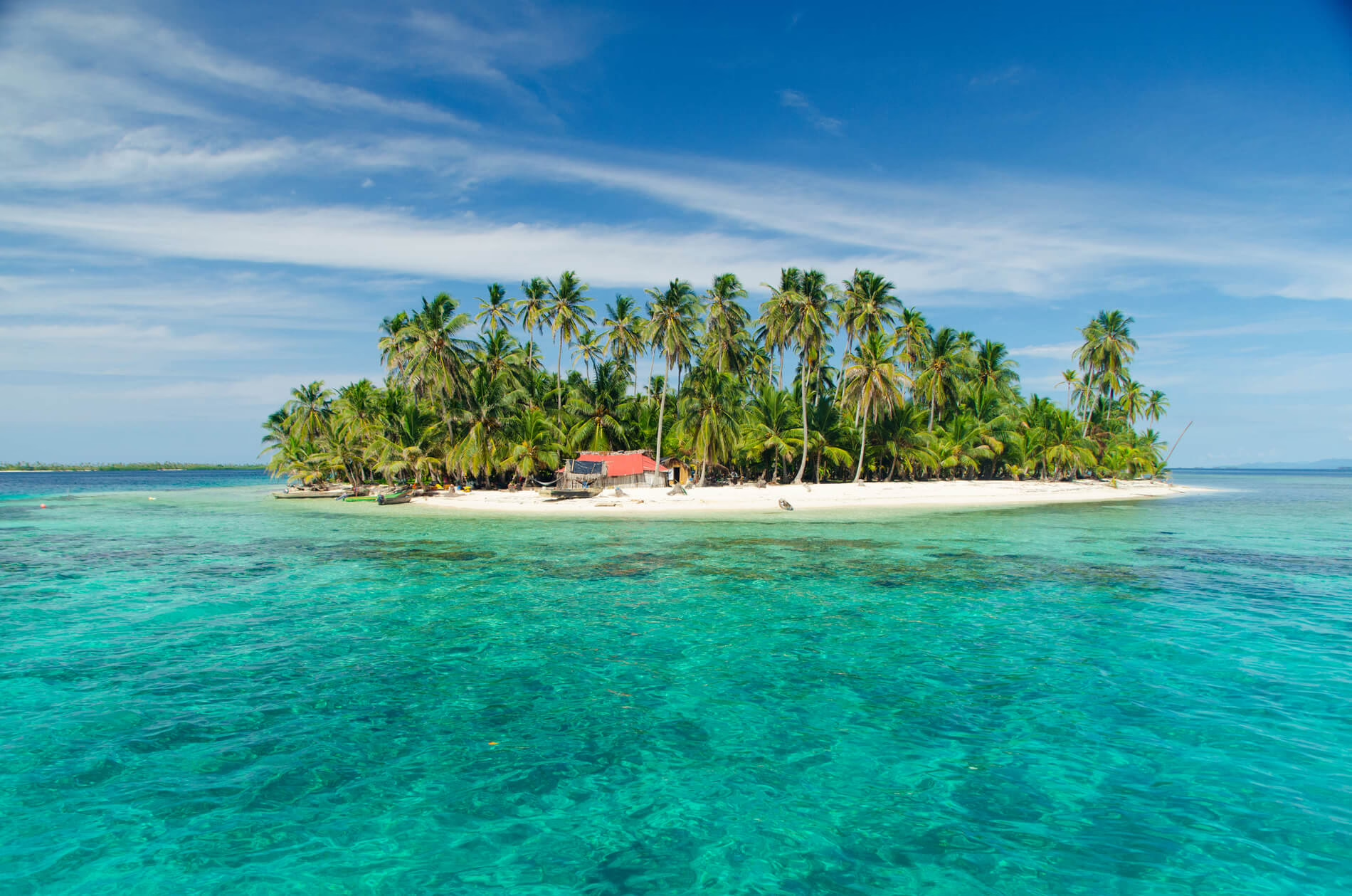
Panama is far more than its canal. Head to the San Blas Islands for pristine indigenous Caribbean culture, or the cloud forests of Boquete for hiking and birdwatching.
Luxury holidays to Panama
Panama with True Travel
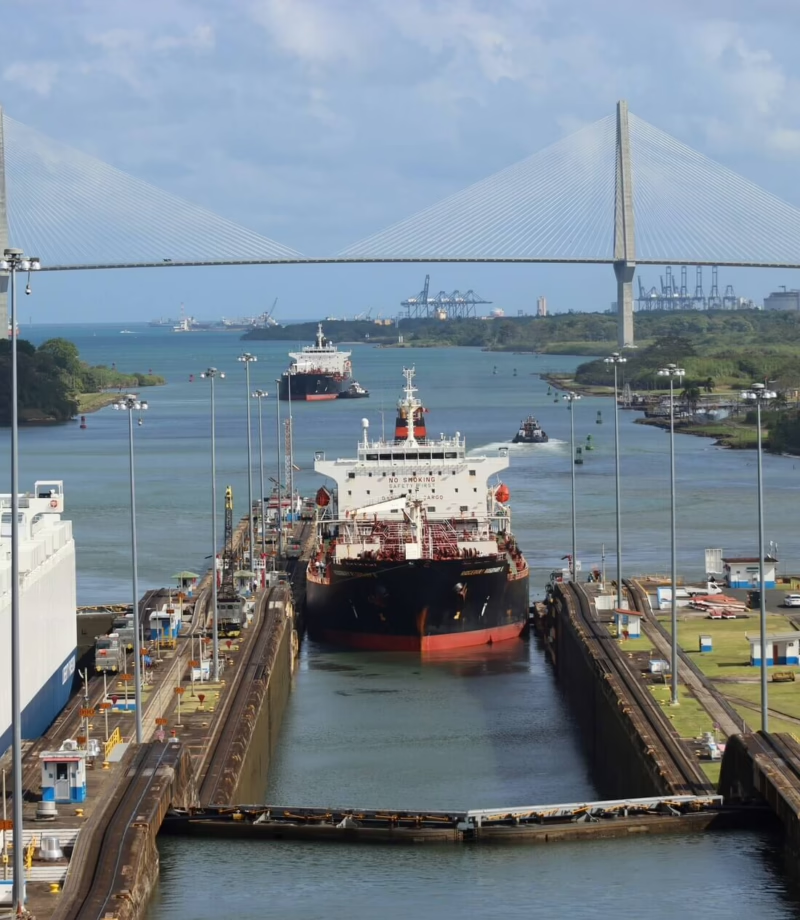
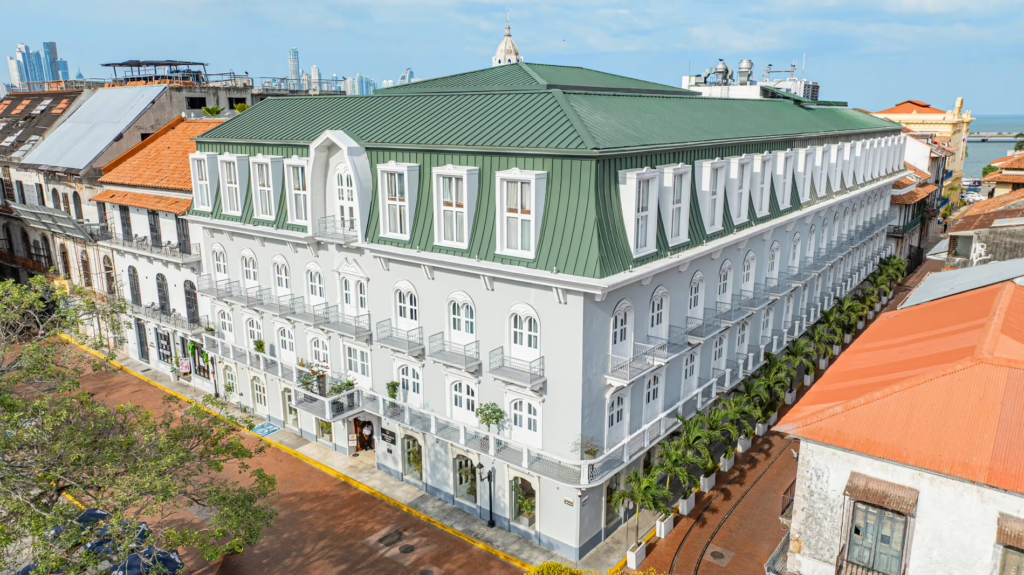
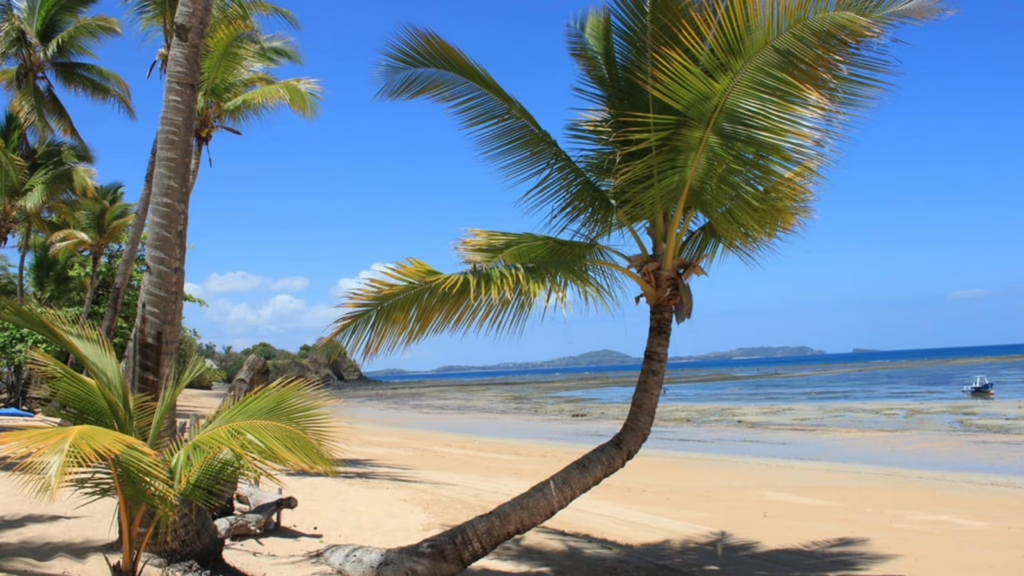
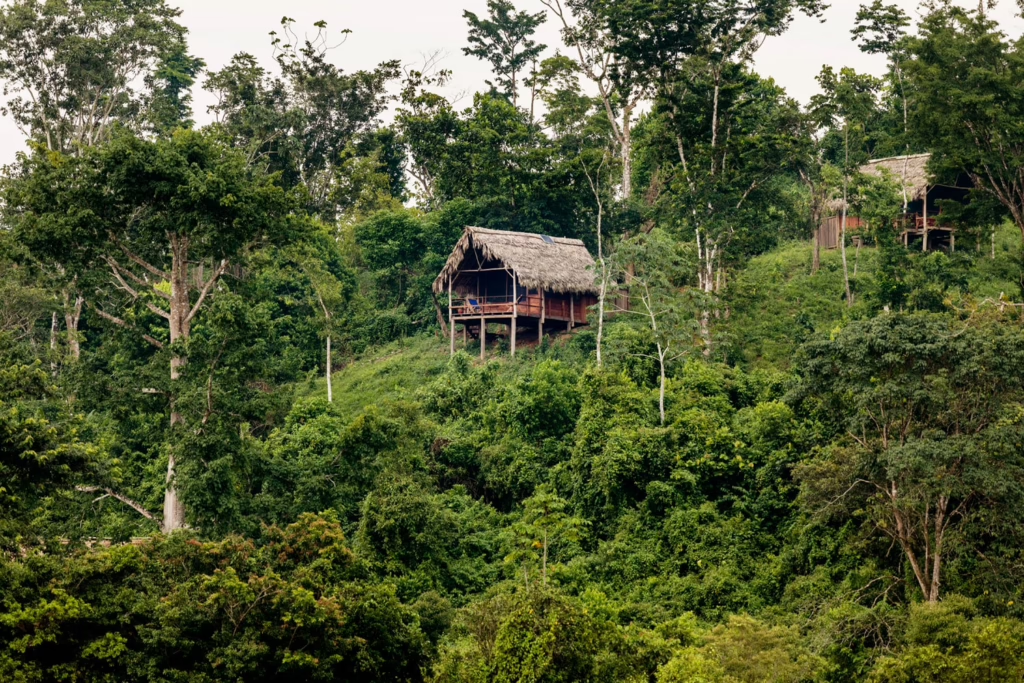
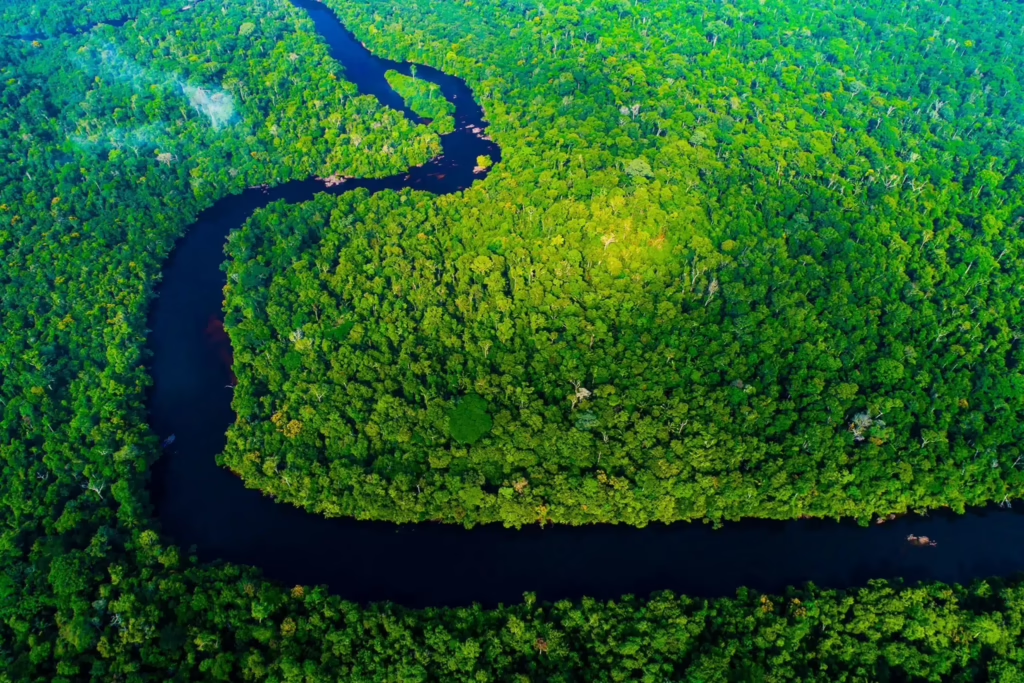
You can’t think of Panama without thinking of its canal. A meeting point between two continents and two oceans, it has made Panama a crossroads of the world. But there’s far more to this little country than one of the world’s greatest feats of engineering. Venture beyond the canal and you’ll find dense rainforest teeming with wildlife, palm-fringed Caribbean islands, volcanic highlands and Pacific beaches, all within surprisingly easy reach. Explore the vibrant streets of Panama City, cruise the canal as ships make their passage between oceans, or head into the jungle to discover communities and wildlife far from the usual tourist trail. Then retreat to private island hideaways, elegant city hotels and intimate jungle lodges, bringing a little luxury to a country made for exploration.
Start planning your tailor-made holiday to Panama or speak to a specialist 0203 930 3998
Specialist Tip
Panama is far more than its canal. Head to the San Blas Islands for pristine indigenous Caribbean culture, or the cloud forests of Boquete for hiking and birdwatching.
Where we’ve been
Map Filters
Explore the region
EXPLORE PANAMA
Our Favourite Places
Boquete and Chiriqui
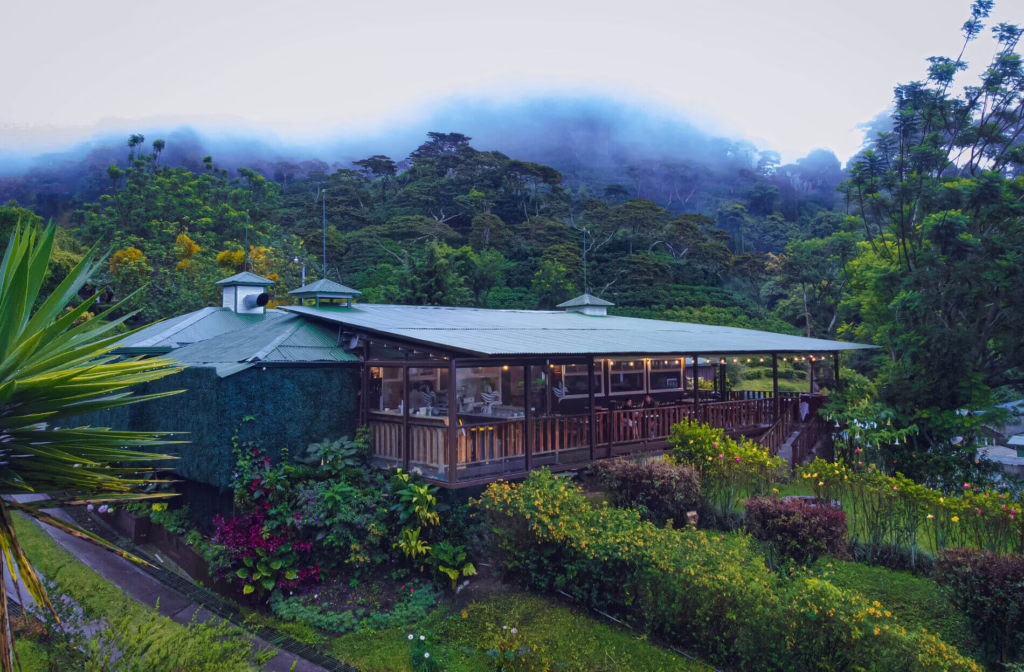
The Chiriqui highlands around Boquete offer a genuinely cool break from the heat and humidity found across most of Panama. Rich volcanic soil here supports thriving cacao, coffee and tropical fruit production, and the region has become known among serious coffee drinkers for some particularly sought-after beans. It is a good place to slow down, walk through farmland and highland scenery, and taste the results firsthand.
Panama
Panama
Panama
Panama
True Travel Journal
From finding the right guide to unlocking hidden doors along Rome’s cobbled streets, to knowing which room offers a front-row view of Patagonia’s mountains at first light, or where to find Kyoto’s best counter seat, our journals are filled with the kind of insight that comes from years of travelling, planning and exploring.
Explore destination guides, travel news and stories from our specialists’ travels around the world, from new hotels and destinations to the experiences worth seeking out. Discover fresh ideas and insider knowledge to inspire your next trip.
Quick Answers
The Miraflores Locks visitor centre near Panama City offers viewing platforms where you can watch ships transit the canal, though exact timings are unpredictable and depend on canal traffic and scheduling rather than a fixed timetable. Checking the visitor centre’s live schedule information on the day, rather than planning around a guessed transit time, gives the best chance of a good viewing window.
Panama uses the US Dollar directly for paper currency, with its own Balboa existing only as coinage pegged exactly to the dollar, making this one of the most currency-simple destinations for US travellers anywhere in the region. UK and other international visitors simply treat it as a US dollar economy without any local currency to learn.
Panama operates on Eastern Standard Time (UTC-5) year-round, a full hour ahead of Costa Rica’s UTC-6, despite the two countries sharing a border. This is worth checking specifically if your itinerary combines both countries, since flight and activity timings need to account for the shift.
Spanish is the official language, though English is unusually widely spoken here compared with several Central American neighbours, a legacy of the historic US presence around the Canal Zone and Panama’s large expatriate community. This makes Panama one of the more linguistically comfortable Spanish-speaking destinations in the region.
Yes, tap water in Panama City is treated to a high standard and safe to drink. In more remote areas, including some parts of the Guna Yala archipelago, bottled or filtered water is the sensible default instead.
Cards are widely accepted in Panama City’s hotels and restaurants, but Guna Yala and more rural areas lean more heavily on cash. Since the currency is effectively US dollars throughout, no conversion is needed, only the practical question of card versus cash access.
A 10 percent tip in restaurants is customary, and guides on Canal tours or excursions to Guna Yala are typically tipped directly in cash. This follows a broadly similar pattern to tipping elsewhere in Central America.
Panama uses Type A and Type B sockets, the same flat two or three-pin design used in the US, running at 120V. This applies consistently throughout the country, so US travellers can generally use their own devices without an adapter.
No, despite the name, the Panama hat originates from Ecuador, where it’s still traditionally woven, and it only became associated with Panama after canal workers and travellers passing through popularised it in the early twentieth century. It’s a genuinely common misconception worth knowing before buying one as a “Panama” souvenir.
Guna Yala is a semi-autonomous indigenous territory with its own entry fee and customs separate from mainland Panama, home to the Guna people who are known for their intricate mola textile art, traditionally handmade and sold directly by the artisans themselves. Asking before photographing individuals and purchasing molas directly from Guna sellers, rather than intermediaries, both show genuine respect for the community’s autonomy and craft.
Fill out our trip finder form and find inspiration for your perfect holiday
Trip FinderWhy choose True Travel
Every destination, expertly understood
We only recommend what we know
Truly bespoke, never off-the-shelf
Every itinerary is built around your pace and interests
One specialist, start to finish
The same person from first call to flight home
Trusted for over 13 years
B Corp certified, ATOL protected, Award-winning
Map Filters
Explore everywhere we go
Guided Discovery
Select as many as you like. We'll use your choices to surface ideas from across the world.
Ideas selected for you
·