Specialist Tip
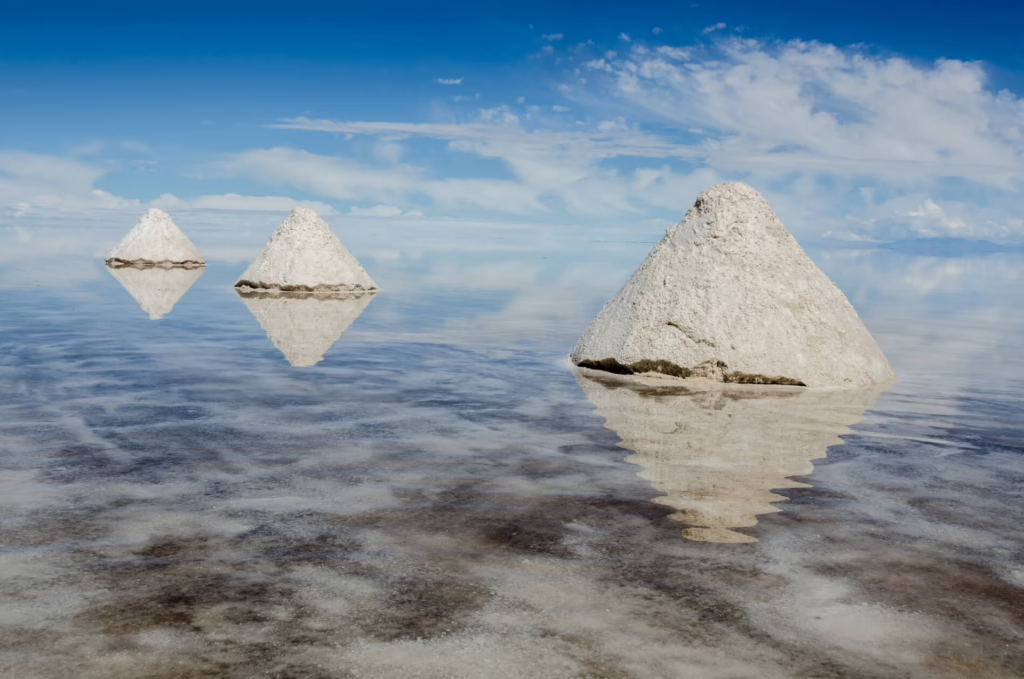
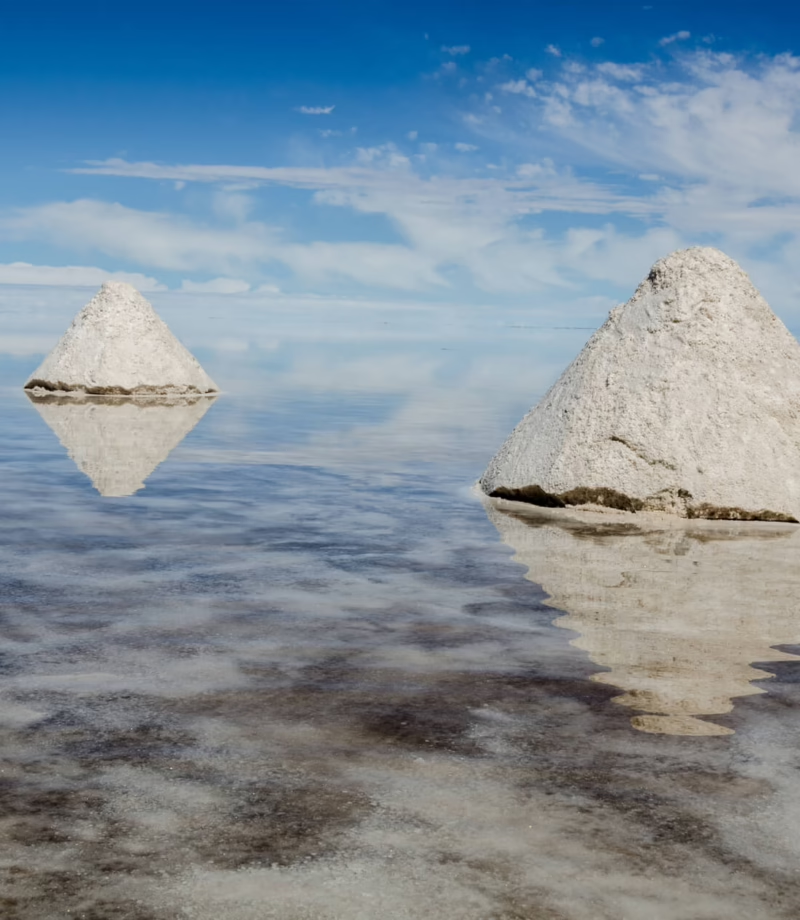
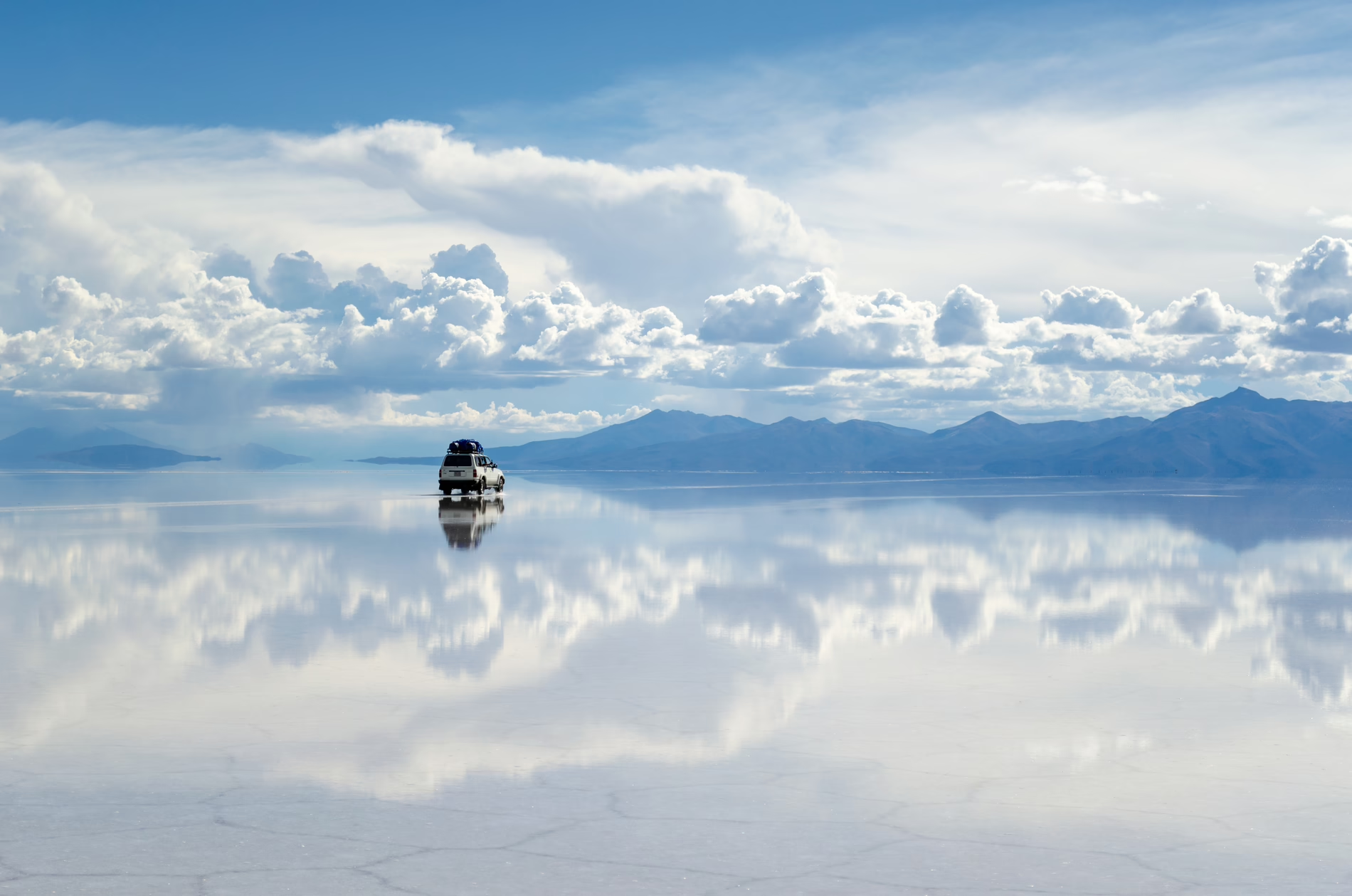
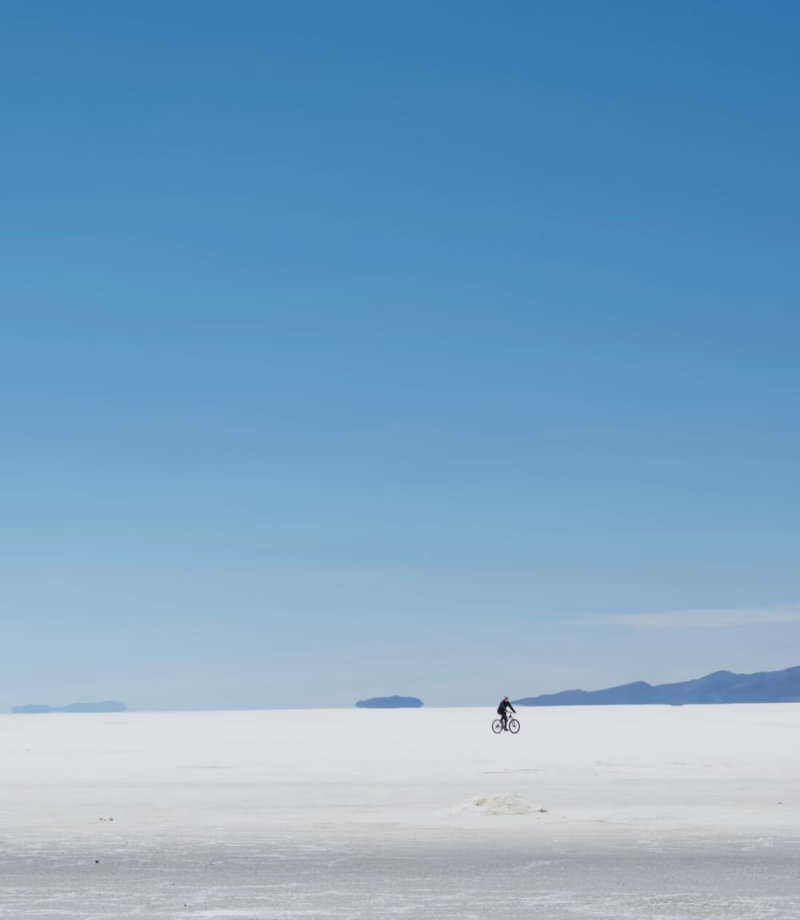
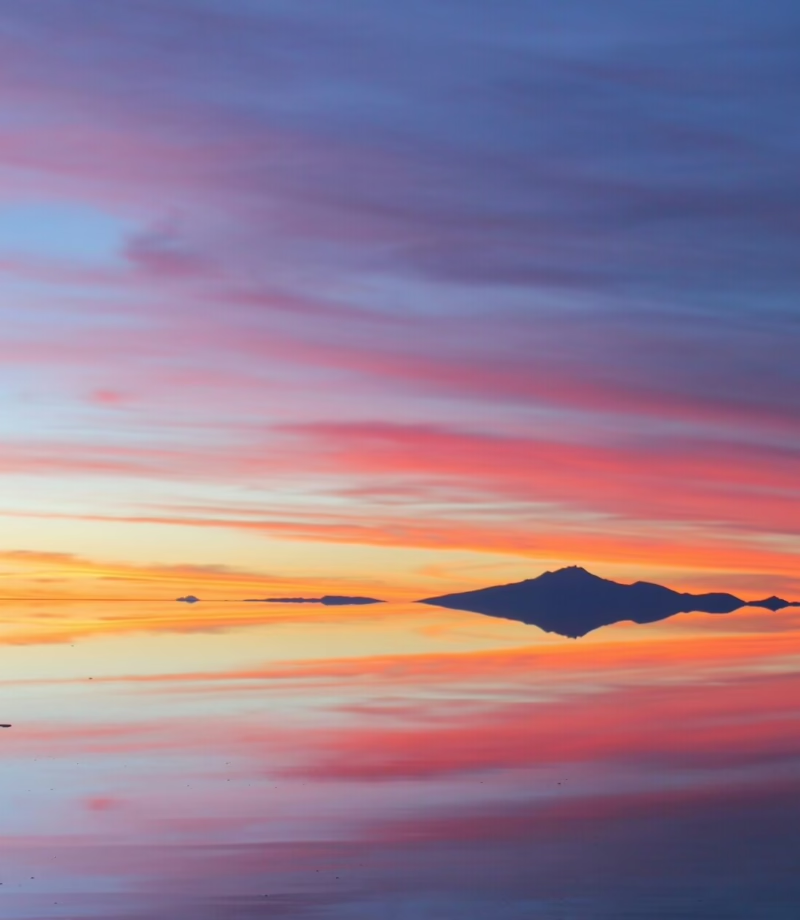
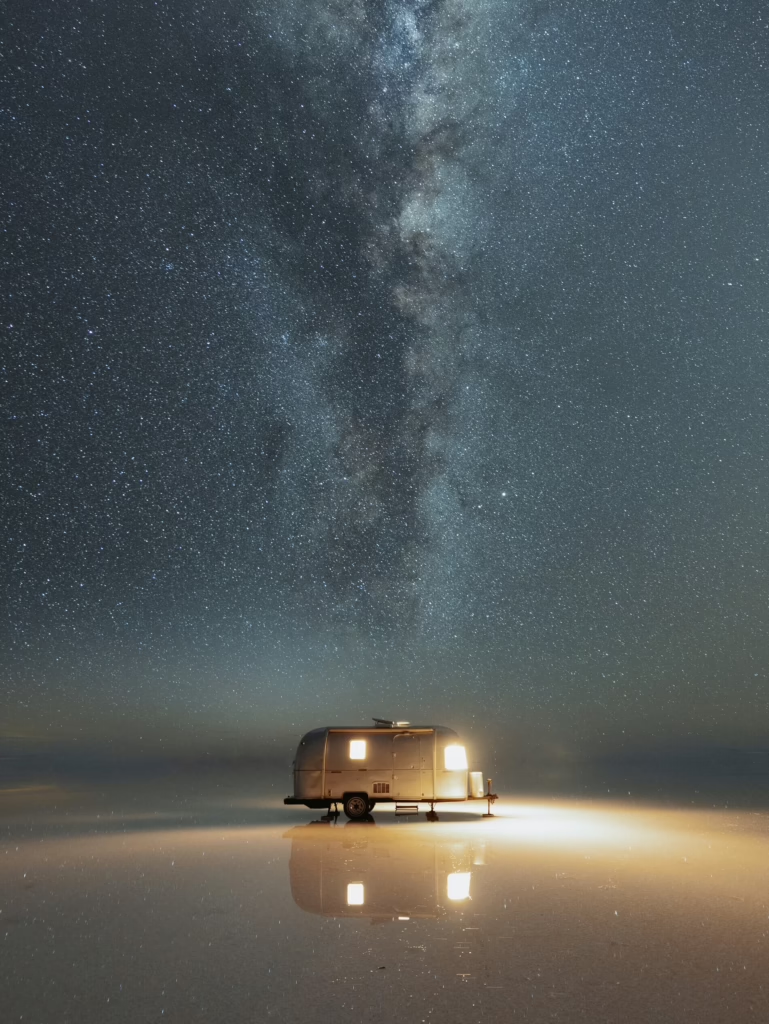
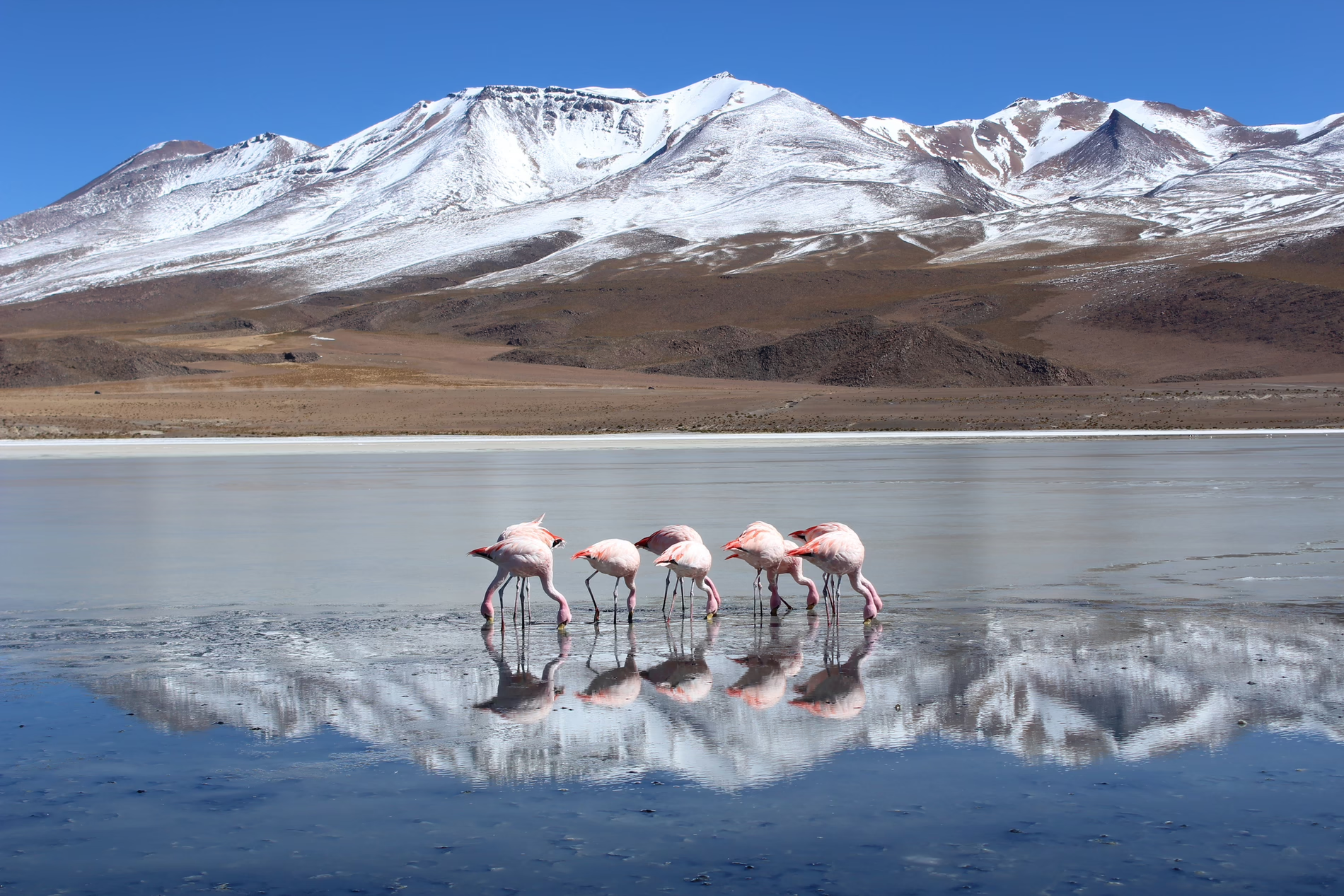
Visiting the Salar de Uyuni during the rainy season (December to April) creates a giant mirror reflection across the salt flats, while the dry season allows you to drive across the crisp white surface.
Luxury holidays in Bolivia
Bolivia with True Travel
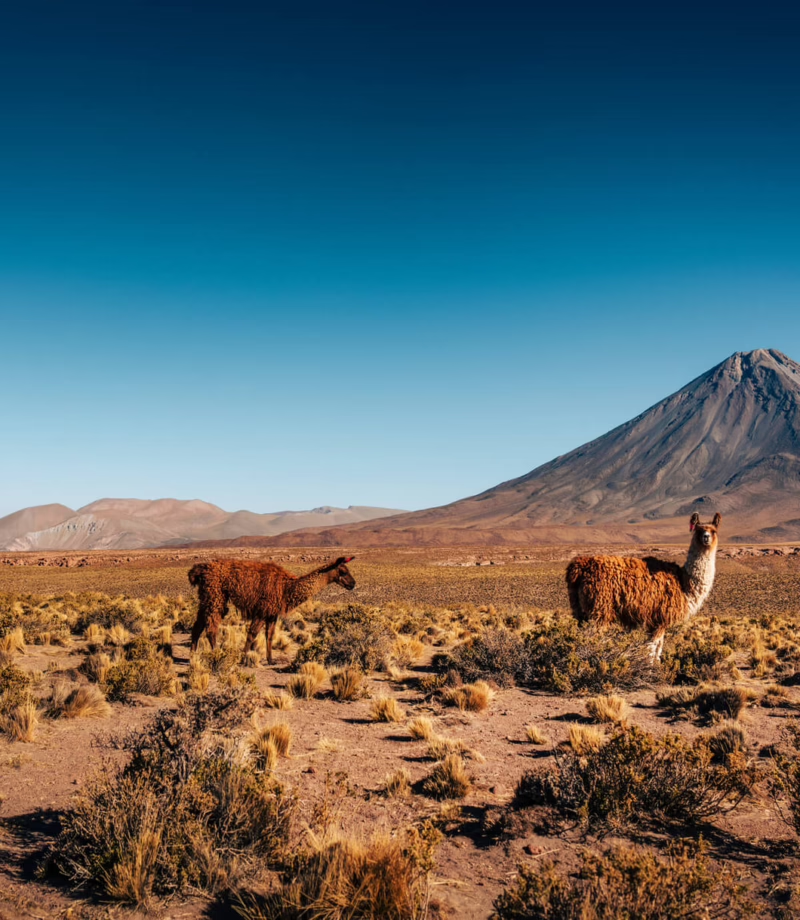
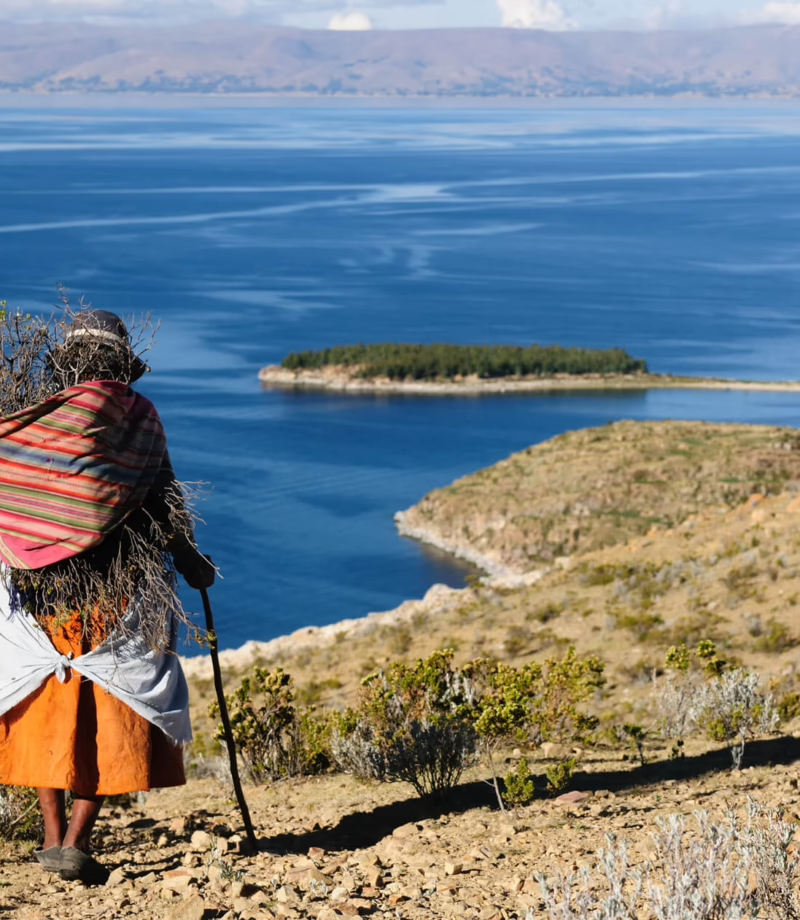
Long overlooked by its tourism juggernaut neighbours, landlocked Bolivia is one of South America’s most intriguing destinations. Snow-capped peaks, vast high-altitude plains, colourful deserts and tropical forests pack an extraordinary amount of variety into one country. In La Paz, markets spill onto steep streets beneath the Andes, while just beyond the city, the surreal Valle de la Luna feels more Martian than South American. Further south, the Uyuni Salt Flats stretch towards the horizon in a dazzling expanse of white, surrounded by flamingo-filled lagoons, volcanic peaks and steaming geysers. There’s history here too, from the ancient ruins of Tiwanaku to the elegant colonial streets of Sucre. And for those who venture further, the Bolivian Amazon offers a completely different world of wildlife, rainforest and indigenous communities.
Start planning your tailor-made holiday to Bolivia or speak to a specialist 0203 930 3998
Specialist Tip
Visiting the Salar de Uyuni during the rainy season (December to April) creates a giant mirror reflection across the salt flats, while the dry season allows you to drive across the crisp white surface.
Where we’ve been
Map Filters
Explore the region
EXPLORE BOLIVIA
Our Favourite Places
Salar de Uyuni
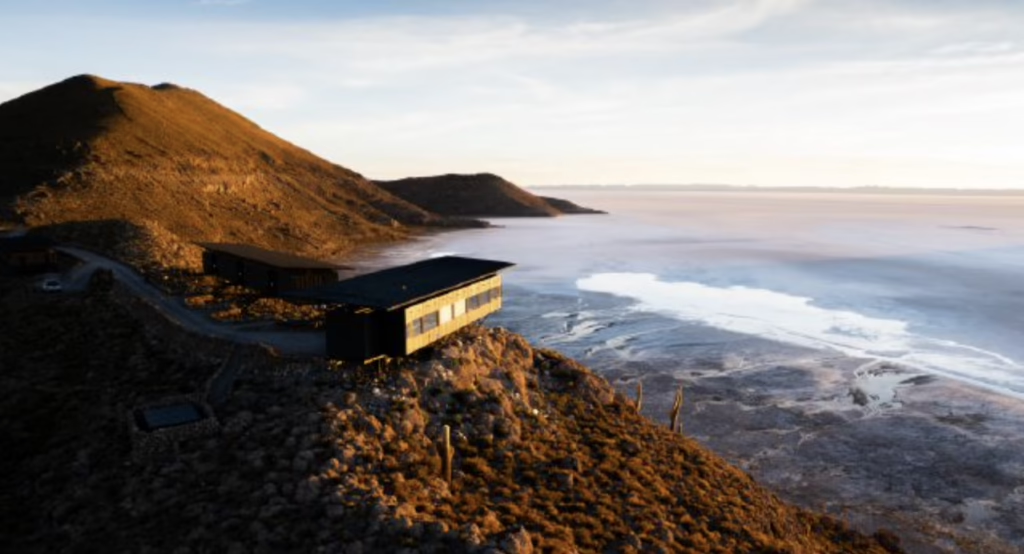
The Salar de Uyuni is the largest salt flat in the world, over 10,000 square kilometres of blinding white crust left behind by a prehistoric lake, and in the wet season a thin layer of water turns the entire surface into a mirror. Islands of ancient cacti break up the flat in places, and multi-day crossings typically continue into the coloured lagoons and geysers of the surrounding altiplano. Few landscapes in South America are quite as disorienting, or as photographed, as this one.
Bolivia
Bolivia
Bolivia
True Travel Journal
From finding the right guide to unlocking hidden doors along Rome’s cobbled streets, to knowing which room offers a front-row view of Patagonia’s mountains at first light, or where to find Kyoto’s best counter seat, our journals are filled with the kind of insight that comes from years of travelling, planning and exploring.
Explore destination guides, travel news and stories from our specialists’ travels around the world, from new hotels and destinations to the experiences worth seeking out. Discover fresh ideas and insider knowledge to inspire your next trip.
Quick Answers
La Paz sits at roughly 3,600 metres, with El Alto airport even higher, making altitude sickness a genuine concern for virtually every visitor rather than something limited to strenuous trekking. Taking it genuinely easy on your first day, avoiding alcohol and heavy exertion, staying well hydrated, and discussing altitude medication options with a doctor before you travel all make a real difference to how the adjustment feels.
Coca leaf, chewed or brewed as tea, is a traditional and entirely legal remedy for altitude discomfort throughout the Andes, offered widely and genuinely believed by locals to ease symptoms like headache and fatigue. It’s worth knowing that coca leaf is legal within Bolivia and Peru but not something to carry across most international borders afterwards, even in small amounts.
The Bolivian Boliviano (BOB) is the local currency, and ATMs in La Paz and Sucre are reasonably reliable, though it’s worth withdrawing what you need in the cities rather than relying on machines in more remote areas like the Salar de Uyuni region. US dollars are also useful as a backup for larger purchases or tours.
Spanish is the official language alongside several indigenous languages, including Quechua and Aymara, which hold co-official status and remain widely spoken, particularly in rural highland communities. English is spoken in tourist-facing roles in La Paz and Sucre but becomes considerably less reliable elsewhere.
Bolivia operates on Bolivia Time (BOT, UTC-4) year- round, with no daylight saving changes. Given how disorienting altitude adjustment can already feel on arrival, keeping your schedule simple for the first day or two, rather than planning an ambitious itinerary immediately, is worth doing regardless of time zone.
Tap water is not safe to drink anywhere in Bolivia, including La Paz. Bottled or filtered water is provided as standard at hotels and should be your default throughout, which matters even more here given how important staying well hydrated is for managing altitude.
Cards are accepted at larger hotels and established restaurants in La Paz and Sucre, but markets, smaller eateries and tours in more remote areas like Uyuni typically expect cash. Bolivianos in small denominations, alongside some US dollars, cover most situations more reliably than relying on cards.
Tipping is appreciated rather than deeply obligatory, with a modest amount for guides and drivers on tours being the standard practice rather than a fixed percentage. This is a lighter expectation than several neighbouring South American countries, and small cash given directly is the practical approach.
Bolivia uses a mix of Type A and Type C sockets, running at 230V. A universal adapter is worth packing given this variation, particularly if your itinerary moves between La Paz hotels and smaller guesthouses elsewhere.
The Salar de Uyuni’s white salt surface reflects sunlight intensely, meaning UV exposure is considerably stronger than the ambient temperature suggests, while the same location can swing from hot midday sun to genuinely freezing temperatures after dark. Strong sun protection during the day and proper warm layers for evening, packed together rather than choosing one or the other, are both essential for this specific stretch of a Bolivia itinerary.
Sucre is Bolivia’s constitutional capital and seat of the judiciary, while La Paz functions as the seat of government and the city most visitors experience as the practical capital, a division rooted in a historic civil conflict over where power should sit. This is worth knowing simply so the political geography of an itinerary combining both cities makes sense, rather than assuming one city holds every function.
Fill out our trip finder form and find inspiration for your perfect holiday
Trip FinderWhy choose True Travel
Every destination, expertly understood
We only recommend what we know
Truly bespoke, never off-the-shelf
Every itinerary is built around your pace and interests
One specialist, start to finish
The same person from first call to flight home
Trusted for over 13 years
B Corp certified, ATOL protected, Award-winning
Map Filters
Explore everywhere we go
Guided Discovery
Select as many as you like. We'll use your choices to surface ideas from across the world.
Ideas selected for you
·