Specialist Tip
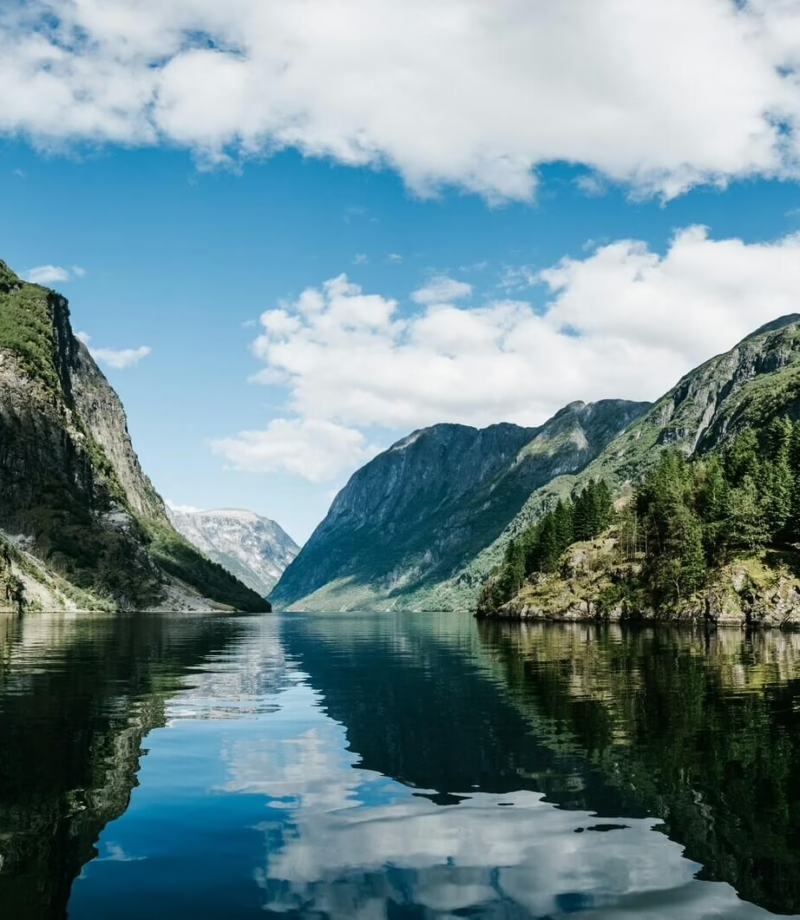
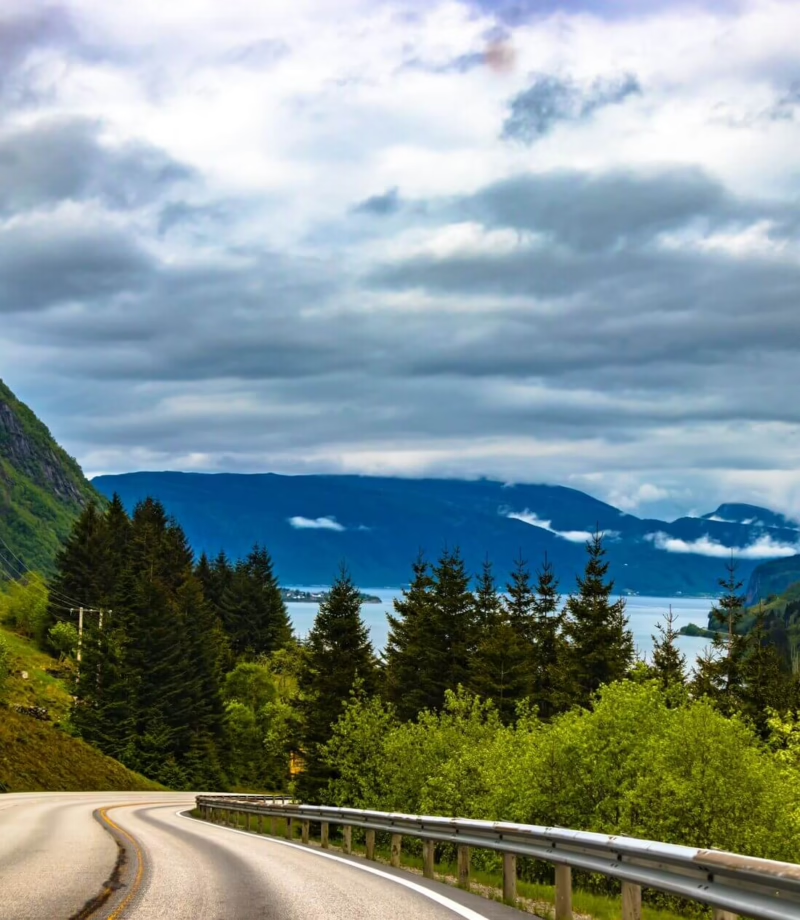
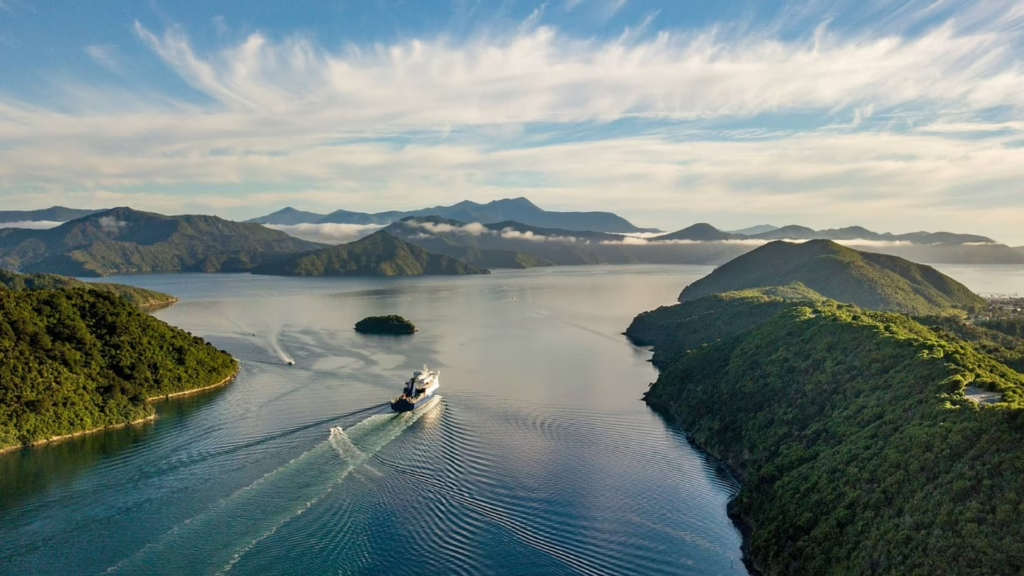
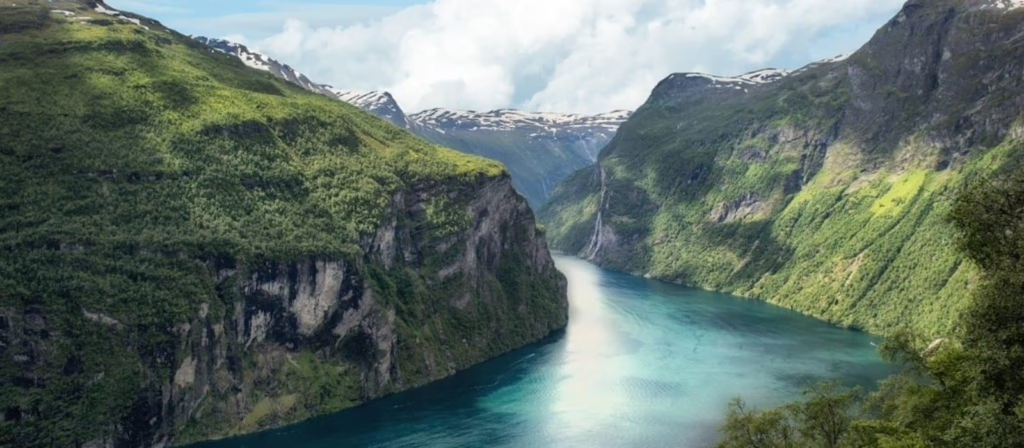
Experience Norway’s fjords from both sea and shore. A scenic cruise gives a sense of scale below towering cliffs, while driving mountain roads or taking fjord hikes provides stunning vantage points from above.
Luxury holidays in Norway
Norway with True Travel
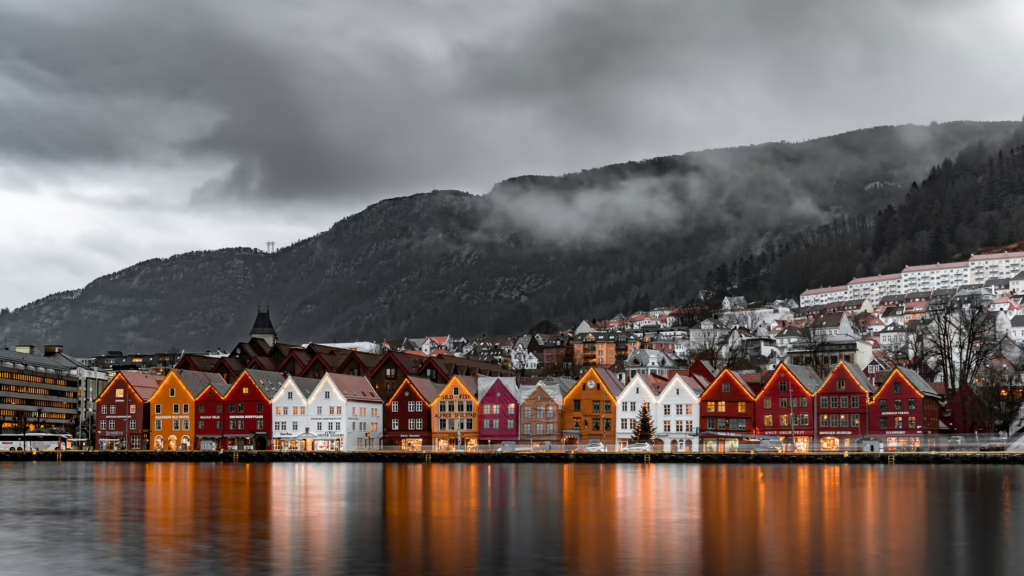
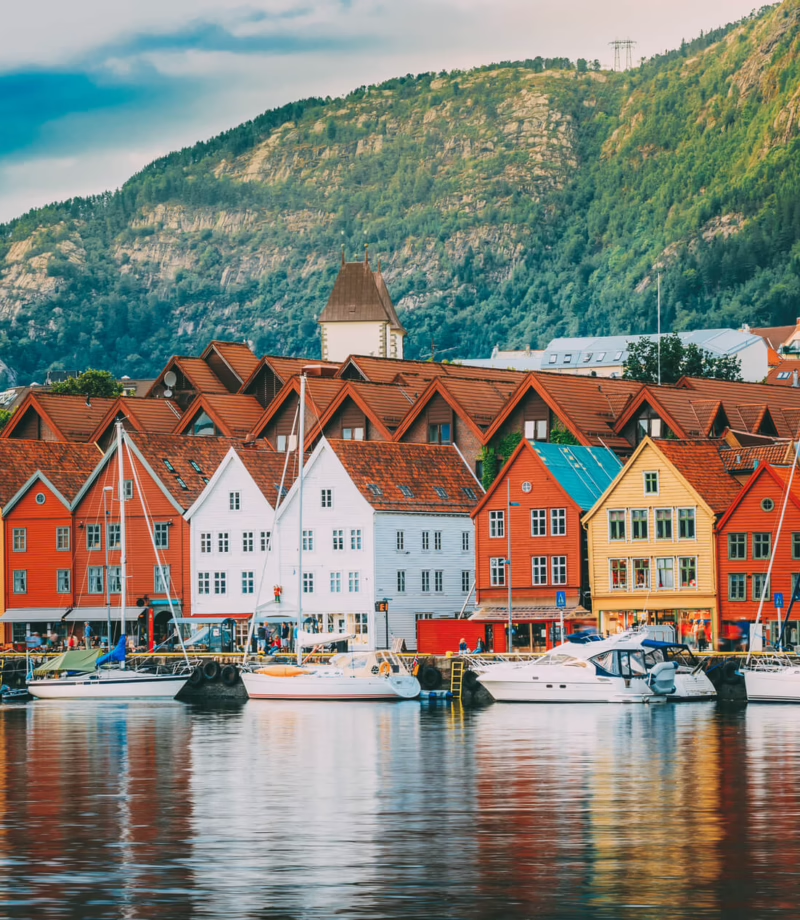
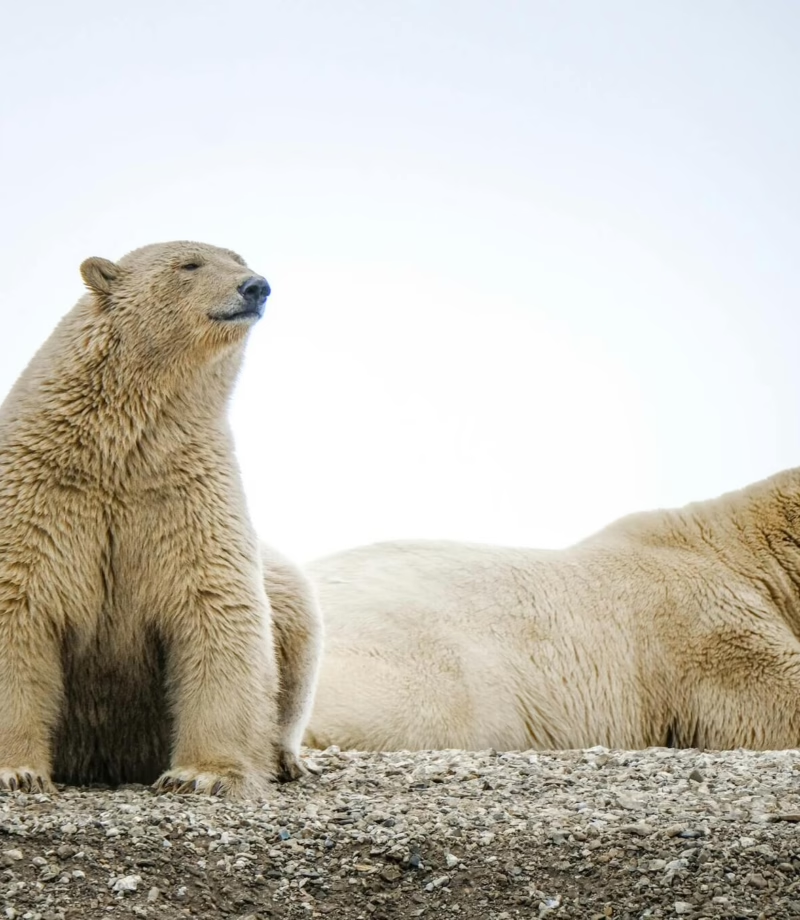
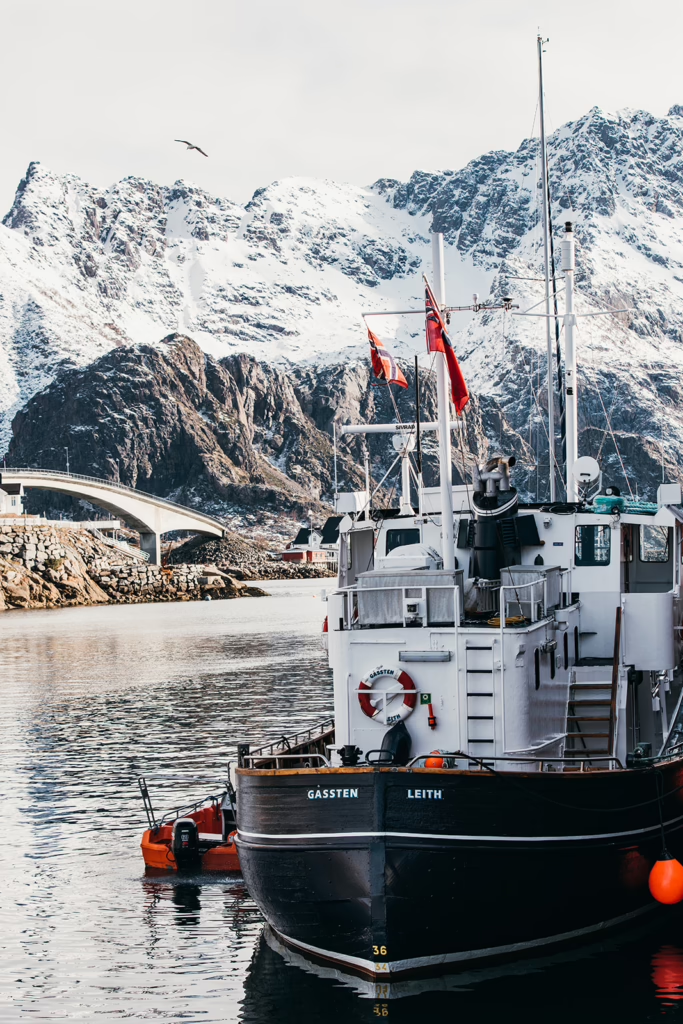
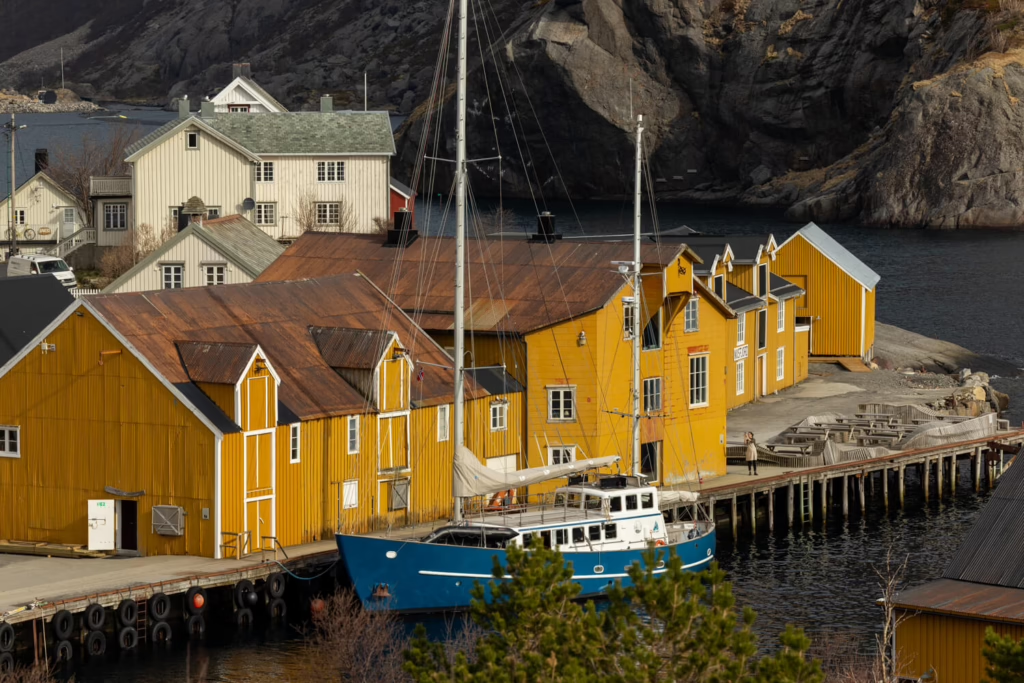
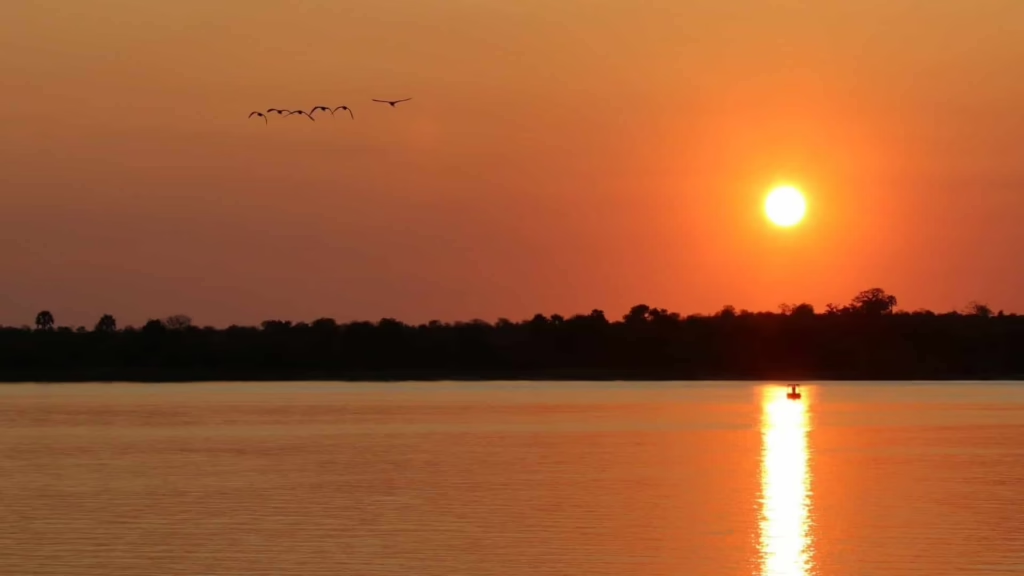
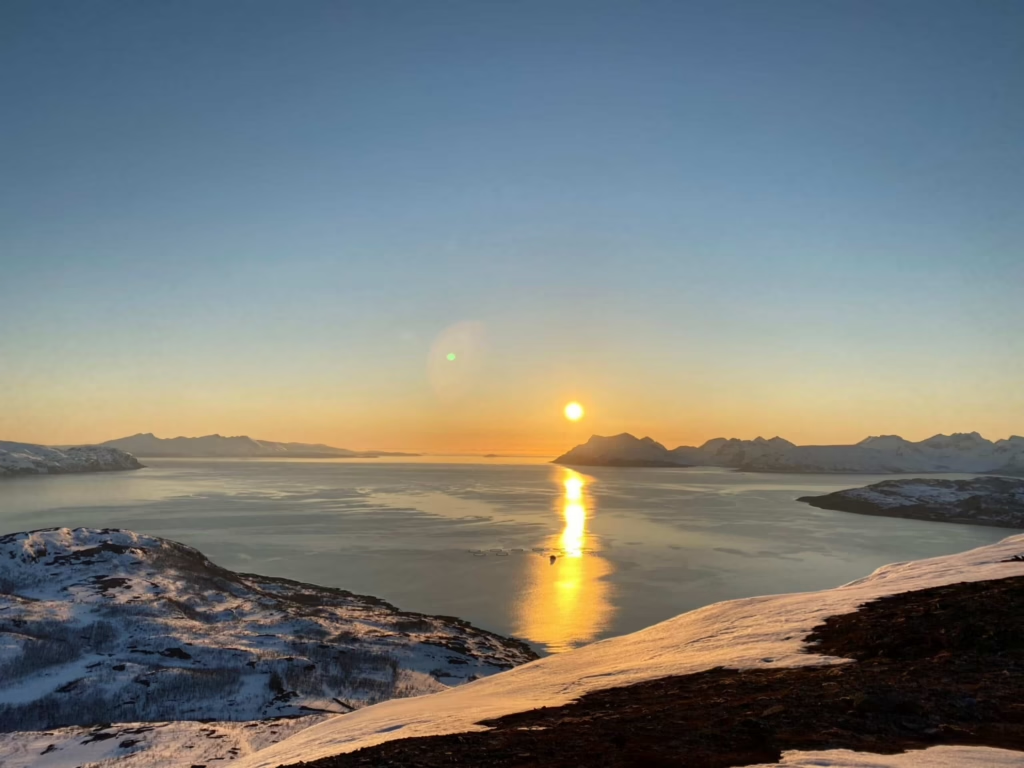
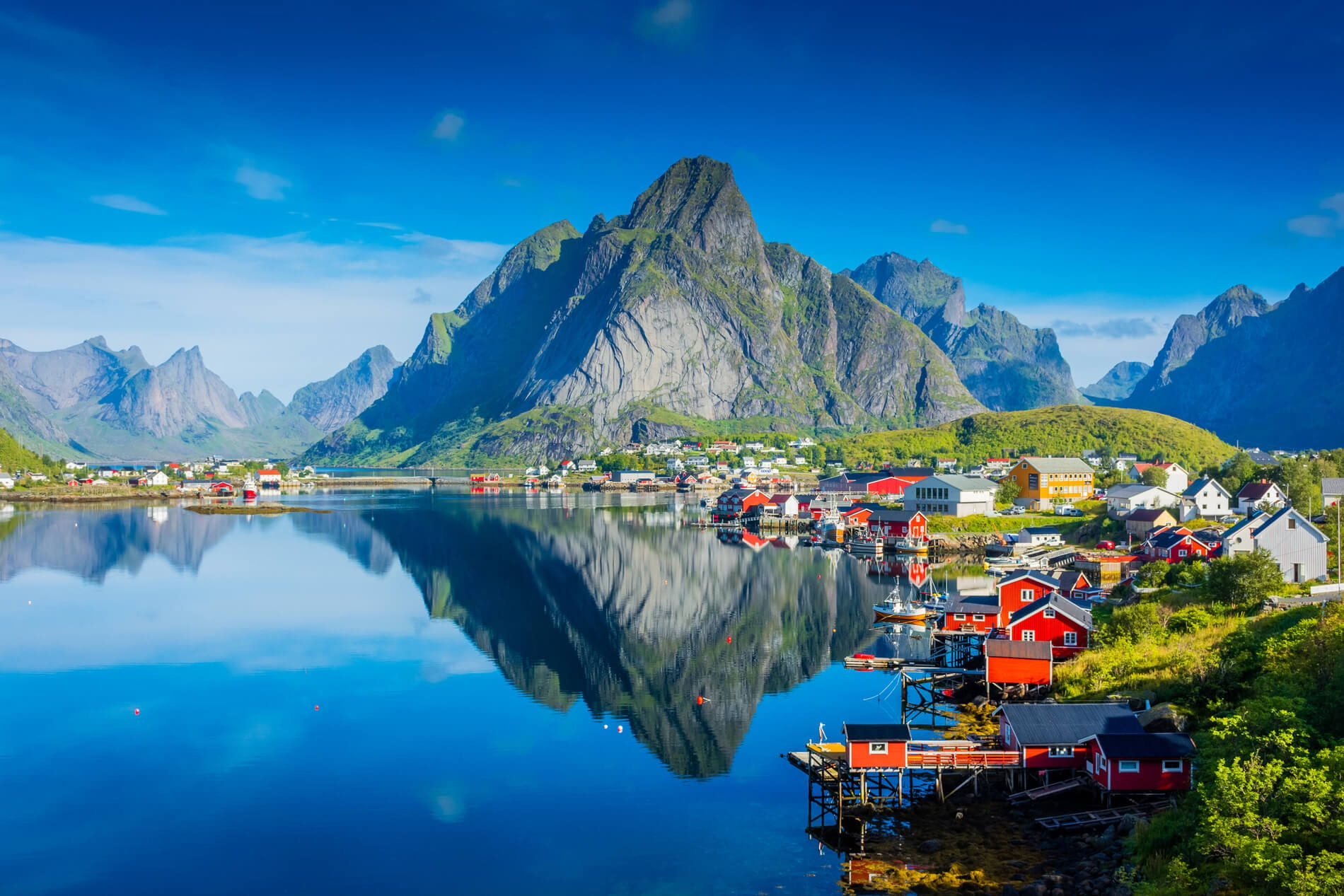
Few countries match Norway’s sheer natural drama, where vast fjords cut through towering mountains and frozen tundra stretches towards the horizon. Explore the colourful streets of Bergen before cruising into the fjords, stopping to fly-fish in secluded waters and hike across the Lofoten Islands. Further north, remote Svalbard offers a true taste of the Arctic: snowmobiling through snow-covered valleys, kayaking between glaciers, hiking across vast boreal wilderness and searching for polar bears and walrus. Come summer, the midnight sun bathes the landscape in golden light, casting long shadows across jagged peaks and glassy fjords as you wind along the coast, stopping at sleepy fishing villages and secluded islands along the way.
Start planning your tailor-made holiday to Norway or speak to a specialist 0203 930 3998
Specialist Tip
Experience Norway’s fjords from both sea and shore. A scenic cruise gives a sense of scale below towering cliffs, while driving mountain roads or taking fjord hikes provides stunning vantage points from above.
Where we’ve been
Map Filters
Explore the region
Journeys we love
Each of our journeys starts from a conversation. Every detail, from the route to the hotels, is built and rebuilt around you until it fits. To provide you a taste of what True Travel can create, our team of global destination specialists have created a selection of suggested journeys, from our recent travels. Get in touch to start planning your next adventure.
EXPLORE NORWAY
Our Favourite Places
Norwegian Fjords
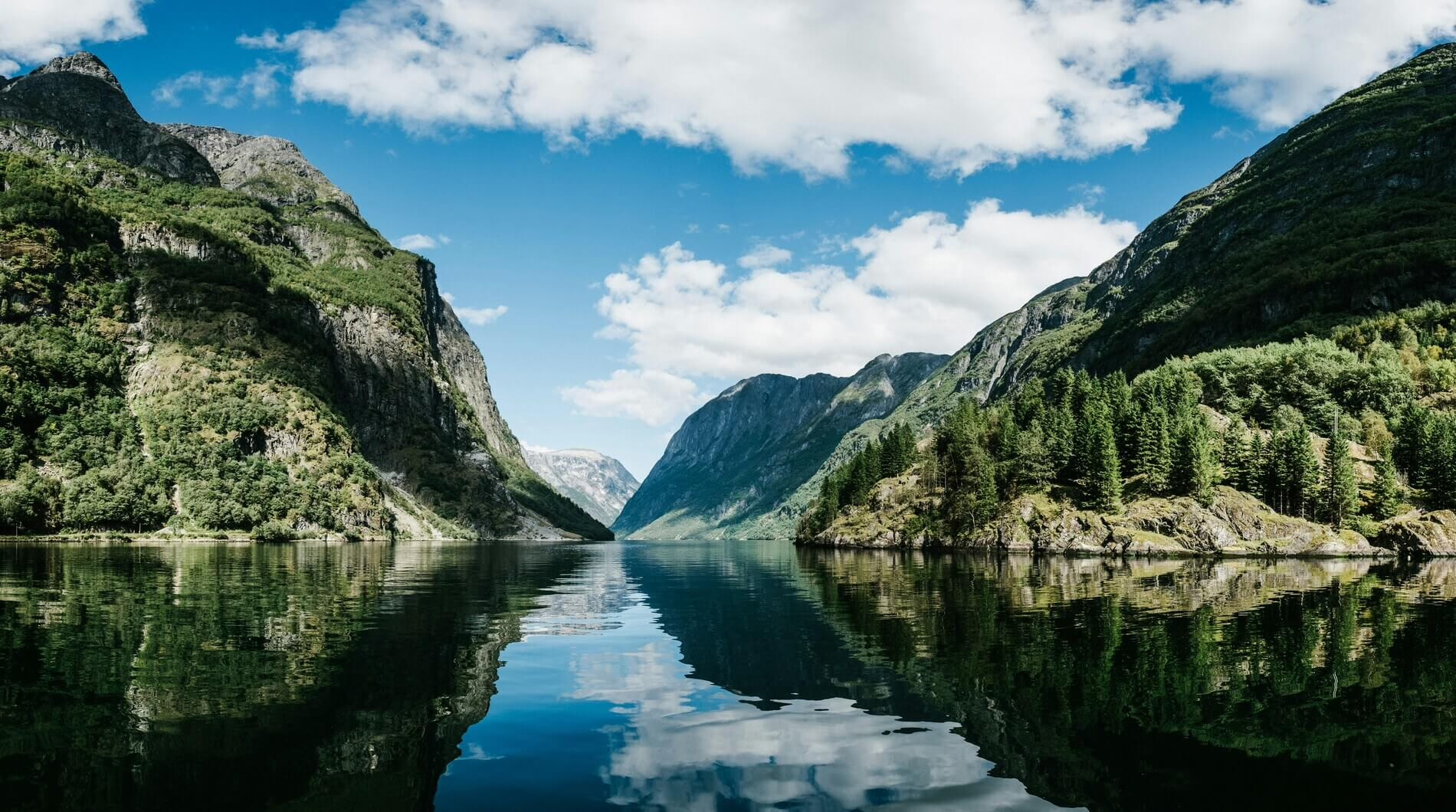
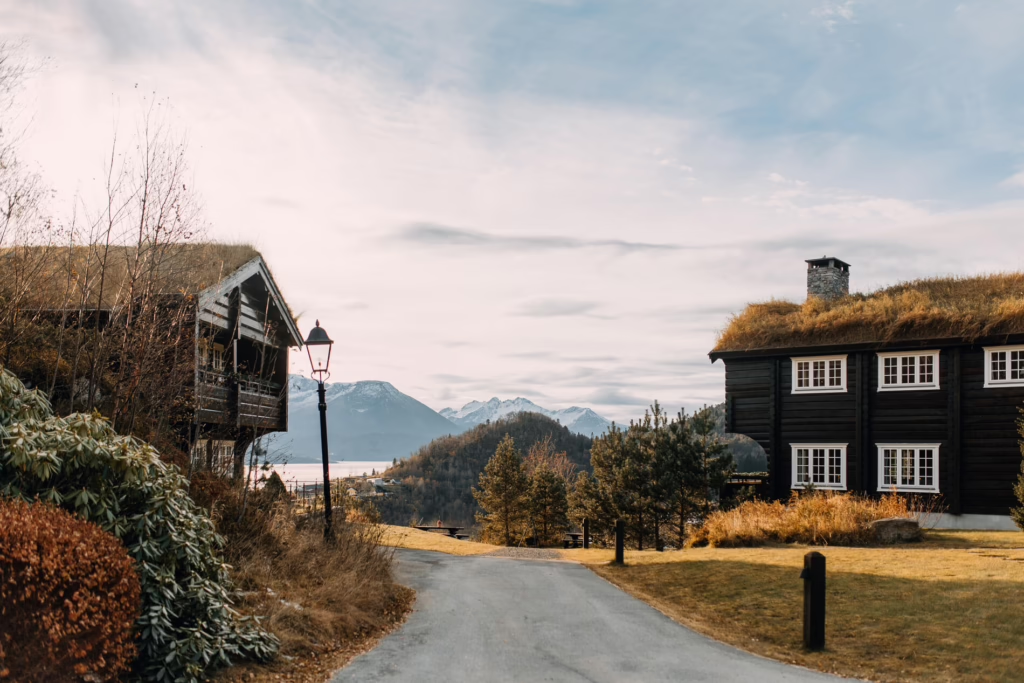
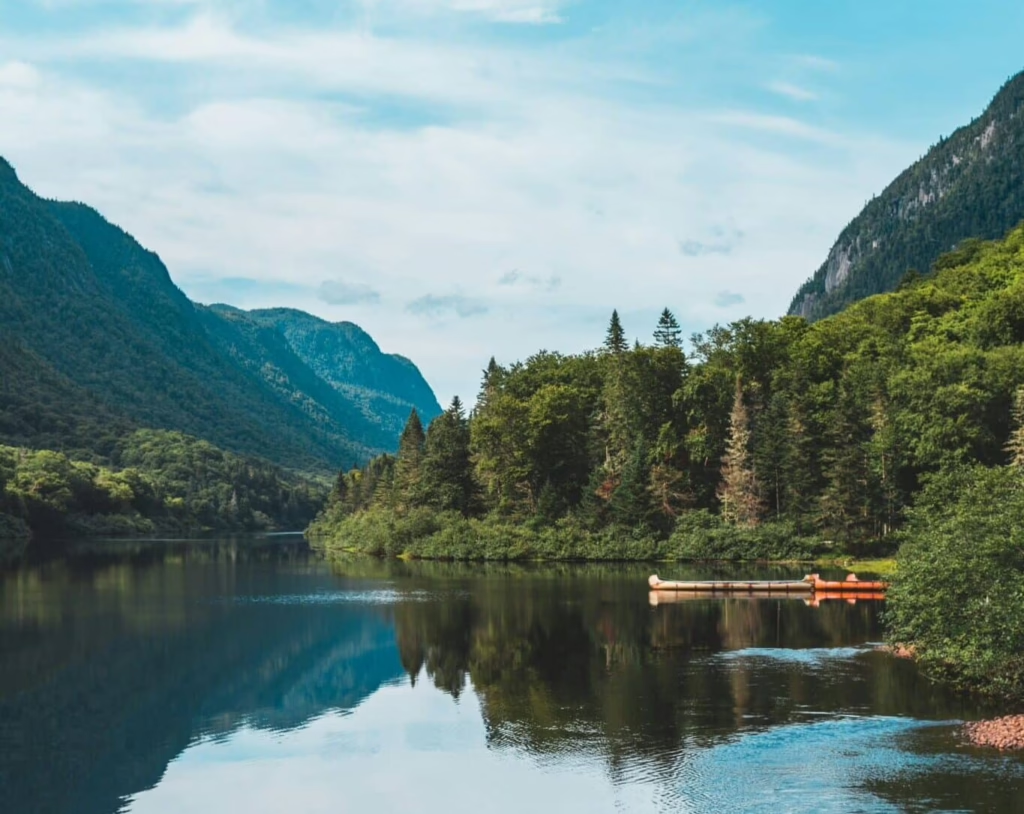
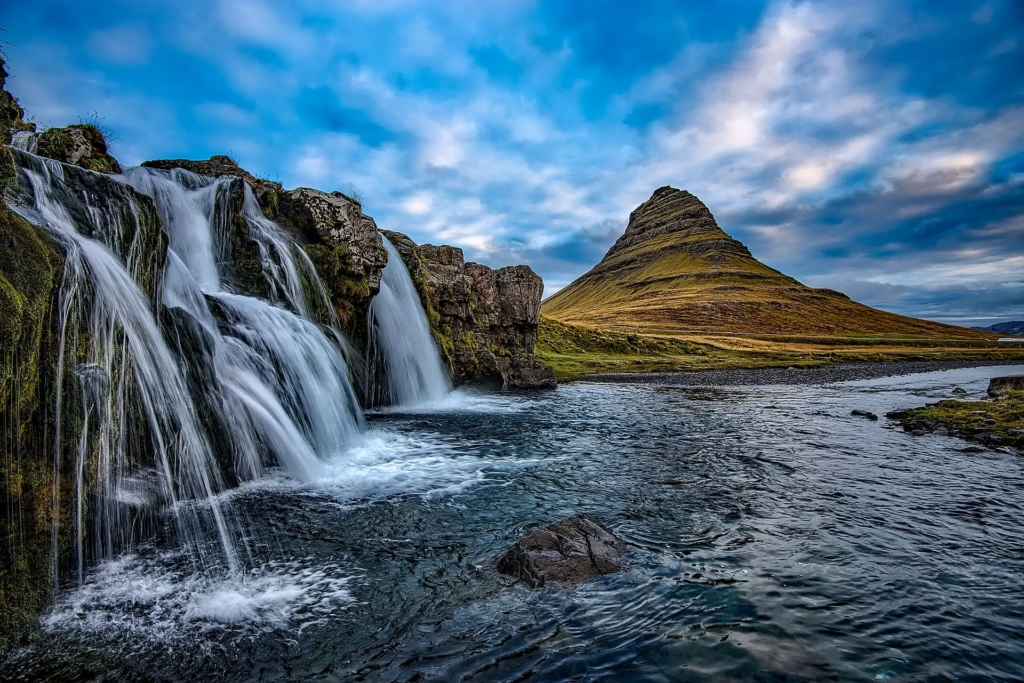
Norway's fjords, carved by glaciers over thousands of years, cut deep into the country's western coastline, with sheer rock walls dropping straight into water that can run over a kilometre deep. The Geirangerfjord and Naeroyfjord, both UNESCO World Heritage Sites, are among the most dramatic, best seen by boat with waterfalls cascading directly into the water. Small towns and farms cling to ledges along the fjord walls, a reminder of how people have made this landscape work for centuries.
HOW WE TRAVEL DIFFERENTLY
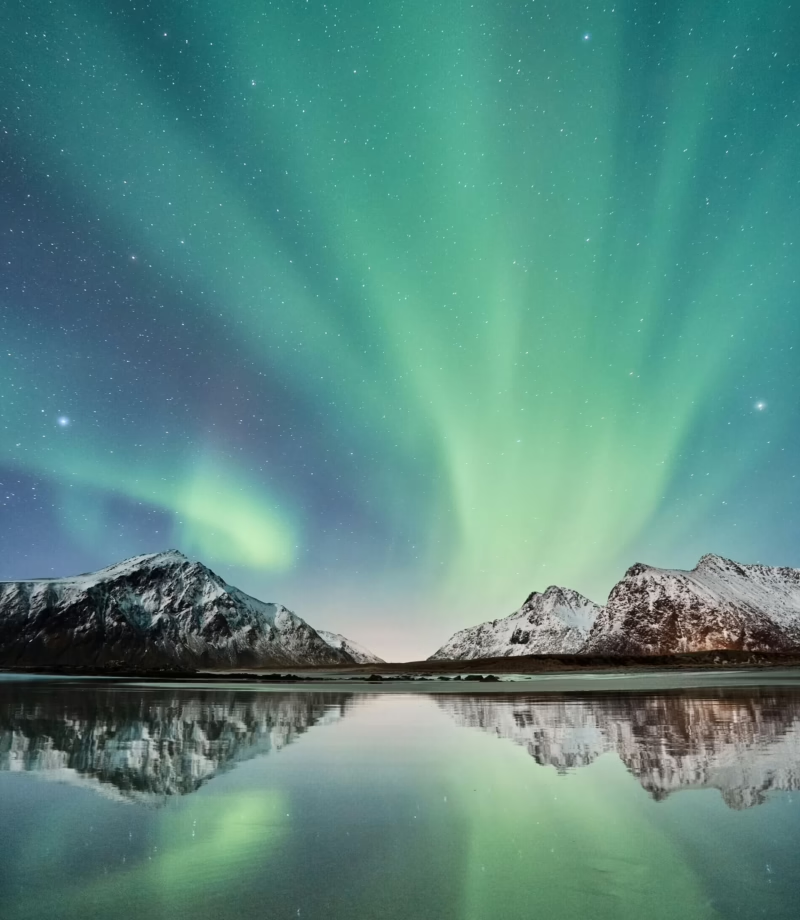
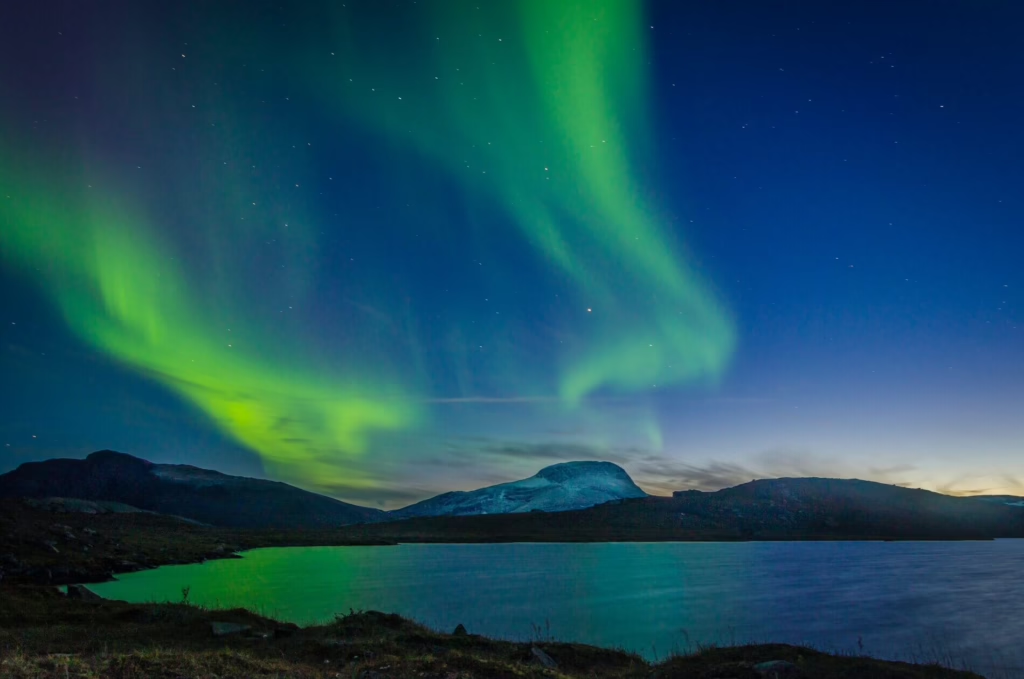
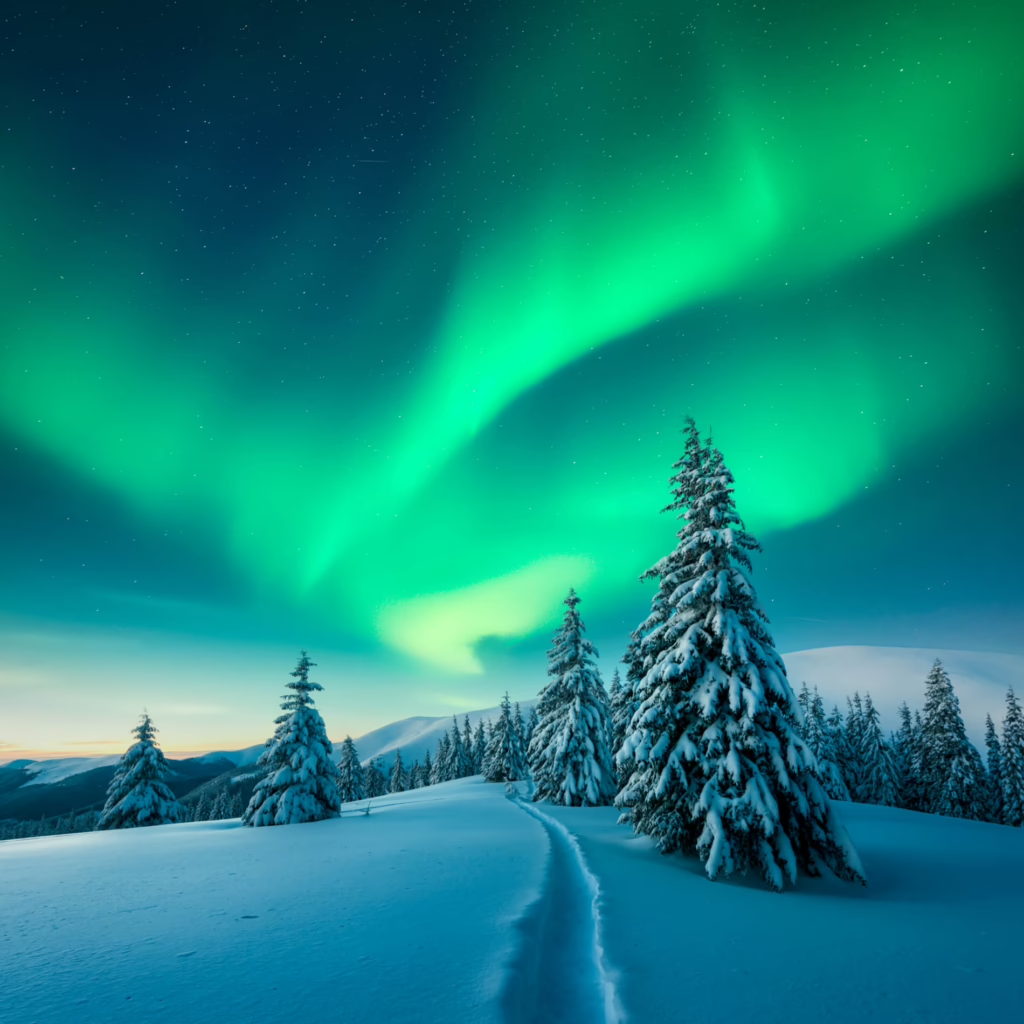
Explore a selection of our hand-picked experiences our Travel Designers can build into your holiday, from fly-fishing in the fjords to a Northern Lights photography workshop.
Norway
Norway
Norway
Norway
Norway
True Travel Journal
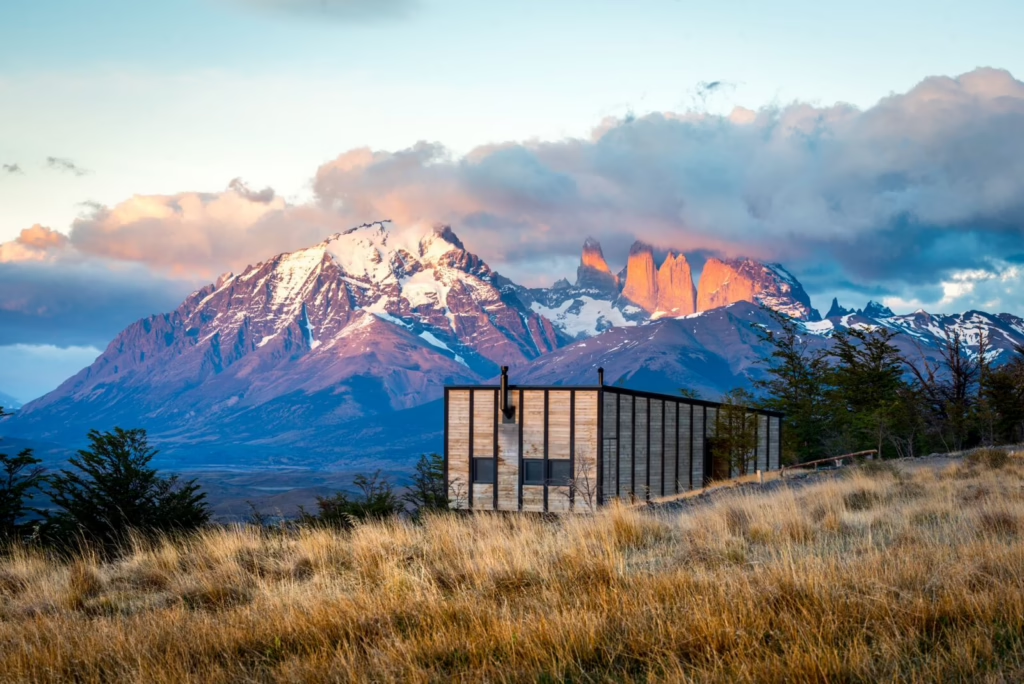
From finding the right guide to unlocking hidden doors along Rome’s cobbled streets, to knowing which room offers a front-row view of Patagonia’s mountains at first light, or where to find Kyoto’s best counter seat, our journals are filled with the kind of insight that comes from years of travelling, planning and exploring.
Explore destination guides, travel news and stories from our specialists’ travels around the world, from new hotels and destinations to the experiences worth seeking out. Discover fresh ideas and insider knowledge to inspire your next trip.
Quick Answers
The Norwegian Krone (NOK) is the currency, and Norway sits outside the Eurozone despite its Nordic neighbours’ varying arrangements. Card payment, including contactless, is so deeply embedded here that carrying cash is genuinely unnecessary for almost any transaction, from a fjord ferry ticket to a mountain hut coffee.
Norwegian is the national language, notably with two official written standards, Bokmål and Nynorsk, reflecting the country’s regional linguistic history, though this distinction rarely affects visitors in practice. English is spoken with near-universal fluency across the country, making language a non-issue throughout most itineraries.
Norway operates on Central European Time (CET, UTC+1) in winter and Central European Summer Time (CEST, UTC+2) in summer, aligning with most of mainland Europe rather than the UK’s clock times. This is worth checking specifically if your itinerary connects through the UK, since the two don’t always match.
Yes, tap water throughout Norway is safe to drink and drawn largely from clean mountain and glacial sources, giving it a reputation as some of the best-tasting water in Europe. This holds true from Oslo to the smallest fjord village, so bottled water is a matter of preference rather than necessity.
Cards are accepted virtually everywhere in Norway, including on mountain hiking trail cafés and small fjord ferries, and cash has become genuinely rare in day-to-day use. This is one of the more thoroughly cashless societies you’re likely to visit on any itinerary.
No, tipping isn’t part of Norwegian service culture, with fair wages already factored into standard pricing across restaurants and tours. Rounding up a restaurant bill for particularly good service is a genuine bonus rather than something anticipated or expected.
Norway uses Type C and Type F sockets, the standard European two-pin design, running at 230V. This is a widely recognised shape covered by virtually any universal travel adapter.
Norway’s high wages and cost of living translate directly into higher prices for dining out, alcohol and everyday incidentals compared with most of Europe, which can genuinely surprise visitors even when accommodation and touring costs are already accounted for in a luxury itinerary. Budgeting more generously for casual meals and drinks outside your main arranged dining avoids an unwelcome surprise partway through the trip.
Wine and spirits are sold exclusively through Vinmonopolet, Norway’s state-run alcohol monopoly stores, since supermarkets are limited to selling beer below a certain strength. Vinmonopolet stores keep more restricted hours than a typical supermarket and close earlier, so planning ahead if you want to bring wine back to a self-catered stay is worth doing rather than assuming you can pick some up on the way.
Norway’s deeply indented fjord coastline means many coastal routes are physically interrupted by water, and short car ferry crossings are simply built into the road network rather than being an optional detour. These crossings run frequently but still add real time to a driving day, so itineraries built around the fjords account for this rather than treating road distance alone as the measure of a day’s journey.
Yes, Norway’s mountainous terrain has produced some remarkable engineering, including the Lærdal Tunnel, the world’s longest road tunnel at over 24 kilometres, complete with specially lit rest areas to help drivers stay alert. Long tunnels are a genuinely normal feature of Norwegian driving rather than a rare novelty, and it’s worth expecting several on any longer self-drive route.
Fill out our trip finder form and find inspiration for your perfect holiday
Trip FinderWhy choose True Travel
Every destination, expertly understood
We only recommend what we know
Truly bespoke, never off-the-shelf
Every itinerary is built around your pace and interests
One specialist, start to finish
The same person from first call to flight home
Trusted for over 13 years
B Corp certified, ATOL protected, Award-winning
Map Filters
Explore everywhere we go
Guided Discovery
Select as many as you like. We'll use your choices to surface ideas from across the world.
Ideas selected for you
·